What Does CMS-0057-F Require of Your Legacy Systems?
Hem Kant
·
04 Sep, 2026
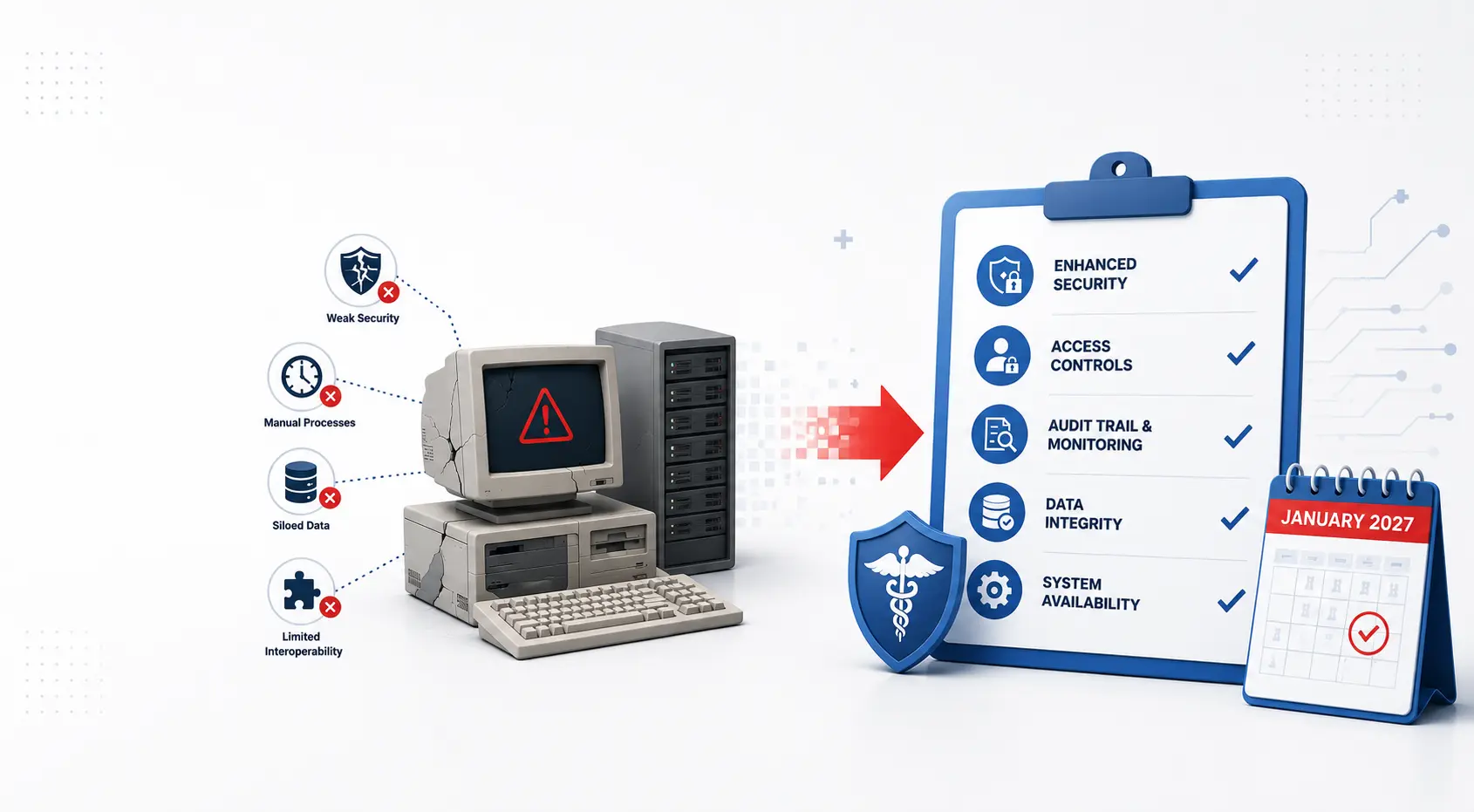
If your team is only tracking the CMS-0057-F deadline everyone talks about, you may already be behind on the one that’s already passed.
The Interoperability and Prior Authorization Final Rule, finalized by CMS (the Centers for Medicare & Medicaid Services) in January 2024, requires Medicare Advantage plans, Medicaid, and CHIP managed care organizations, as well as Qualified Health Plan issuers on the federal exchange, to overhaul their processes for handling prior authorization and patient data access.
The headline requirement, standardized FHIR (Fast Healthcare Interoperability Resources) APIs, will go live on January 1, 2027. But the rule’s operational requirements, the ones with real teeth right now, started a year earlier.
Most coverage of CMS-0057-F treats it as a single “2027 deadline.” That’s only half the rule. CMS split the compliance dates deliberately, operational changes first, technical infrastructure second, so payers weren’t asked to build the APIs and change their processes on the same day.
|
DEADLINE |
WHAT’S REQUIRED |
|
January 1, 2026 |
Decision timeframes take effect: 72 hours for expedited prior authorization requests, 7 calendar days for standard ones. Denials must include a specific reason, not a generic rejection. |
|
March 31, 2026 |
Initial public reporting of prior authorization metrics is due, including request volume, approvals, denials, and average processing times, posted publicly. |
| January 1, 2027 |
Full FHIR API implementation is due: Patient Access, Provider Access, Payer-to-Payer, and Prior Authorization APIs must all be live and operational. |
Treating this as one deadline is how organizations end up scrambling in Q1 2027 to fix operational gaps that were supposed to be resolved a full year earlier.
The API build is the bigger technical lift, but the operational requirements are the ones an auditor or a competitor can check today.
CMS isn’t asking for a single API. It’s four, each built on the FHIR R4 standard maintained by HL7 (Health Level Seven International, the organization behind most U.S. healthcare data standards), each with a distinct job:
1. Patient Access API: gives members access to claims, encounters, clinical data, and now prior authorization status, through third-party apps of their choice.
2. Provider Access API: lets in-network providers with a treatment relationship pull member data for care coordination, individually or in bulk.
3. Payer-to-Payer API: moves patient data between health plans when someone switches coverage, so history doesn’t reset with every plan change.
4. Prior Authorization API: the one with the most immediate operational bite: it must identify what requires authorization, specify documentation needs, and process requests and decisions electronically.
One detail worth being precise about: CMS-0057-F doesn’t retire your existing X12 transactions, the older EDI-based format most claims and eligibility systems already run on.
FHIR APIs are required in addition to them, not instead of them. That reframes the project. This isn’t “replace your claims infrastructure.” It’s “build a standards-based interoperability layer that a legacy claims and eligibility stack was never designed to expose.”
Where Legacy Systems Actually Break Under This Rule?
The technical failure mode here is a familiar one, and we’ve written about the general version of it before: most platform problems trace back to architecture and data debt that predates whatever’s currently forcing the issue.
CMS-0057-F is just a very specific, very deadline-driven version of that pattern. Three places it shows up most often:
A FHIR API can only expose data that’s actually addressable. Systems built on older relational schemas or heavily customized legacy claims platforms often store the right information, just not in a form that a FHIR resource can map to cleanly without a translation layer.
The Prior Authorization API needs to programmatically state what requires authorization and what documentation is needed. If that logic currently lives in policy documents, spreadsheets, or a reviewer’s institutional knowledge, rather than a structured rules engine, there’s nothing for the API to query.
Payer-to-Payer and Provider Access both depend on knowing exactly who’s authorized to see what. Legacy systems built for one internal audience often lack the granular, exportable permission model these APIs assume exists.
None of these is a reason to panic. There are reasons to find out which of the three you’re actually carrying before January 2027 arrives.
That’s a scoping problem, not a coding problem, and it’s exactly what a Modernization Readiness Audit is built to surface: a two-week, fixed-price assessment that maps where your platform’s data, workflow, and identity layers are and aren’t ready for API-based interoperability.
CMS-0057-F isn’t a rule with a purely theoretical penalty. Organizations that aren’t ready by January 2027 face compliance exposure through CMS oversight, but the more immediate cost is operational. Providers and members increasingly expect prior authorization to move at API speed, not fax speed.
A payer or health system still running manual workflows a year after the rest of the industry has automated theirs isn’t just out of compliance, it’s visibly slower than the organizations members and providers are comparing it to.
There’s also a quieter cost specific to the two-deadline structure. Organizations that treated 2026 as a checkbox exercise, meeting the letter of the decision-timeframe and denial-reason requirements without addressing the underlying data and workflow gaps, are discovering in 2026 that the same gaps are now blocking their 2027 API build. The operational fixes and the technical fixes were never actually separate problems. They just had separate deadlines.
If you’re not sure which category your organization falls into, that’s the first thing worth finding out.
We work with healthcare organizations specifically on this kind of interoperability readiness.
Talk with us, and we will walk you through what your healthcare platform really needs.

 AI & Automation, AI & Enterprise Strategy, Compliance & Governance, Thought Leadership
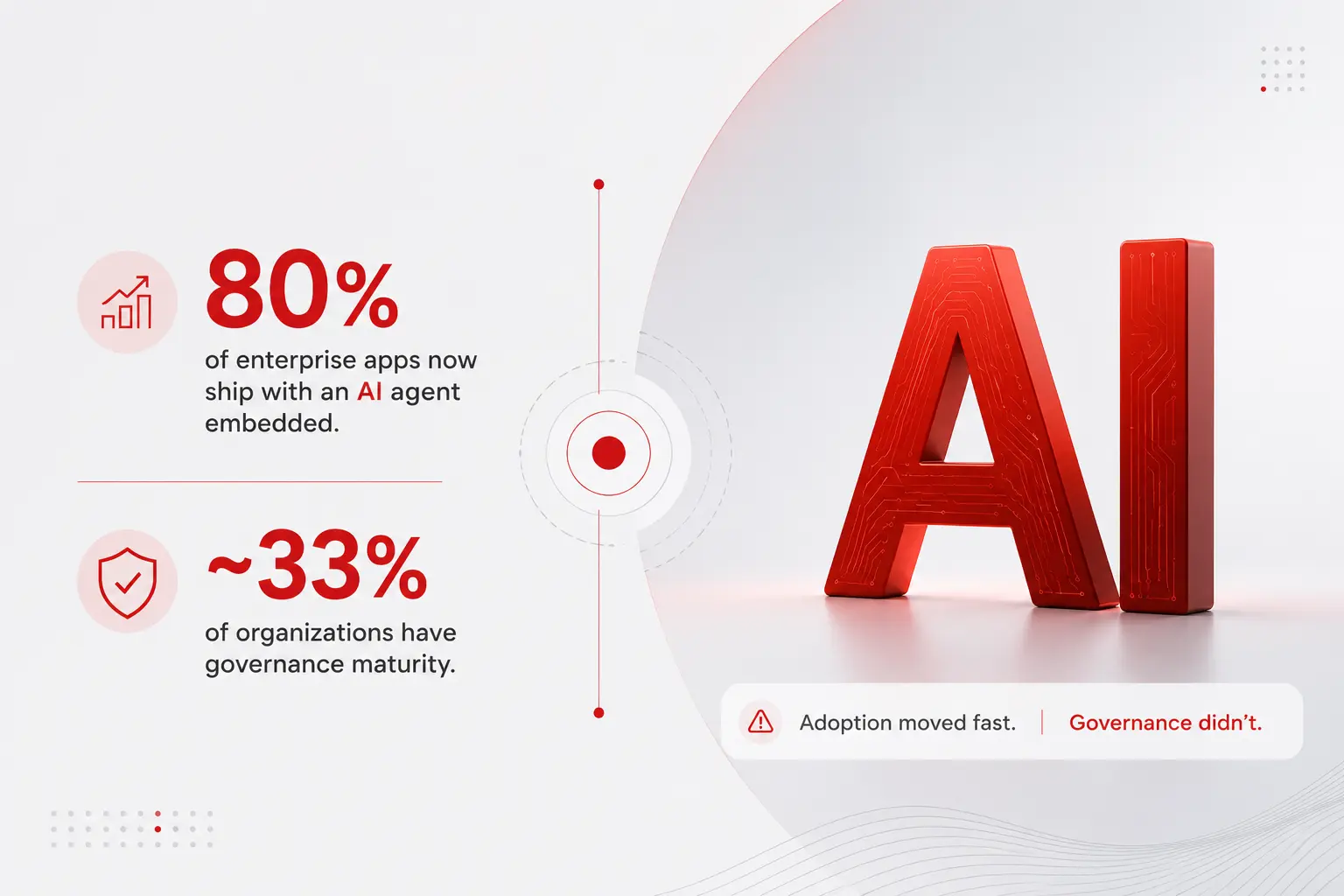
Is agentic AI ready for healthcare and finance is the wrong framing at this point. It is already running in both, at real scale, making decisions that affect real patients and real credit applications. The question worth asking now is narrower and more useful: has the governance around these systems kept pace with how fast […]
 Healthcare Technology, Systems Integration
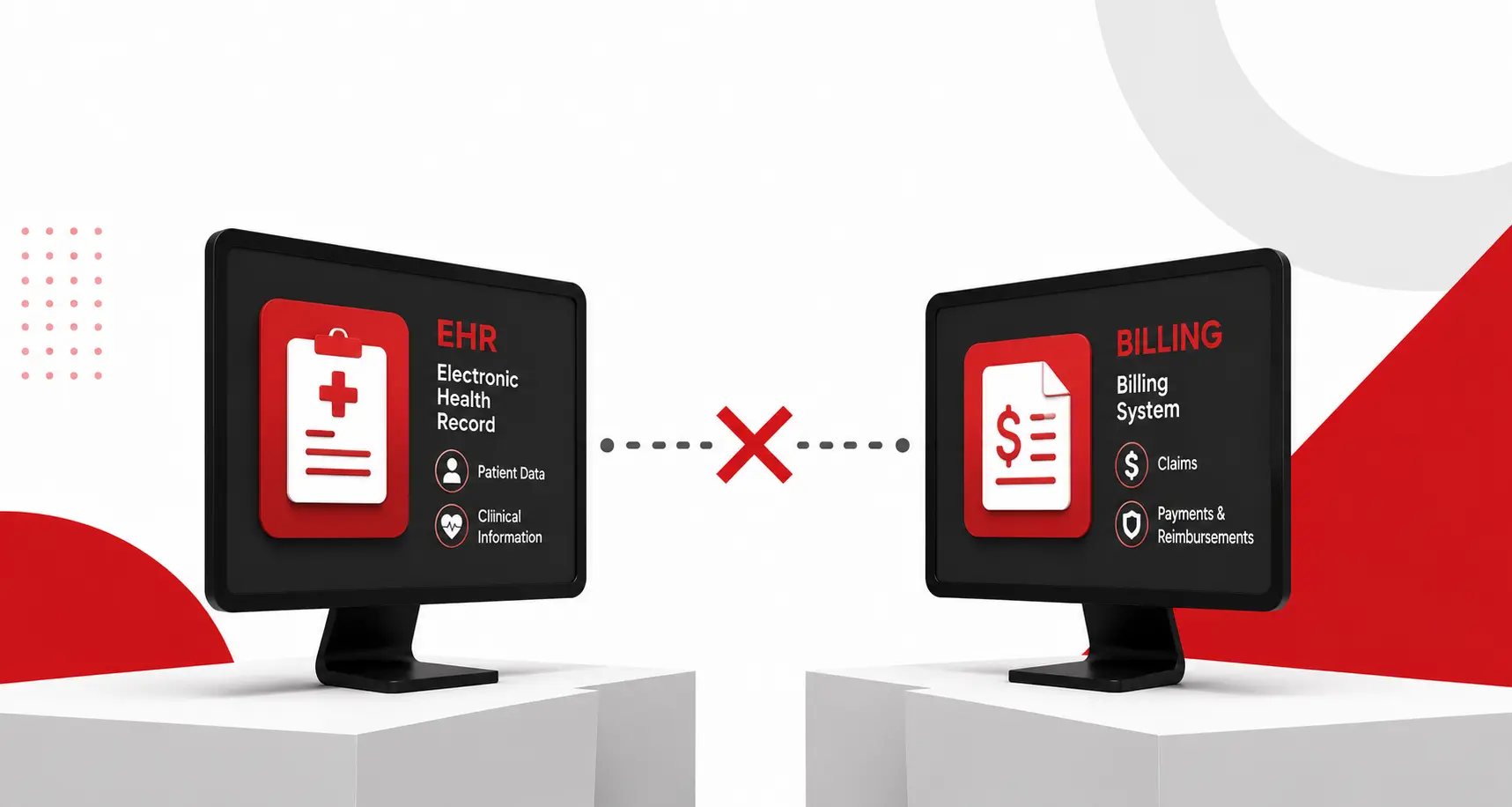
Most explanations for why an EHR and a billing system do not talk to each other assume the problem is a bad integration, a vendor that cut corners, or a connection nobody maintained properly. That framing is usually wrong. The real reason is more fundamental, and once you see it, the recurring billing errors, the […]
 Healthcare Technology
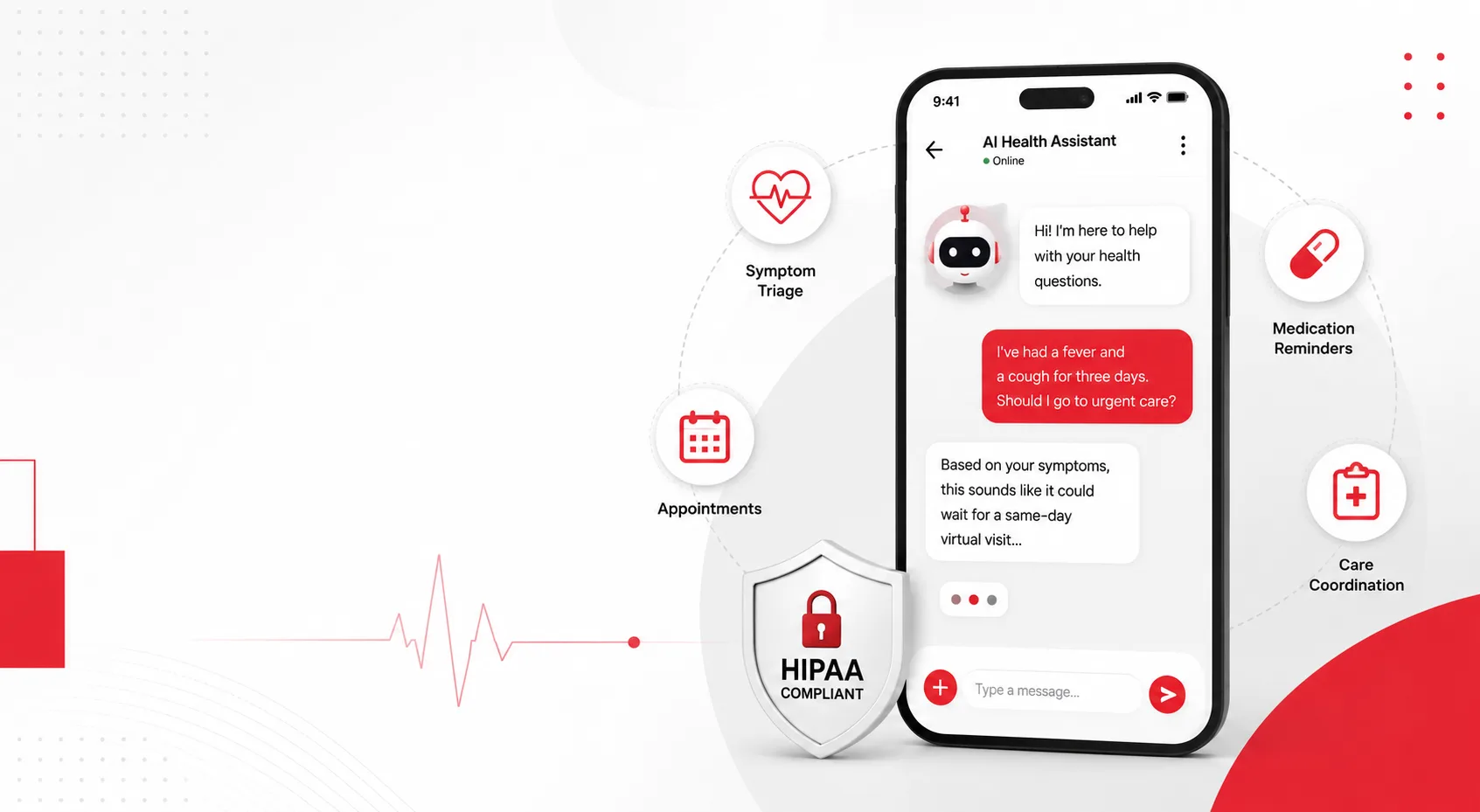
Patient: “I’ve had a fever and a cough for three days. Should I go to urgent care?” Chatbot: “I’m sorry you’re not feeling well. Based on your symptoms and the duration, this sounds like it could wait for a same-day virtual visit rather than urgent care, but if you develop chest pain or trouble breathing, […]