
Platform Modernization & Digital Platform Engineering

Aging platforms slow releases, raise risk, and limit what the business can do next. LN Webworks modernizes the platforms that power your operations — assessing the foundation, sequencing the work safely, and engineering systems your team can trust, govern, and extend.

Request a Modernization Readiness Audit

Service Snapshot Platform Engineering

BEST FOR

Organizations whose platform is becoming harder to change, extend, integrate, or trust.

PRIMARY CTA

Request a Modernization Readiness Audit

ENTRY OFFER

Modernization Readiness Audit

DPF FIT

Stage 1: Stabilize · Stage 3: Operate

MODELS

8–32 weeks depending on scope

12+

Years of delivery

1,000+

Global projects

4.9★

On Clutch

95%

Client retention

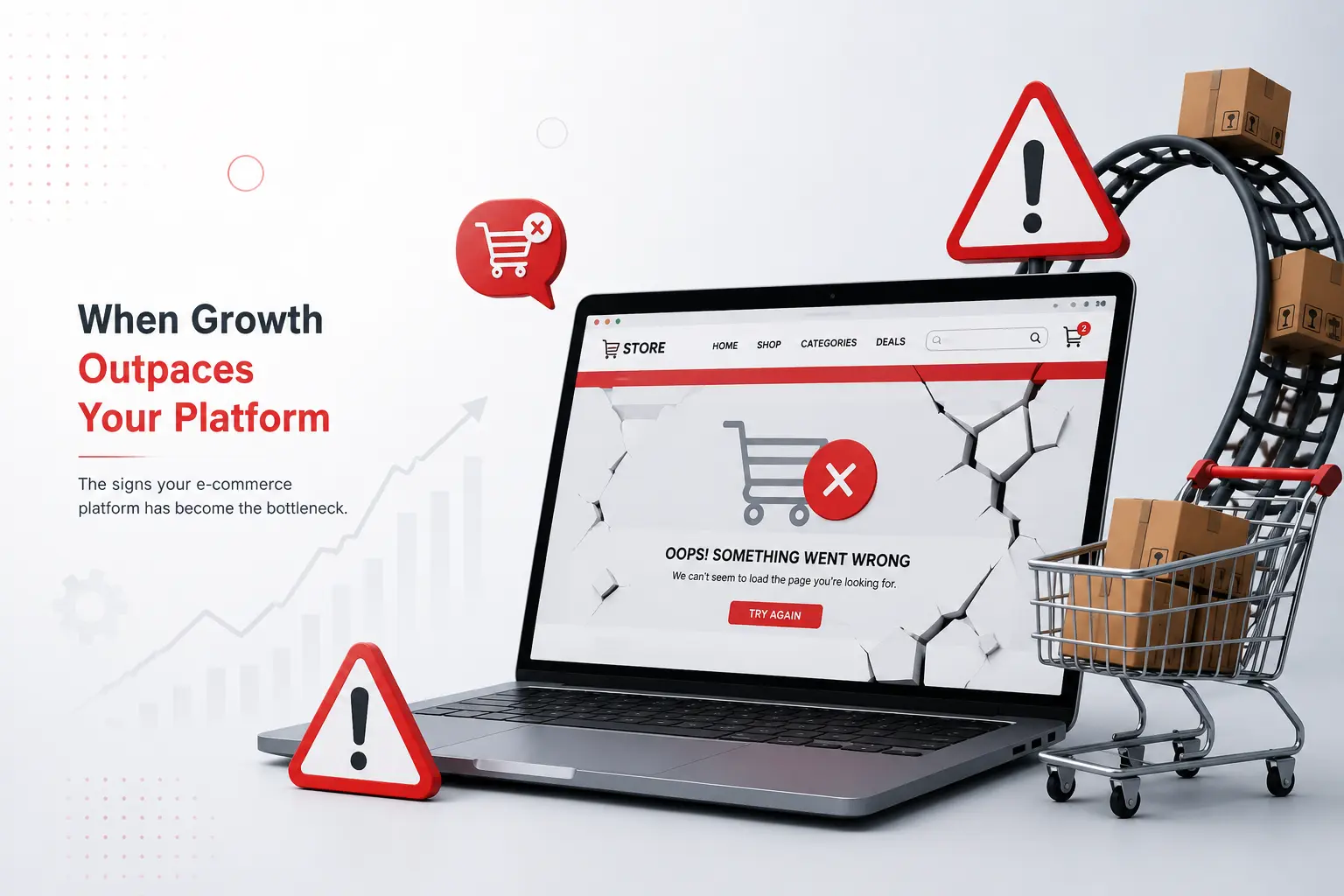
Most Platforms Do Not Fail. They Slowly Become Unmaintainable.

There is a difference between a platform that works and a platform that can be changed safely. Most teams notice the difference too late — after a release breaks production, an upgrade gets deferred for the third quarter, or governance falls apart across departments.

Problem

  • Releases feel riskier each quarter
  • Technical debt is slowing all new development
  • Governance, permissions, and approvals are inconsistent
  • Modernization is being discussed without a clear path
  • Portal, integration, or self-service plans keep stalling
  • Accessibility and compliance pressure are rising

Detail

  • The team avoids changes that should be routine
  • Every new feature takes longer than the last
  • Departments operate by different rules with no central structure
  • Upgrade, migrate, or rebuild — every option feels risky
  • The current architecture cannot support what the business needs
  • The platform is not keeping pace with what is required

Platform Modernization & Digital Platform Engineering by LN Webworks

As your digital engineering partner, LN Webworks modernizes the platforms that power your operations. We assess the foundation, sequence the work safely, and engineer the systems your team can trust, govern, and extend.

What This Service Helps You Improve
  • Platform stability and release confidence.
  • Architecture clarity for the next operating model.
  • Governance, permissions, and content ownership at scale.
  • Integration readiness with the systems your business depends on.
  • Accessibility, performance, and compliance posture.
  • Maintainability and team independence going forward.
What This Service Is Not
  • A quick CMS upgrade dressed up as modernization.
  • A generic replatform driven by vendor preference.
  • A rebuild-first approach that ignores what can be preserved.
  • A technical engagement without business interpretation.
How LN Webworks’ Engineering Approach Differs

Most agencies start with a proposal. We start with a diagnostic. We assess what is stable, what is fragile, what is at risk, and what the optimal sequence of change is — before any build commitment is made. The recommendation that follows is grounded in what we actually found, not in what we were hoping to sell.

Built for Organizations Carrying the Weight of a Platform That Has Outgrown Its Foundation

Commerce platform engineering is not for every business at every stage. It is the right investment when the buying experience, integration architecture, or revenue infrastructure is a strategic constraint.

SMB SaaS & Platform Companies

SMB SaaS & Platform Companies

Technical debt is consuming engineering capacity. The platform foundation needs to support the integration, lifecycle, and AI work already on the roadmap — without a reckless rebuild.

SMB Higher Education Institutions

SMB Higher Education Institutions

Aging CMS environments, distributed publishing, and rising accessibility pressure mean modernization has to come before multisite expansion, portal builds, or governance restructuring.

SMB Healthcare & Digital Health

SMB Healthcare & Digital Health

Patient, provider, and staff platforms need stronger security, identity boundaries, and operational continuity. Modernization must preserve access continuity and operational safety before larger changes begin.

Where This Service Sits in Your Progression

Stage 1: Stabilize

When modernization is on the table but the path is not yet clear

We assess what is actually fragile, what can be preserved, and what the safest sequence of change looks like before any build commitment is made.

Recommended Entry Point
Modernization Readiness Audit
Stage 3: Operate

When the platform exists but governance and operational structure need to mature

We design the operating model the platform should support — permissions, ownership, approval workflows, and the architecture for portal and self-service expansion.

Recommended Entry Point
Platform Architecture Audit

What Changes After This Work

  • 1

    Releases feel safer and more predictable.

  • 2

    Architecture supports the integration, automation, and self-service plans on the roadmap.

  • 3

    Governance, ownership, and permissions are documented and enforceable.

  • 4

    Modernization decisions are based on what was actually found, not assumptions.

  • 5

    Accessibility and compliance exposure is mapped and addressed.

  • 6

    Engineering capacity returns to building instead of maintaining workarounds.

How We Sequence the Work

Where Most Modernization Engagements Start

Modernization Readiness Audit

Recommended First Step

Best when modernization is on the table but no one has clear visibility into what is actually fragile and what the right sequence looks like. Produces a findings summary, risk register, and sequenced improvement plan.


2 weeks · Findings, risk register, and recommended sequencing.

Platform Architecture Audit

When Architecture Is the Question

Best when the question is whether the current architecture can support governance, portals, integrations, or the next operating model. Clarifies what the platform supports today and what structural changes unlock the next stage.


2–3 weeks · Architecture map, integration review, dependency summary.

Phased Replatforming Plan

When Modernization Is Likely

Best when a migration, upgrade, or replatform is being seriously considered and stakeholders need clarity on timing, dependencies, and risk before commitment. Turns risky all-at-once rebuild thinking into a safer modernization sequence.


3–4 weeks · Replatforming sequence, capability requirements, implementation roadmap.

Modernization Work That Led to Confident Next Moves

Engagement What Was Found What Happened Next
Healthcare modernization Platform fragility and governance gaps identified before a patient portal rebuild decision was made Rebuild scope reduced and sequenced more safely based on findings
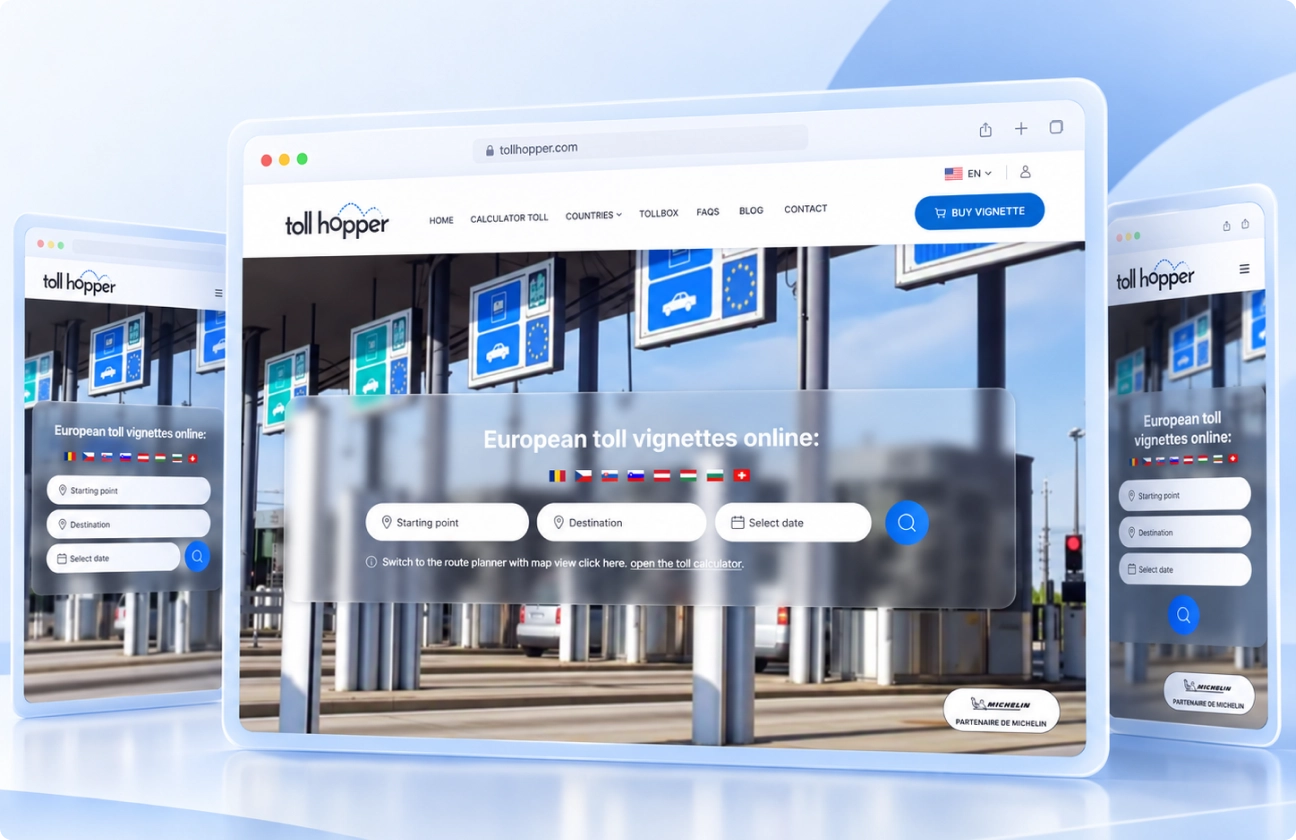
Telecom platform (Nu Mobile) Fragmented ecommerce environment with manual data-entry burden and integration debt Modernized platform · 50% faster product launch · 99.9% uptime
Multilingual platform (ACG World) Multilingual platform with performance, search visibility, and lead-handling integration gaps Platform modernized · improved performance and search visibility
SaaS replatforming Integration dependencies mapped before migration began — would have broken during a standard approach Migration sequenced with continuity protected, no production incidents

You Are Likely in the Right Place If

If two or more of these describe your situation, a Modernization Readiness Audit is likely the right first step. It gives your team a clear view of platform risk, the right modernization path, and what should be addressed first — before any commitment is made.

We do not start with a broad service menu or a premature rebuild recommendation. We start by clarifying where the platform is fragile and what the safest next step is.

Request a Readiness Audit

The platform becomes increasingly difficult to change each quarter.
Technical debt is slowing product, marketing, IT, or operations teams.
Leadership is discussing modernization, but the safest path is unclear.
Governance, permissions, or content ownership are inconsistent.
Portal, integration, or self-service plans keep hitting structural limits.
Accessibility or compliance pressure is rising and the platform is behind.
Integration, automation, or AI ideas keep emerging, but the platform may not be ready.


Frequently Asked Questions

1. Should we upgrade, migrate, or rebuild?

That decision should not be made before a diagnostic. The right answer depends on what is actually fragile, what your team can maintain, and what your integration roadmap requires. A Modernization Readiness Audit gives you the picture before you commit.

A CMS upgrade moves you from one version of a platform to a newer one. Modernization is broader — it addresses the architecture, integration layer, governance, and operational model. Sometimes modernization includes a CMS upgrade. Sometimes it requires a deeper rebuild. The audit tells us which.

Yes. We conduct WCAG-aligned accessibility audits and produce remediation plans prioritized by impact and effort. Accessibility is treated as engineering work, not a checklist exercise.

Start with a Modernization Readiness Audit. It is a low-risk diagnostic that gives your team a clear view of platform risk, the right modernization path, and what should be addressed first — before any build commitment is made.

Modernize With Evidence, Not Assumptions

A Modernization Readiness Audit gives leadership a clear view of platform risk, options, and the safest sequence — before any rebuild commitment.

Privacy Overview

This website uses cookies so that we can provide you with the best user experience possible. Cookie information is stored in your browser and performs functions such as recognising you when you return to our website and helping our team to understand which sections of the website you find most interesting and useful.