
Monitoring and Incident Response
- Real-time alerting and monitoring coverage.
- Incident triage, resolution, and documentation.
- Regression-tested fixes with change history.
- Scheduled job and automation health checks.
Years of delivery
Global projects
On Clutch
Client retention
Managed Support, Optimization, and Continuous Improvement is a structured ongoing engagement, not a ticket queue. LN Webworks takes accountable ownership of your platform's health: monitoring what is live, resolving what breaks, maintaining what keeps the platform current, and improving what can perform better.
Most agencies start with a proposal. We start with a diagnostic. We assess what is stable, what is fragile, what is at risk, and what the optimal sequence of change is — before any build commitment is made. The recommendation that follows is grounded in what we actually found, not in what we were hoping to sell.
Post-launch stability and dependency maintenance are falling informally to product engineers. The roadmap is stalling because triage keeps winning.
Patient portals and care tools need consistent uptime and security compliance — but your current support model is reactive, undocumented, and one audit away from a problem.
LMS platforms and student portals degrade between cycles. Enrollment surges expose instability. Integrations fail without warning. You need someone who owns the platform — not just responds to escalations.
LN Webworks uses the Digital Progression Framework to place every engagement at the right stage. Support is not a one-size-fits-all engagement — the model depends on where your platform is today.
Systems are live, but monitoring, maintenance, and ownership are informal. Managed support at this stage moves the organization from reactive triage to proactive, structured platform stewardship.
Lifecycle automations and integrations are in place — but no one is maintaining them as systems evolve. Managed support at this stage ensures automation investments keep delivering the outcomes they were built for.
Lower platform risk. Issues caught before users report them. Dependencies current. Security posture maintained.
Reliable operational continuity. Workflows and integrations keep running, even when upstream systems change around them.
Recaptured engineering capacity. Product teams stop absorbing support work and return to roadmap execution.
Sustained automation performance. Lifecycle triggers and integrations keep performing and improving over time.
Visible platform health. Leadership gets an accurate platform status, not just incident reports when things break.
Documented institutional knowledge. Platform decisions and change history are captured when contributors move on.
Most organizations should not begin with a full support engagement. Start with a focused diagnostic that tells you exactly what your platform needs — and whether managed support, modernization, or a targeted sprint is the right path.
Best when the platform is live but showing signs of drift or user-reported failure. Maps how work moves through your platform — and identifies where workflows break, where automation fails silently, and which priorities need immediate attention.
You receive: Current degradation points · Integration and workflow priorities · Stabilization roadmap · A clear recommendation: support, optimization, modernization, or a combination.
Best when the platform needs to support more users, integrations, or governed growth. Evaluates whether your architecture, documentation, and dependency structure can support safe ongoing change, and what a managed support model needs to look like to protect it.
You receive: Platform readiness assessment · Integration architecture review · Risk and dependency summary · Phased implementation path.
Best when you are unsure whether support or modernization is the right investment. When a platform has drifted significantly, this audit helps leadership decide with evidence, not assumptions.
You receive: Platform condition assessment · What to stabilize vs replace · A clear recommendation between support, modernization, or a phased hybrid.
LN Webworks has delivered ongoing support, optimization, and continuous improvement across healthcare, education, ecommerce, and platform environments. The common thread: not just keeping the platform running, but keeping it earning the trust of the people who depend on it.
| Client | What Structured Support Delivered |
|---|---|
| RheumNow — Healthcare Education | Ongoing support for CME tracking and learner dashboard functionality. Certification workflows remained accurate and stable as the platform grew. |
| My Telehealth — Healthcare Education | Post-launch support and continuous improvement through active operational cycles. Usability, content structure, and patient access were maintained throughout. |
| RESPeRATE — Health Product Platform | Automated post-purchase messaging was maintained and optimized so users continued receiving accurate health information without interruption as the user base scaled. |
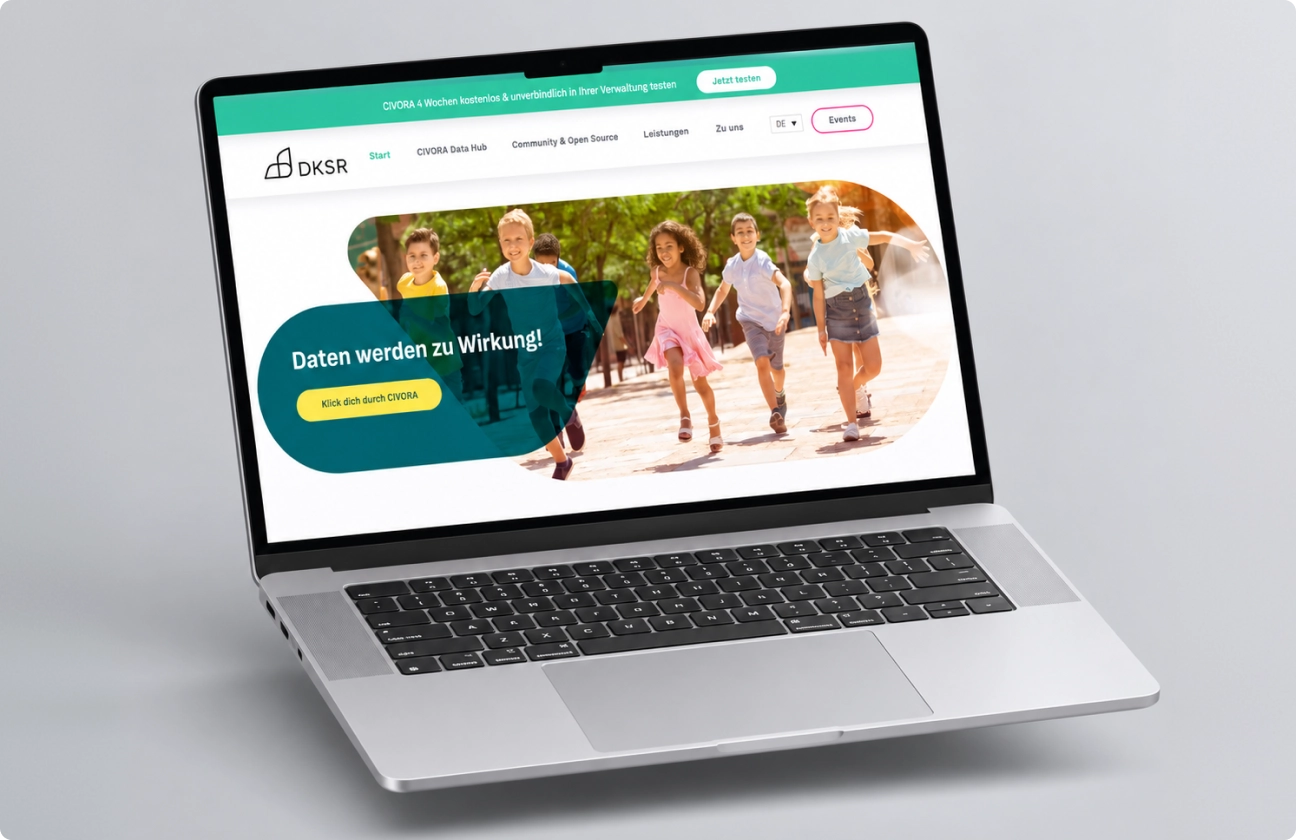
| PotatoPro — Global Industry Platformg | Sustained support for a global platform requiring consistent uptime, content operations, and integration health across a large international user base |
If your platform is harder to maintain than it should be — or quietly drifting from how it was built to work — the first step is understanding exactly where the problem lives. That is what a Product Workflow Audit gives you. Focused. Diagnostic. Clear before anything ongoing begins.
Managed platform support is a structured ongoing engagement where a digital engineering partner takes accountable ownership of a live platform’s health, monitoring performance, resolving incidents, maintaining security currency, and improving the platform continuously over time. It is proactive by design, not reactive by default.
A CMS upgrade moves you from one version of a platform to a newer one. Modernization is broader — it addresses the architecture, integration layer, governance, and operational model. Sometimes modernization includes a CMS upgrade. Sometimes it requires a deeper rebuild. The audit tells us which.
A focused stabilization engagement typically takes 8–12 weeks. A phased replatforming usually ranges from 16–32 weeks depending on integration complexity. Every audit produces a phased plan with sequencing before development begins.
If the platform is fundamentally sound but lacks consistent ownership and maintenance, support is the right investment. If the platform has accumulated significant technical debt or recurring architectural failures, a Modernization Readiness Audit will help you choose the right path. We will give you an honest answer before recommending either.
LN Webworks supports Drupal, WordPress, Laravel, React, and custom API-first architectures, including LMS environments, patient-facing healthcare platforms, SaaS product platforms, and integration layers connecting CRM, ERP, EHR, billing, and identity systems. Fit is confirmed during the diagnostic entry engagement.
Start with a Product Workflow Audit. It gives your team a clear view of where the platform is degrading, which integrations need immediate attention, and whether the right next step is managed support, targeted optimization, a modernization assessment, or a combination — before any ongoing commitment is scoped.
A Product Workflow Audit tells you what to fix, in what order, and why — before any ongoing engagement begins.