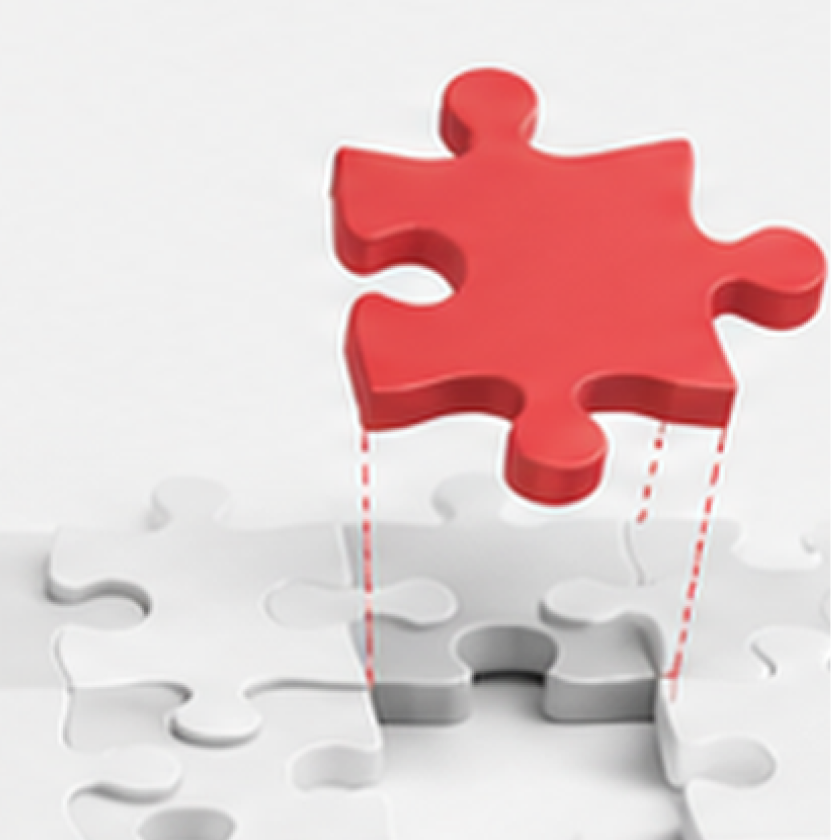
Your product is working. Your operations are falling behind.
Growth creates hidden operational friction. Customer onboarding, billing changes, integrations, and feature delivery become increasingly difficult as technical debt and platform complexity accumulate.
Common signals
- Customer onboarding depends on manual processes.
- API integrations are slowing product delivery.
- Technical debt is reducing release velocity.
- Platform changes require excessive testing and coordination.
{
"@context": "https://schema.org",
"@graph": [
{
"@type": "WebPage",
"@id": "https://www.lnwebworks.com/digital-progression-framework/legacy-modernization#webpage",
"url": "https://www.lnwebworks.com/digital-progression-framework/legacy-modernization",
"name": "Legacy Modernization",
"description": "Modernize legacy platforms with confidence, not disruption. We identify fragile systems, stabilize critical risk, and build a modernization roadmap that protects business continuity while preparing the platform for scalability, integration, and AI readiness.",
"isPartOf": {
"@id": "https://www.lnwebworks.com/#website"
},
"about": {
"@id": "https://www.lnwebworks.com/#organization"
},
"mainEntity": {
"@type": "ItemList",
"name": "Legacy Modernization Engagements",
"itemListElement": [
{
"@type": "ListItem",
"position": 1,
"item": {
"@type": "Service",
"name": "Modernization Readiness Audit",
"description": "Identify platform vulnerabilities, quantify technical debt, map system dependencies, and create a structured modernization roadmap.",
"provider": { "@id": "https://www.lnwebworks.com/#organization" }
}
},
{
"@type": "ListItem",
"position": 2,
"item": {
"@type": "Service",
"name": "Phased Replatforming Plan",
"description": "A structured migration strategy that minimizes operational disruption and protects business continuity during platform transitions.",
"provider": { "@id": "https://www.lnwebworks.com/#organization" }
}
},
{
"@type": "ListItem",
"position": 3,
"item": {
"@type": "Service",
"name": "Integration Architecture Roadmap",
"description": "Build the integration foundation required for scalable operations, automation, and future AI initiatives.",
"provider": { "@id": "https://www.lnwebworks.com/#organization" }
}
}
]
}
},
{
"@type": "BreadcrumbList",
"@id": "https://www.lnwebworks.com/digital-progression-framework/legacy-modernization#breadcrumb",
"itemListElement": [
{ "@type": "ListItem", "position": 1, "name": "Home", "item": "https://www.lnwebworks.com/" },
{ "@type": "ListItem", "position": 2, "name": "Digital Progression Framework", "item": "https://www.lnwebworks.com/digital-progression-framework" },
{ "@type": "ListItem", "position": 3, "name": "Legacy Modernization", "item": "https://www.lnwebworks.com/digital-progression-framework/legacy-modernization" }
]
},
{
"@type": "FAQPage",
"@id": "https://www.lnwebworks.com/digital-progression-framework/legacy-modernization#faq",
"mainEntity": [
{
"@type": "Question",
"name": "How do we know if we are in stage 1?",
"acceptedAnswer": {
"@type": "Answer",
"text": "If platform updates feel increasingly risky, technical debt is slowing delivery, governance issues are growing, or leadership is discussing modernization without a clear roadmap, Stage 1 is likely the right starting point. A Modernization Readiness Audit confirms the risks, dependencies, and priorities."
}
},
{
"@type": "Question",
"name": "Should we rebuild the platform or modernize in phases?",
"acceptedAnswer": {
"@type": "Answer",
"text": "Most organizations should not make that decision before understanding platform dependencies, technical debt, governance gaps, and operational risk. Stage 1 helps determine whether phased modernization, targeted stabilization, or a full replatforming strategy is the safest and most cost-effective path."
}
},
{
"@type": "Question",
"name": "What does a modernization readiness audit actually deliver?",
"acceptedAnswer": {
"@type": "Answer",
"text": "The audit produces a structured modernization roadmap, dependency mapping, technical debt assessment, governance findings, integration risk analysis, and prioritized recommendations. The goal is to give leadership decision confidence before significant investment begins."
}
},
{
"@type": "Question",
"name": "How long does stage 1 typically take?",
"acceptedAnswer": {
"@type": "Answer",
"text": "Most Stage 1 engagements are completed within 2–6 weeks, depending on platform complexity and the number of systems involved. The objective is rapid clarity and actionable priorities, not a lengthy consulting exercise."
}
},
{
"@type": "Question",
"name": "Can we modernize without disrupting business operations?",
"acceptedAnswer": {
"@type": "Answer",
"text": "Yes. Our approach prioritizes business continuity by identifying critical dependencies, sequencing changes carefully, and stabilizing high-risk areas before broader modernization work begins. We avoid unnecessary disruption and rushed migrations."
}
},
{
"@type": "Question",
"name": "Is our platform ready for AI or automation?",
"acceptedAnswer": {
"@type": "Answer",
"text": "AI and automation depend on stable architecture, clean data, reliable integrations, and clear governance. Stage 1 evaluates whether the platform can realistically support AI initiatives or whether foundational modernization is required first."
}
},
{
"@type": "Question",
"name": "What happens after stage 1?",
"acceptedAnswer": {
"@type": "Answer",
"text": "Once the platform foundation is understood and stabilized, organizations typically move into Systems Integration, Digital Operations, Workflow Automation, or AI implementation. The next step depends on the roadmap created during Stage 1."
}
},
{
"@type": "Question",
"name": "Do we need to replace our entire CMS or application stack?",
"acceptedAnswer": {
"@type": "Answer",
"text": "Not necessarily. Many organizations can extend the life of their existing platform through targeted modernization, governance improvements, performance optimization, and integration restructuring. We recommend replacement only when the platform can no longer support business requirements safely or economically."
}
}
]
}
]
}