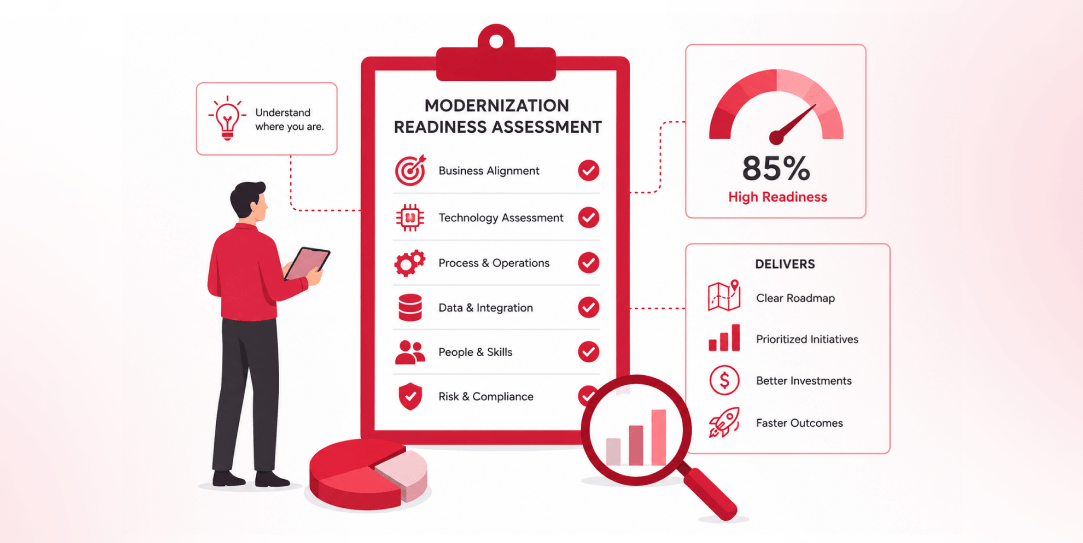
What a Modernization Readiness Assessment Actually Delivers?
Hem Kant
·
21 Jul, 2026
Most “audits” and “assessments” promise clarity but deliver a sales deck with language that lacks clarity. You book the call expecting evidence about your specific platform, and what shows up is a generic pitch for whichever package is easiest for the firm to sell.
That’s the actual reason process transparency matters here, not because a checklist is inherently interesting, but because most versions of this exact offer are built to justify a recommendation the vendor already had in mind before they looked at anything.
So here’s what ours actually looks like, in simple terms, not the marketing description, the whole thing: what gets covered, what the two weeks are actually spent doing, and what lands in your inbox at the end of it.
If you’ve read other pieces that we have recently covered, you have probably noticed the same call to action showing up again and again: get a Modernization Readiness Audit.
That repetition is fair to be skeptical of. A CTA repeated across dozens of articles starts to sound like a slogan rather than a real thing you’d actually buy. This is the piece that explains what you’d actually be booking.
Modernization readiness assessment isn’t a term we invented to sound official.
AWS, Microsoft, and most serious application-modernization consultancies run a version of the same idea: evaluate a platform’s technical, business, and operational readiness before committing to a rebuild, replatform, or integration project.
The shape is standard across the industry. What varies is depth, price, and how honestly the findings get reported back to you.
The reason this step gets skipped so often isn’t that teams don’t know it exists.
A proposal based on a 30-minute sales conversation may seem faster and cheaper than a two-week assessment, until the project runs into issues that the conversation never uncovered.
We’ve written about that pattern directly in our piece on evaluating a modernization partner: a partner who skips the diagnostic isn’t saving you time; they are deferring the cost of finding out what’s actually wrong to a point in the project where it’s more expensive to fix.
| Platform Risk Assessment | Performance Baseline |
| What’s fragile, what’s exposed, and what’s closest to failing. | Load times, uptime patterns, and degradation points are documented and verified. |
| Governance & Compliance Review | Dependency & Integration Audit |
| Access, permissions, security, and accessibility gaps, each with a remediation priority. | Every outdated plugin, unsupported version, and integration risk is catalogued by exposure level. |
| Modernization Readiness Score | AI & Automation Readiness Check |
| One score across all five areas above, so you know what’s actually blocking your next move. | Whether your platform can actually support AI or automation work, against real technical criteria, not marketing criteria. |
“Platform risk” and “readiness score” can sound abstract until you see the shape of what actually gets written down. A typical finding in the dependency section doesn’t just say “outdated dependencies exist.”
It names the specific package, the version gap, what breaks if it’s left alone past a certain point, and where it sits relative to everything else we found, so it’s clear whether it’s the thing to fix this quarter or the thing that can wait.
The governance section works the same way: not “access control needs improvement,” but which roles have access they shouldn’t, and what the actual exposure is if that goes unaddressed.
That level of specificity is the entire point of spending two weeks with read-only access instead of a thirty-minute call. A generic recommendation doesn’t require looking at your platform. A specific one does.
This audit is built for a team that already suspects something is wrong but can’t yet point to what, or one that’s about to commit budget to a rebuild, a compliance deadline, or an integration project, and wants real evidence before the scope gets fixed.
It’s also useful groundwork before a partner evaluation.
It’s a weaker fit if you already have a detailed, recent, evidence-based picture of your platform’s condition, in which case, you don’t need a second one; you need someone to act on the first.
It’s also not built for a team that wants a rubber stamp on a decision they’ve already made. The report reflects what the platform actually shows, not what would be convenient to hear, and a team that’s not prepared to act on an inconvenient finding will get less value from this than a team that genuinely doesn’t know yet.
1. Kickoff & Scoping
A 30-minute call to understand your platform environment, your actual concerns, and what a useful outcome looks like for your team.
2. Platform Access & Review
Read-only access to your codebase, infrastructure configuration, and governance setup. No changes made, observation, not intervention.
3. Questions Before We Assume
By this point, we understand your platform, but we don’t take that understanding as final. Before we go deep into analysis, we clarify anything unclear with you directly, the things we’d otherwise be guessing at. It’s a small step, but it’s the difference between a review built on assumptions and one built on what’s actually true for your environment.
4. Analysis & Synthesis: By People, Not Just Prompts
Findings get assessed against risk, urgency, and modernization readiness, with the AI readiness check running in parallel. This isn’t a single automated pass. As our team works through the findings, new questions surface, and when they do, we go back and clarify before anything gets finalized.
That loop of analyze, question, re-analyze continues until we’re confident the findings reflect your actual environment, not just what a system flagged. The AI does the heavy lifting on data; our team decides what it means.
5. Report Delivery
Because the analysis was shaped by real back-and-forth, not a single automated scan, the report, findings, risk ratings, readiness score, and prioritized roadmap reflect your platform, not a template.
6. Debrief Session
A 60-minute live walkthrough. Questions get answered in real time, next steps get confirmed, not left as a follow-up email.
This is a fixed-price, standalone engagement: $299, two weeks, one written report.
There’s no obligation to hire the same team for whatever comes next. The audit produces one clear recommendation, which might be a phased replatforming plan, an integration architecture roadmap, a governance and stabilization sprint, or an AI integration readiness plan, but which one depends entirely on what the audit actually finds, not on which service happens to be easiest for us to sell.
If you do proceed with LN Webworks afterward, the audit fee gets deducted from that engagement.
| 13+ years in digital engineering | 4.9★ rated on Clutch | 95% client retention rate |
Clients who’ve been through engagements with us tend to point to the same two things: a genuinely collaborative process, and a team that follows through when something isn’t right rather than treating a launch as the finish line.
That’s the standard we’re holding this audit to as well, not a sales funnel dressed up as diagnostics.
Clients describe the team as customer-oriented and quick to address issues, with a collaborative approach that’s made LN Webworks a long-term partner rather than a one-off vendor.
The sequencing is deliberate. You get the written report first, then the live session, not the other way around. That means you’re not hearing the findings for the first time out loud, with no chance to think them through before you’re expected to react.
You can read it, flag what’s confusing or contested, and come to the debrief with actual questions instead of processing the findings live in real time. It’s a small structural choice, but it’s the difference between a debrief that respects your time and one that’s really just a pitch meeting with slides.
The same logic applies to the four possible follow-on paths. None of them is the default. A platform with real architecture risk gets a phased replatforming plan. One where the risk is mostly in how systems share data, gets an integration architecture roadmap. One where governance and accessibility gaps are the more urgent problem gets a stabilization sprint instead. The audit’s job is to tell you which of those you’re actually facing, not to justify whichever service is easiest to sell.
If you want to see whether this is worth doing before your next platform decision, the honest answer is: it’s built for exactly that moment, before you’ve committed to a rebuild, a replatform, or an automation project, not after.
See What Two Weeks Actually Surfaces
$299, fixed. Two weeks. One written report and a live debrief, no commitment beyond that.
Book a Modernization Readiness Audit →

 Other, SaaS Development
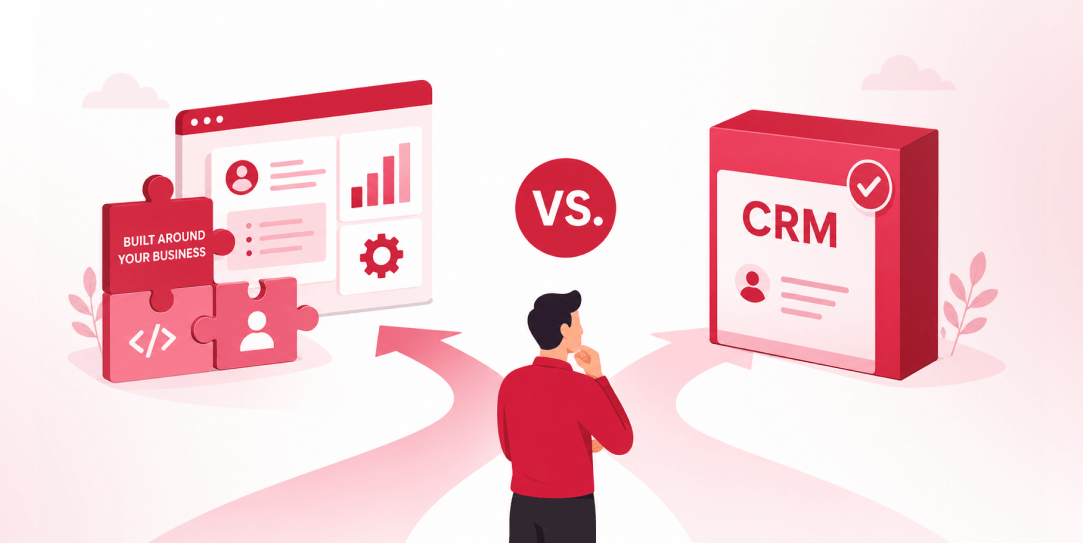
SaaS CRMs win on speed. Custom wins on fit and ownership. This isn’t a pitch for either one. Every early-stage SaaS company hits this decision within the first year, usually right after the founder realizes a spreadsheet isn’t a CRM. The default answer is almost always a SaaS CRM: HubSpot, Salesforce, Zoho, sign up in […]
 Other
Other
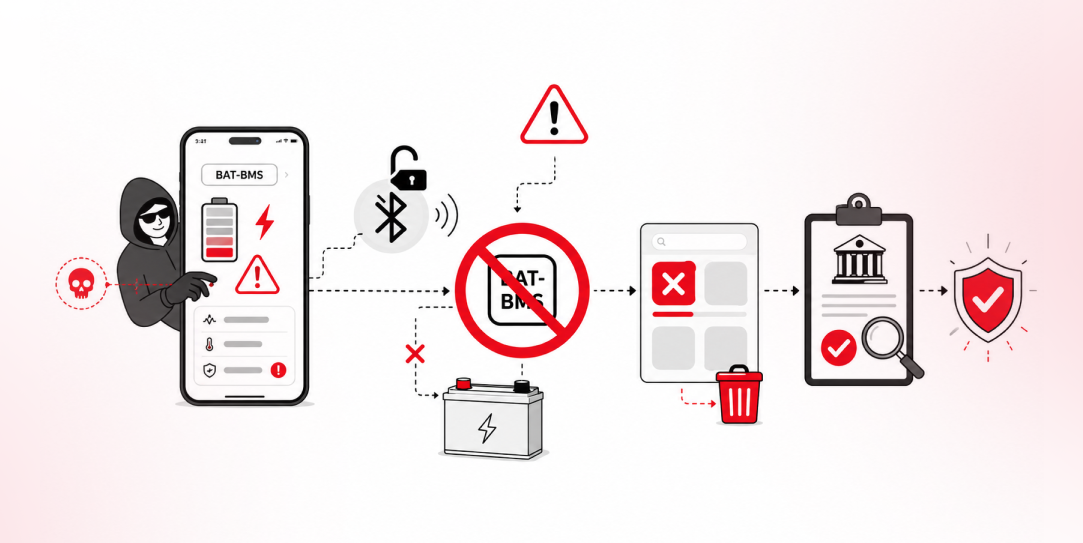
In late June and early July, videos started circulating on Instagram of people walking up to moving e-rickshaws, tapping a phone, and watching the vehicle lose power mid-ride. It spread as a prank trend before anyone fully understood the mechanism. Drivers in Patna (India) reported it first, assuming mechanical failure, until investigators traced it to […]
 Other
Other
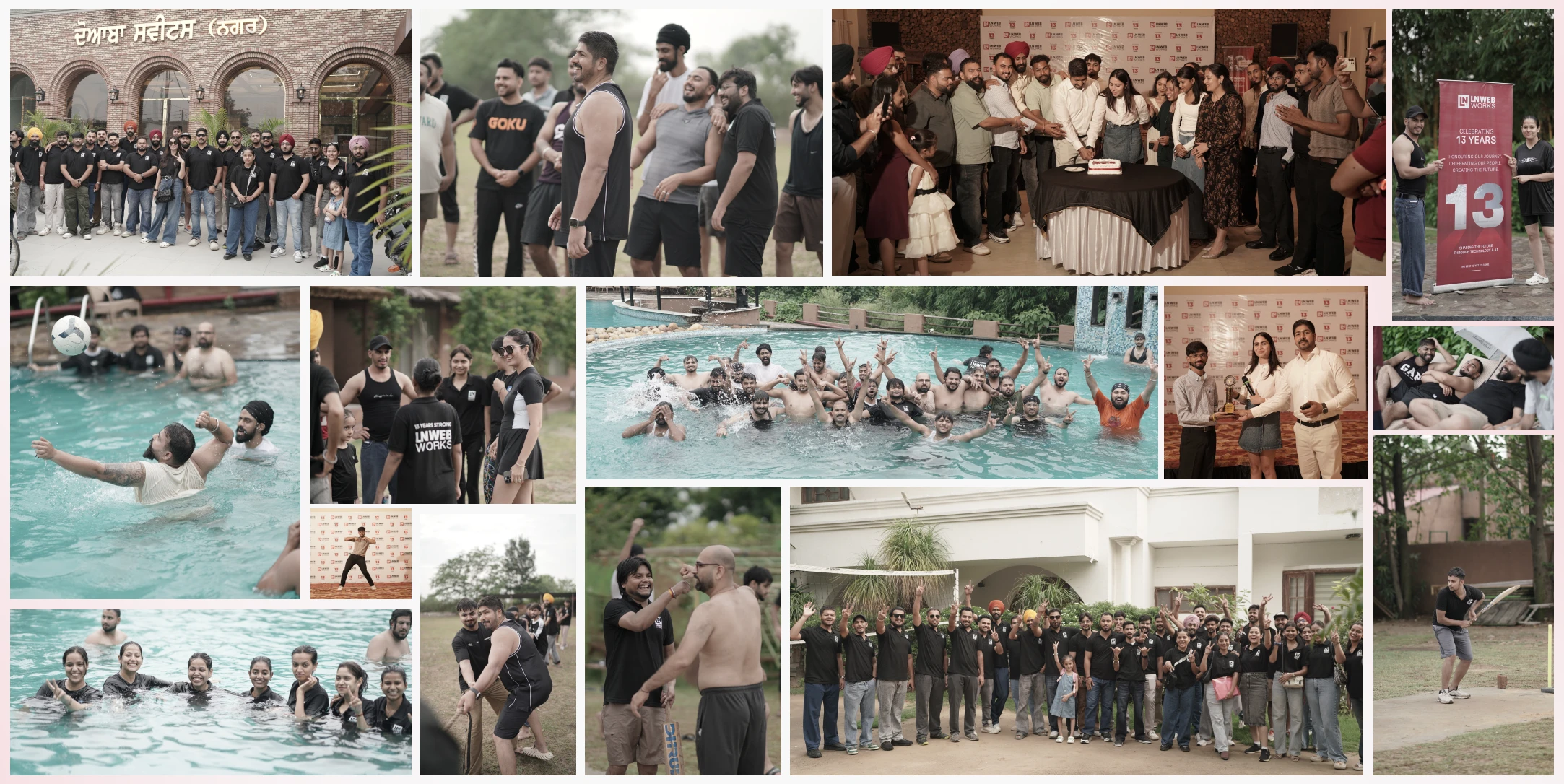
LN is officially thirteen years old now. We keep saying it, and it keeps not feeling real. Not because we are being modest. But because anyone who has tried to build something from nothing knows that most things do not make it to year three. The odds are not in your favour. The market does […]