15 Best and Most Popular CMS Platforms in 2025

Khushboo Arora
·
16 Sep, 2026
Being a business owner, you might be juggling multiple tasks to maintain your digital presence. Or, as a developer, you might be looking to build and manage websites for your clients.
In both scenarios, the best CMS platforms can help you manage your website content without needing deep technical knowledge and save on ongoing maintenance costs.
Before creating the list of content management platforms, our editorial team tried and tested each tool on their personal website and several projects.
Finding the CMS tool as per your specific needs will allow you to update your website in real-time and help optimize content for search engines by providing customizable meta tags, URL optimization, and XML sitemaps.
Therefore, to help you choose the best tool, this blog will dive deeper into all popular CMS platforms.
Take a look at our top picks of best CMS platforms for varied expertise, including designers, developers, and marketers:
Best for: Advanced users and large-scale websites
Drupal is one of the robust content management platforms that allows you to customize your website to within an inch of its life. This tool offers extensive features to tailor everything from site structure to managing content.
Although, its complexity makes it more ideal option for advanced users. Still, its plethora of features and low cost of implementation due to enormous amounts of freely-available community code make it one of the preferred choices among developers to manage large websites.
Key features:
Best for: All types of users/businesses to create a wide variety of websites with SEO-friendly features and an extensive ecosystem of themes and plugins.
WordPress is one of the most prominent open-source CMS platforms worldwide. Initially, this platform was launched and associated with personal blogs; however, currently, it is powering over 40% of websites across the globe since it is used for eCommerce platforms and professional publications.
With its vast library of plugins and themes, this platform is the go-to solution for projects ranging from enterprise applications to blogs.
Key features:
Best for: Enterprise-grade projects and multi-platform content delivery
One of the potent cloud-based content management systems, Contentful offers a scalable and accessible platform for large enterprises with complex content needs. This tool is designed to improve collaboration between digital teams by centralizing content in one place and supports editing and distribution.
Unlike traditional CMS, what makes it unique is its headless CMS nature, which enables it to work with all types of content and presentation layers. Furthermore, its enterprise-grade features, such as audit logs for large teams, advanced role-based permissions, and API-first architecture, deliver content seamlessly to websites, apps, and other digital channels.
Key features:
Best for: Creating eCommerce stores on WordPress
WooCommerce is an essential addition for all businesses looking to build a flexible and easy-to-manage online store. This tool adds the necessary eCommerce functionalities to any ordinary website and transforms it into an online store through a single, integrated platform.
This tool is an ideal choice for beginners looking to sell products. The best part? You can build a store that supports payment gateways, shipping options, and product types without any complexities. If you’re weighing a template-based tool like this against a custom build, this comparison breaks down what fits your brand
Key features:
Best for: Building complex site structures and multilingual websites
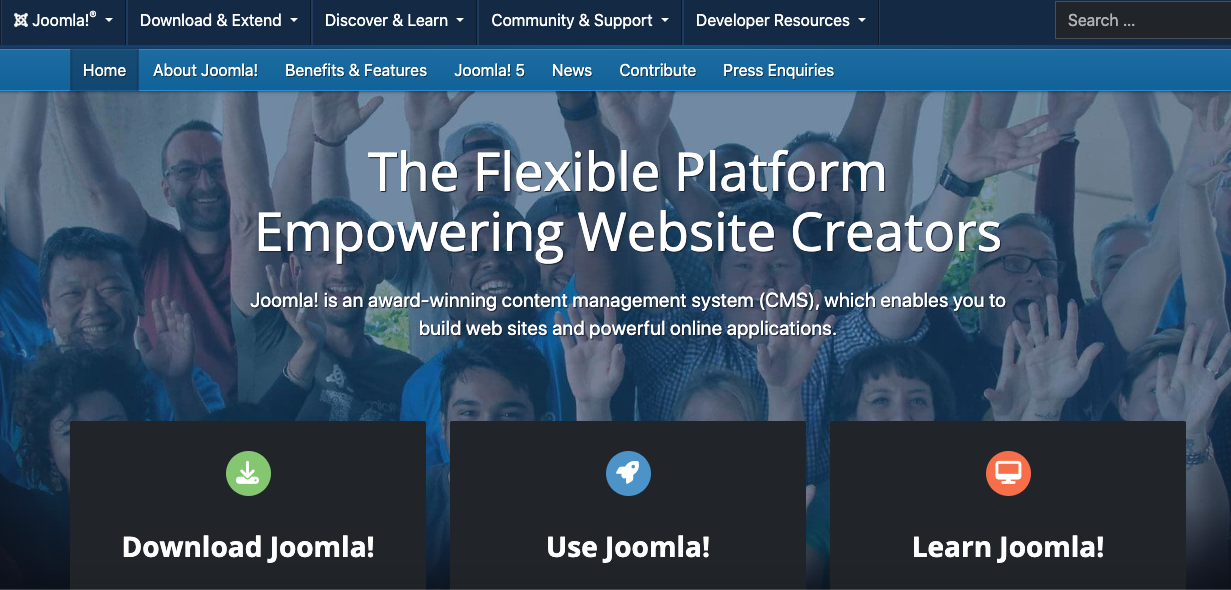
As we are listing the best CMS platforms in 2025, we cannot overlook Joomla. This open-source CMS platform comes with a wide range of themes, plugins, and extensions. It acts as a middle ground between WordPress and other developer-centric CMSs.
Joomla is well-known for offering a balance between simplicity and advanced customization. It is a flexible option for developers working on multi-language projects, eCommerce platforms, and even community-driven sites.
Key features:
Best for: Creating and managing content-heavy websites
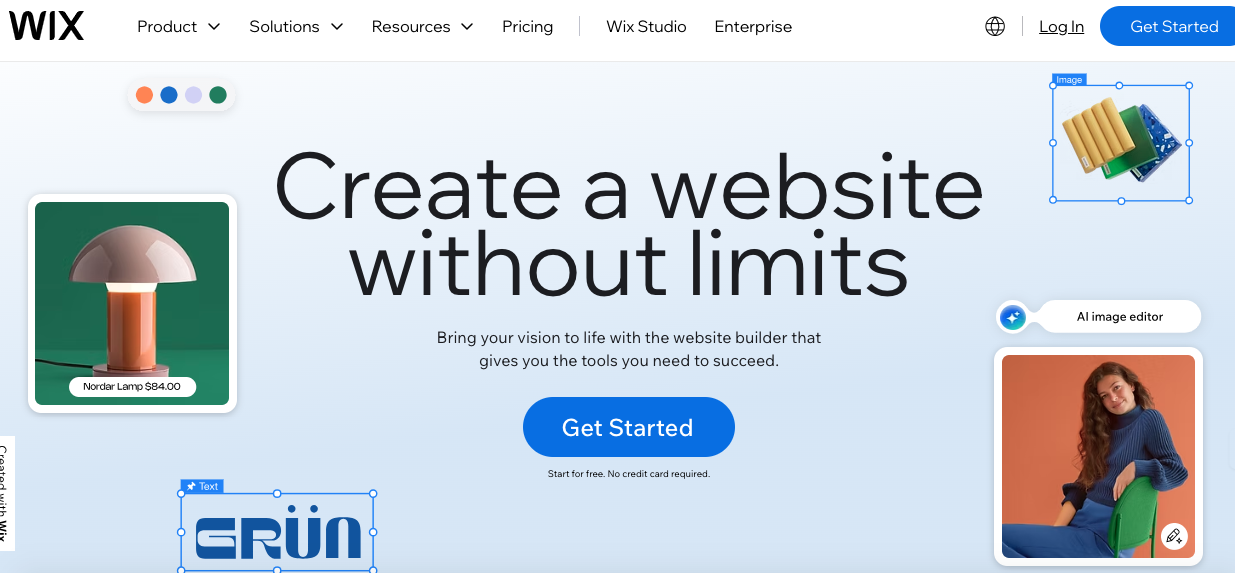
Wix is a renowned cloud-based CMS platform that allows you to design professional websites with ease. This tool’s intuitive technology and built-in features give you the freedom to start customizing your website from scratch.
Using Wix, you can manage your website’s content in collections that are separate from your editor. Once done, you can then connect that content to elements on your site, such as galleries, repeaters, and tables.
Key features:
Best for: Websites of all sizes, from simple ones to enterprise solutions
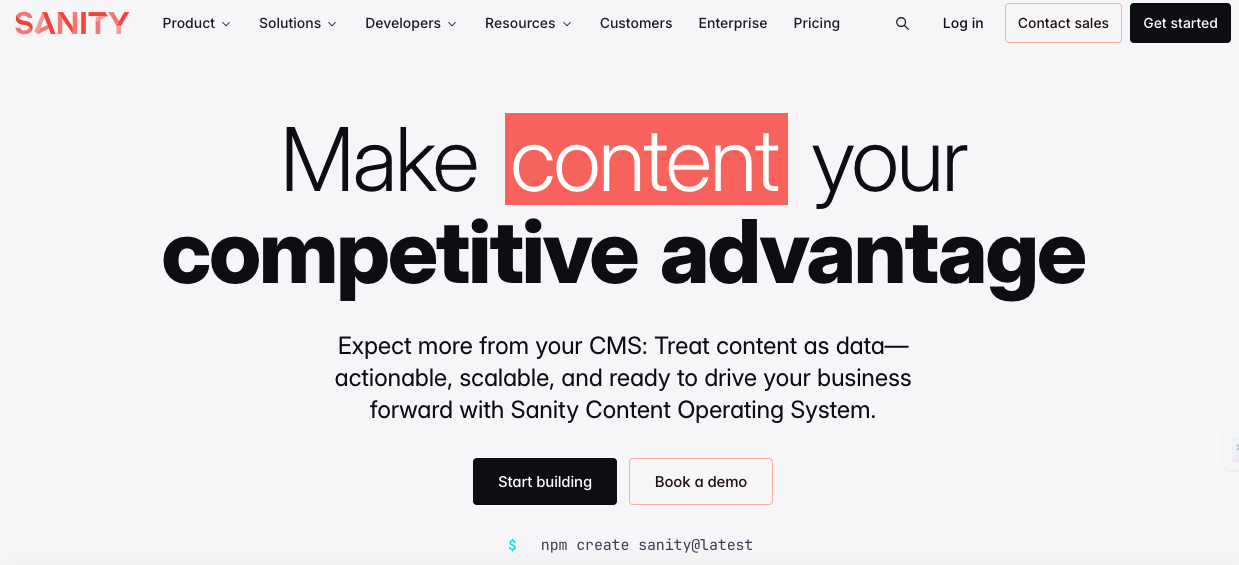
Looking for a headless CMS with real-time editing capabilities? Sanity is well worth a look. This platform enables developers and content teams to build highly scalable and dynamic applications, focusing on APIs and extensibility.
Its customizable Sanity Studio is built on React, which tailors the interface to your requirements. Another added advantage of using this tool is its built-in integrations with third-party platforms like Shopify, Slack, and Google Analytics.
Key features:
Best for: Handling custom websites and web applications
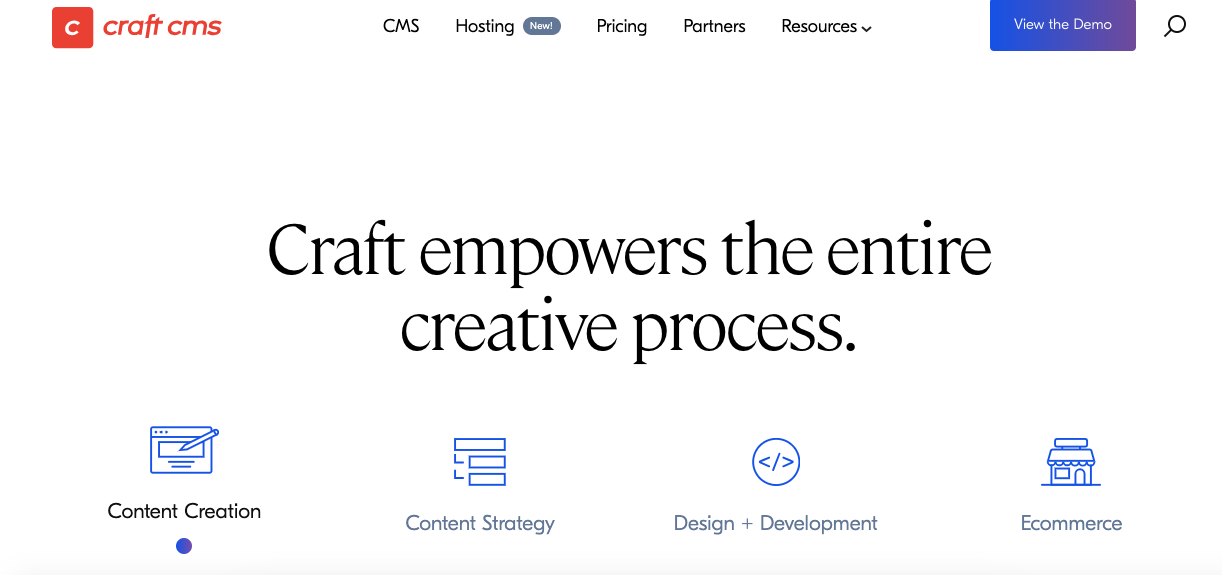
Craft CMS is a highly scalable platform that uses features such as caching, asset management, load balancing, and CDNs (content delivery networks). Using this platform, it becomes easy for developers to extend their website with custom functionality.
Its content-first approach allows you to create custom content types that combine the flexibility of headless CMSs with the familiarity of conventional platforms. Moreover, it is built on PHP, which offers developers granular control over their projects.
Key features:
Best for: Content creators and bloggers who want to edit and publish blogs on their website
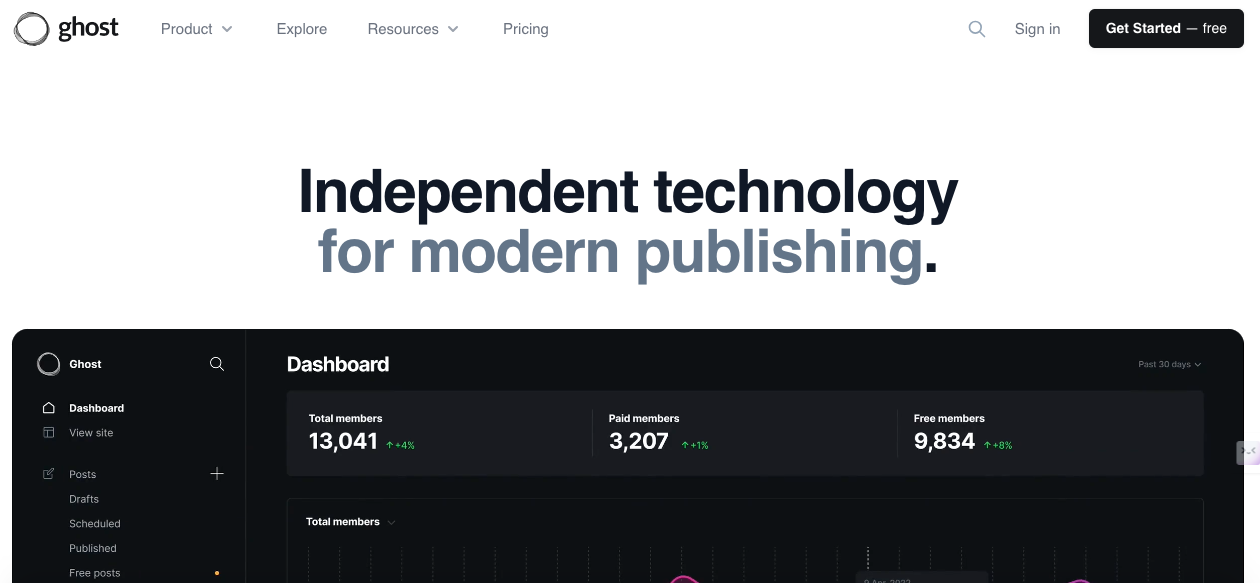
Ghost is one of the leading CMS platforms specifically designed for bloggers. Using this platform, many content creators have raised the stakes for their publications or online magazines.
One of its USPs is that its editor allows you to format text simply by adding special characters around words to make them bold, italic, etc. Its built-in SEO tools, subscription, and membership options empower you to grow an audience and monetize content.
Key features:
Best for: Developers looking for a headless CMS
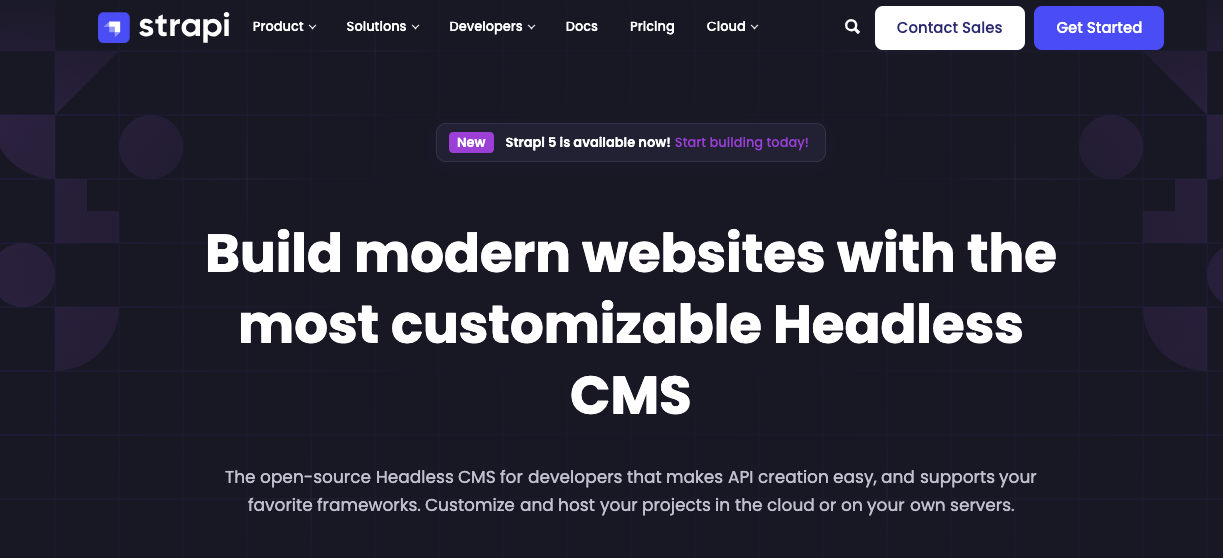
Strapi is a fully customizable and open-source headless CMS. This tool is well-known for providing developers a complete control over APIs, content models, and the overall project architecture.
Strapi supports the automatic generation of GraphQL API and REST with customizable endpoints. It also offers tons of rich developer tools that include CLI and a comprehensive documentation library.
Key features:
Best for: Creating online stores for all sized businesses- small, medium and large
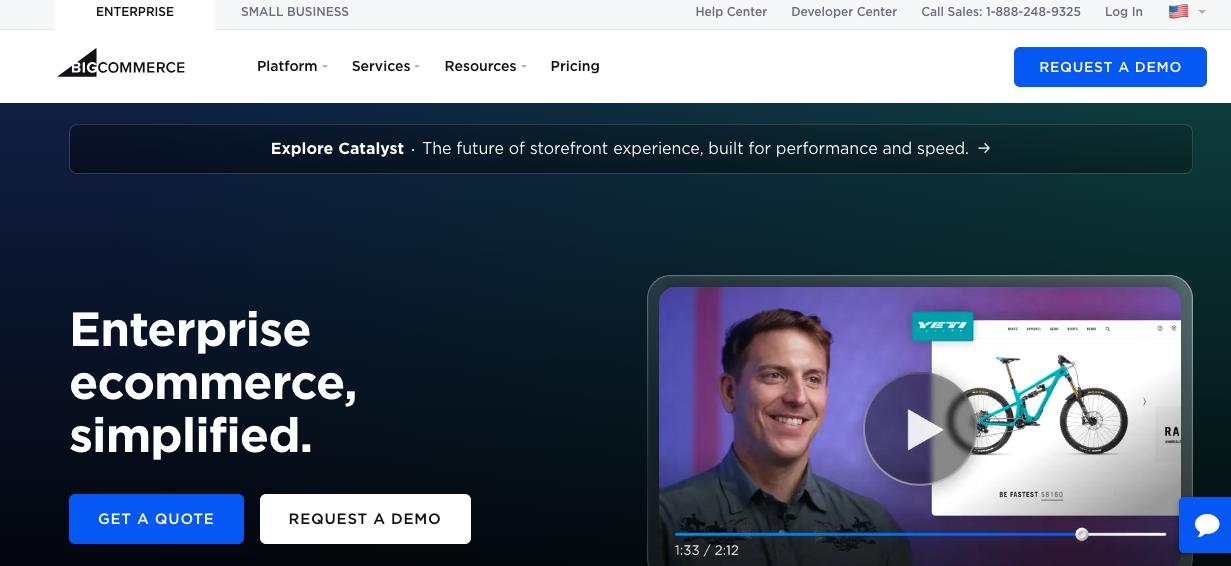
BigCommerce is a platform that can host a site for you and even serve as the CMS platform itself. It is ideal for all businesses who want to build an eCommerce store without extensive coding knowledge.
This tool provides you with numerous responsive, customizable templates. Moreover, it supports you with multiple ways to process payments, such as debit/credit cards and digital wallets like PayPal, Amazon Pay, etc.
Key features:
Best for: All-sized businesses who want to build and manage their online stores
Ever wondered why Shopify is so popular? This all-in-one hosted CMS platform does not require you to buy hosting, install any software, or manage things like updates and backups. Moreover, using this multi-functional tool, designed for selling eCommerce products, can also boost your in-store sales alongside digital sales.
Shopify supports various payment methods, including credit cards, PayPal, and its own Shopify Payments. It also allows for efficient inventory management, including alerts when inventory levels are low.
Key features:
Best for: Marketing-focused websites
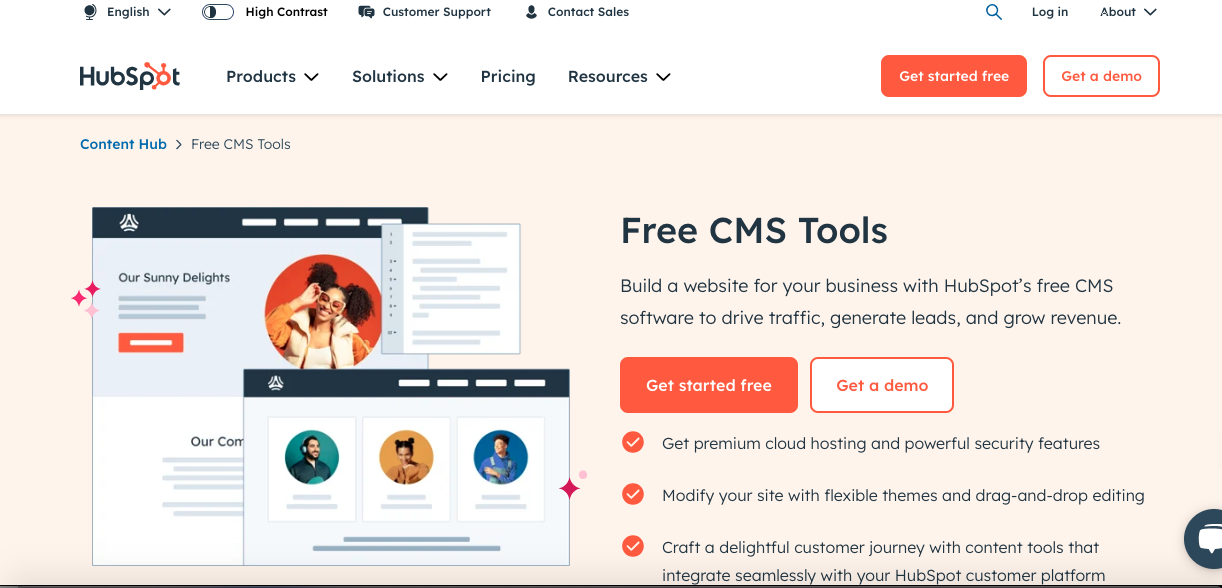
HubSpot CMS is one of the best CMS platforms that is ideal for businesses that want to combine content management with marketing and sales tools.
Using this platform, you can build your website quickly without technical expertise. It offers flexible themes, a drag-and-drop page editor, and various additional features to enhance security, such as SSL certificates and a web application firewall.
Key features:
Best for: Small to medium-sized online stores with more demanding specifications
An open-source eCommerce CMS platform, PrestaShop allows you to create and manage your ecommerce site’s content seamlessly. Some of its dynamic features include product management, SEO tools, payment gateways, a wide range of mobile/desktop themes, and store functionality with tons of add-ons.
Here’s a catch! No need to pay extra as your shop grows, at least till the time you are not required to upgrade your hosting plan. Moreover, you can get started with this platform without spending a heavy amount, especially if you have opted for a basic hosting plan.
Key features:
Best for: Large-scale eCommerce websites
Formerly known as Magento Commerce, Adobe Commerce is a CMS that allows you to build a potent eCommerce store. You can also download its free version—Magento OpenSource on your own web hosting account.
It is packaged with features like multilingual support, multi-store management, multi-currency options, live search, product recommendations, drag-and-drop page builder, robust inventory and order management, and more.
Key features:
A CMS is more than just a tool for managing website content. Using any of these popular CMS platforms will play a vital role in enhancing your online strategy. Besides, using them will also provide you with seamless collaboration, scalability, branding consistency, SEO effectiveness, and cost efficiency.
Remember, in today’s competitive world, if you can’t stay ahead, you might feel that you are left behind. And, to outshine your competition, you must know how to leverage CMS tools that make website management hassle-free.
For this, you can also take the assistance from LN Web Works that will benefit your business and developers by addressing all implementation challenges you come across in the web development process.
Ready to revolutionize your approach to web management? For more Assistance for CMS Platform Contact us.

 Other, SaaS Development
SaaS CRMs win on speed. Custom wins on fit and ownership. This isn’t a pitch for either one. Every early-stage SaaS company hits this decision within the first year, usually right after the founder realizes a spreadsheet isn’t a CRM. The default answer is almost always a SaaS CRM: HubSpot, Salesforce, Zoho, sign up in […]
 Other
Other
Most “audits” and “assessments” promise clarity but deliver a sales deck with language that lacks clarity. You book the call expecting evidence about your specific platform, and what shows up is a generic pitch for whichever package is easiest for the firm to sell. That’s the actual reason process transparency matters here, not because a […]
 Other
Other
In late June and early July, videos started circulating on Instagram of people walking up to moving e-rickshaws, tapping a phone, and watching the vehicle lose power mid-ride. It spread as a prank trend before anyone fully understood the mechanism. Drivers in Patna (India) reported it first, assuming mechanical failure, until investigators traced it to […]