A Comprehensive Guide to Website Development
Sunil
·
04 Sep, 2026
Website development has grown significantly more complex in recent years. Whether you are evaluating a web development company for the first time or revisiting your platform strategy, understanding what the discipline actually involves from full stack development to AI web development tools helps you make better decisions about where to invest and what to expect.
This guide covers the core concepts, current web development trends 2026, and practical considerations that matter when you are planning or managing a website development effort. It is written for product and operations leaders who need a clear, grounded view of how modern web development works not a technical deep dive, but enough context to ask the right questions and move forward with confidence.
This guide provides everything you need to know about web development company, full stack development, AI web development tools, web development trends 2026, and website development.
Ever scrolled through a great website and wondered how it actually gets built? You’re not alone. This guide pulls back the curtain on website development what it is, who does what, and which tools and web development trends 2026 actually matter right now.
Website development is the process of building and maintaining a site that runs in a browser design, database management, publishing, and programming, all working together so the end result actually functions the way it looks like it should.
It’s more than layout. Web development covers everything that makes a site work the code and logic behind the design, not just the design itself. Developers make sure a site performs reliably and holds up under real traffic, not just in a demo.
Designers shape how a site looks and feels layout, color, flow. Developers build the code that makes those decisions actually function in a browser. In practice the two roles overlap constantly, especially on smaller teams, but the core distinction still holds: designers decide the experience, developers build it.
HTML is still the skeleton it structures your content and nothing renders without it.
CSS is what makes that skeleton look like something colors, layout, responsive behavior across devices.
JavaScript adds the behavior everything interactive, from a dropdown menu to a live cart update, runs through it.
TypeScript is worth naming on its own in 2026. It’s no longer a “nice to have” a large share of developers now use it as their default over plain JavaScript, largely because it catches errors before they ship and because AI coding tools generate more reliable code in it.
Front end development covers everything a visitor directly touches buttons, menus, page transitions, the overall feel of the site. Front-end developers work primarily in HTML, CSS, and JavaScript (or a framework built on top of them).
Back end development is everything happening out of view the server, the database, the logic that decides what data gets shown and when. Think of a restaurant: the dining room is the front end, the kitchen is the back end. Common back end languages include Python, Java, Ruby, and PHP.
Full stack development means working across both. Full stack developers can take a project from database to browser without handing it off, which is why they’re often the ones leading smaller teams or fast moving projects one person, fewer handoffs, faster iteration.
The following web development trends 2026 are worth understanding if you are planning or evaluating a website development effort this year.
AI web development tools are now part of standard practice, not an experiment. A large majority of developers use AI supported coding tools like GitHub Copilot and Cursor daily not to replace engineering judgment, but to handle boilerplate, test scaffolding, and repetitive code so developers can focus on architecture and actual problem solving. Any credible web development company should be using these tools to reduce delivery time, while maintaining human review before code ships.
Meta frameworks have become the default starting point for full stack development. Tools like Next.js and Nuxt now come with routing, server rendering, and performance handling built in. For full stack development teams, this means less time configuring infrastructure and more time focused on the actual product.
Headless and composable architecture continues to gain ground. Separating the front end from the back end connecting systems through APIs rather than a single monolithic platform gives organizations more flexibility to update one part of their website development stack without rebuilding everything around it.
Edge deployment is becoming standard practice for global sites. Running server side logic closer to the visitor, through platforms like Cloudflare Workers or Vercel, meaningfully reduces load times for users who are geographically distant from your primary server. For organizations serving distributed audiences, this is no longer an advanced consideration it is a baseline expectation.
Git is still the backbone of version control tracking changes, letting you experiment safely, and making collaboration between developers possible without stepping on each other’s work.
GitHub hosts your Git repositories and is where most collaboration actually happens pull requests, code review, open source contribution, and a public portfolio of your work.
A solid code editor makes the daily work smoother. VS Code remains the industry default, and increasingly it’s paired with an AI layer either built in Copilot integration or an AI native editor like Cursor for real time suggestions and faster debugging.
Browser DevTools are still where you actually diagnose problems inspecting elements, editing styles live, and catching performance issues before a user does.
Build the fundamentals. Technical skills first HTML, CSS, JavaScript but workplace skills (communication, scoping, working with a team) matter just as much once you’re on a real project.
Formal education helps, but isn’t the only path. A computer science or web design degree is one route; a focused course or bootcamp is another. What matters most is what you can actually build.
Build a portfolio that shows real work, not just tutorials followed step by step. Employers want to see how you think through a problem, not just that you can copy a pattern.
Get certified if it helps you stand out. Not required everywhere, but it can validate your skills to a client or employer who doesn’t have time to review your code directly.
A website is still the first impression most customers get of your business and in 2026, that impression is increasingly shaped by speed, AI assisted personalization, and how well the site holds up across devices, not just how it looks on a desktop screen.
If you’re not ready to build it yourself, working with an experienced web development company saves the trial and error. Partner with LN Webworks to build a site that requires less maintenance, runs fewer issues, and delivers the kind of experience that actually converts.

 Platform Strategy, Web Development
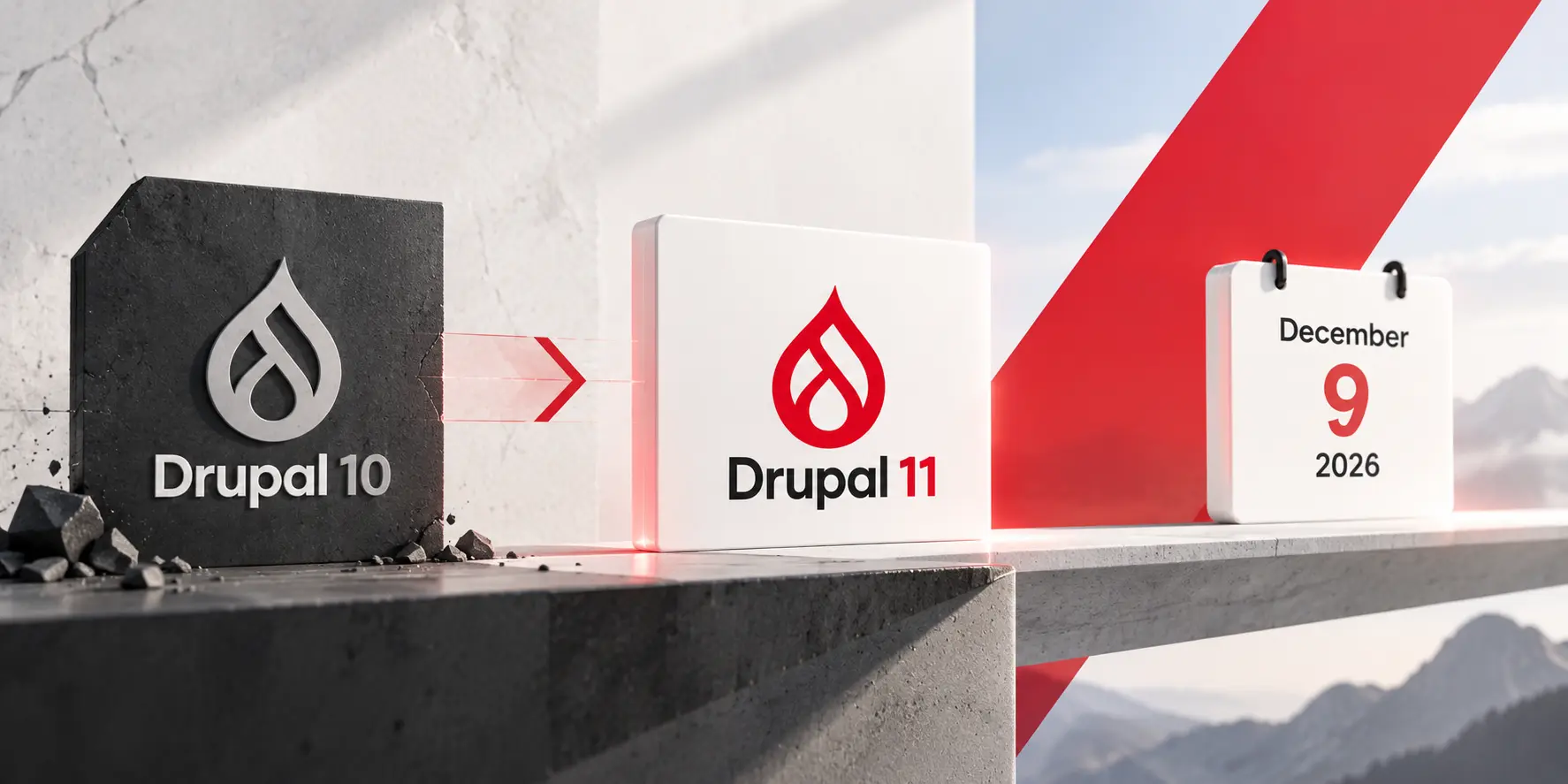
Key Takeaways Drupal 10 reaches end of life on 9 December 2026. After that, core gets no new releases and no security advisories. Check your minor version today. Drupal 10.6 is the last release, and earlier minor versions have already lost security coverage. The move from 10 to 11 is an in-place upgrade, not a […]
 Web Development
A customer lands on your site from a search result, ready to buy. Before they can, a banner asks them to download your app. They do not want an app. They want to check out. That single moment of friction, repeated across millions of visits, is the exact problem a progressive web app was built […]
 Web Development
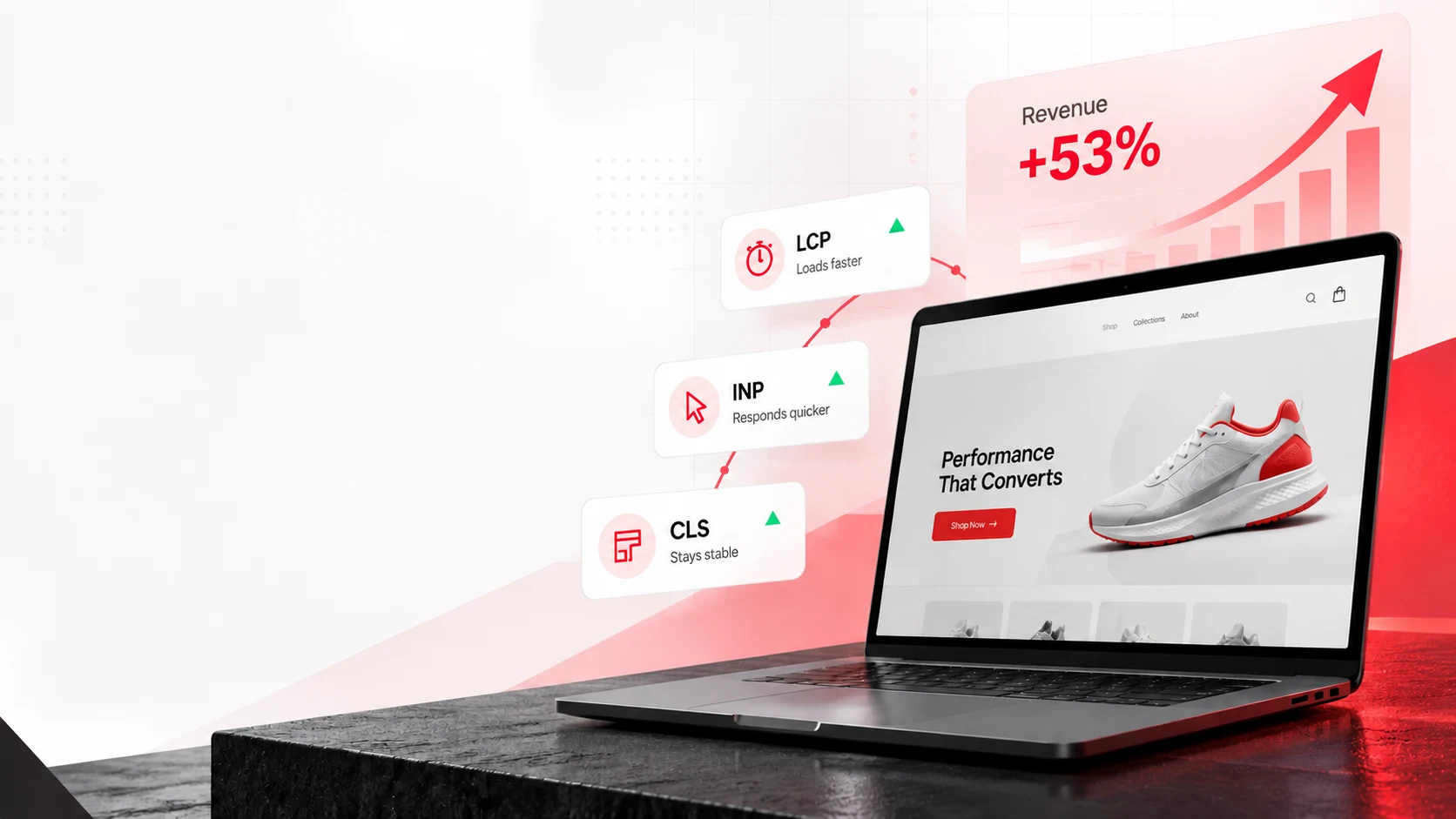
Most advice about Core Web Vitals treats them as a checkbox for search rankings. Fix the score, keep Google happy, move on. That framing misses what these metrics actually connect to, the same narrow lens we pushed back on in what actually changed between SEO and GEO. A handful of real companies have published what […]