How To Run Next.js application with Docker: Step By Step Guide
 Team LN Webworks
·
04 Sep, 2025
Team LN Webworks
·
04 Sep, 2025
Docker is a popular containerization platform that allows developers to package applications and their dependencies into standardized units, providing consistency across different environments. By containerizing our Next.js application, we can ensure portability, scalability, and ease of deployment.
Next.js, known for its robust features in crafting React applications, provides developers with an excellent framework for crafting dynamic and engaging web experiences.
Before using Docker, let’s set up a Next.js project. If you haven’t already installed Node.js and npm, make sure to do so before proceeding. Then, open your terminal and run the following commands:
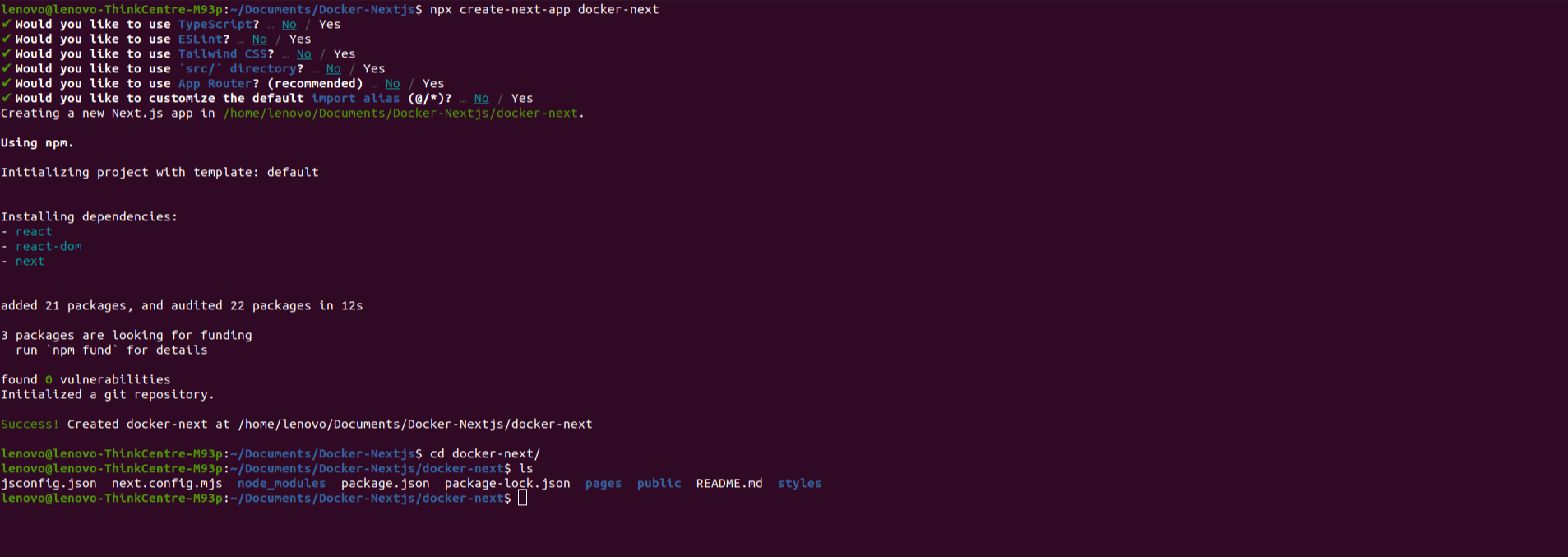
Once you’ve added Docker to your Next.js application, it’s time to see them in action. In your terminal, navigate to your project directory and run the following command:
npm run dev
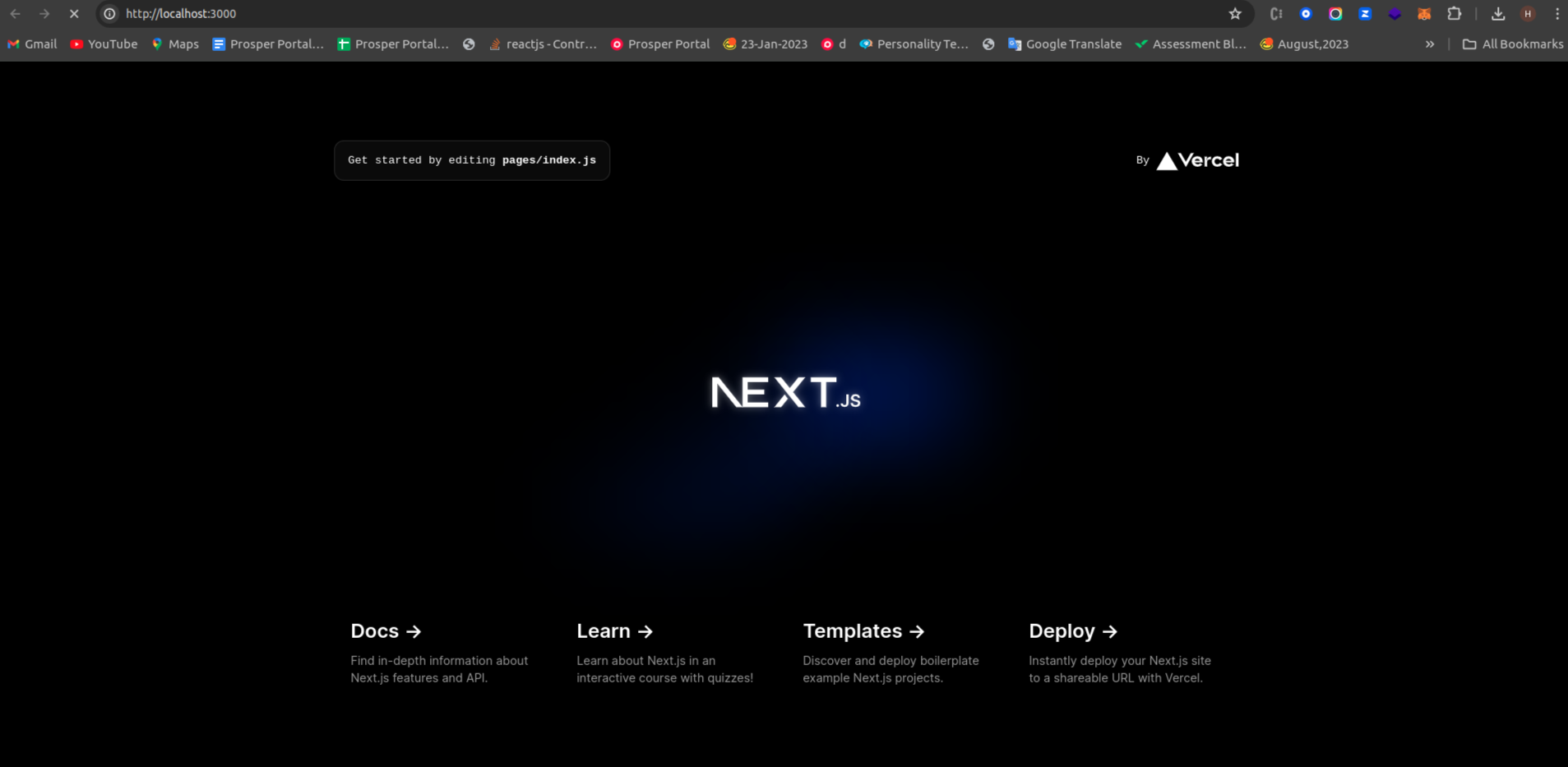
This command will start your Next.js development server. Open your web browser and navigate to http://localhost:3000 to view your Next.js application like below:
Make sure you have Docker installed on the Desktop
For Ubuntu use this ref:https://www.digitalocean.com/community/tutorials/how-to-install-and-use-docker-on-ubuntu-20-04
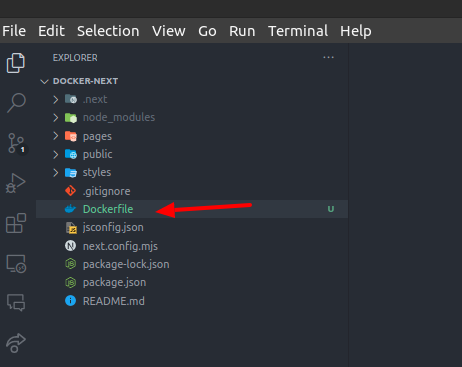
A Dockerfile is a text document that contains instructions for building a Docker image. We’ll create a Dockerfile tailored for our Next.js application, configuring it to install dependencies, copy the application code, and specify the command to start the application.
# Use an official Node.js image as the base image
FROM node:20
# Set the working directory in the container
WORKDIR /usr/src/app
# Copy package.json and package-lock.json to the container
COPY package*.json ./
# Copy the rest of the application code to the container
COPY . .
# Install dependencies
RUN npm install
# Build the Next.js app
RUN npm run build
# Expose the port that your Next.js app will run on
EXPOSE 3000
# Start the Next.js app
CMD [“npm”, “start”]
It helps define what services your application needs, like databases or web servers, and how they should be configured, making it easier to manage and deploy your application across different environments. It simplifies collaboration and ensures consistency in your application’s setup.
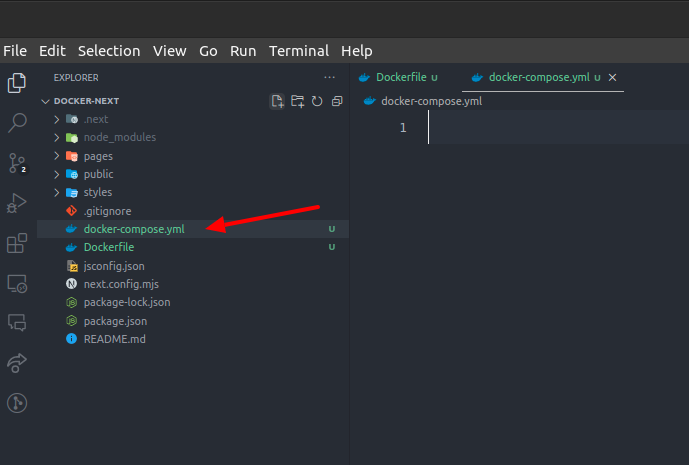
docker-compose.yml
version: ‘3.8’
services:
# Next.js app
web:
image: node:20
working_dir: /app
volumes:
– .:/app
ports:
– “1313:3000”
environment:
– NODE_ENV=development
command: >
bash -c “npm install && npm run dev”
Step 6: Command for running the Docker container
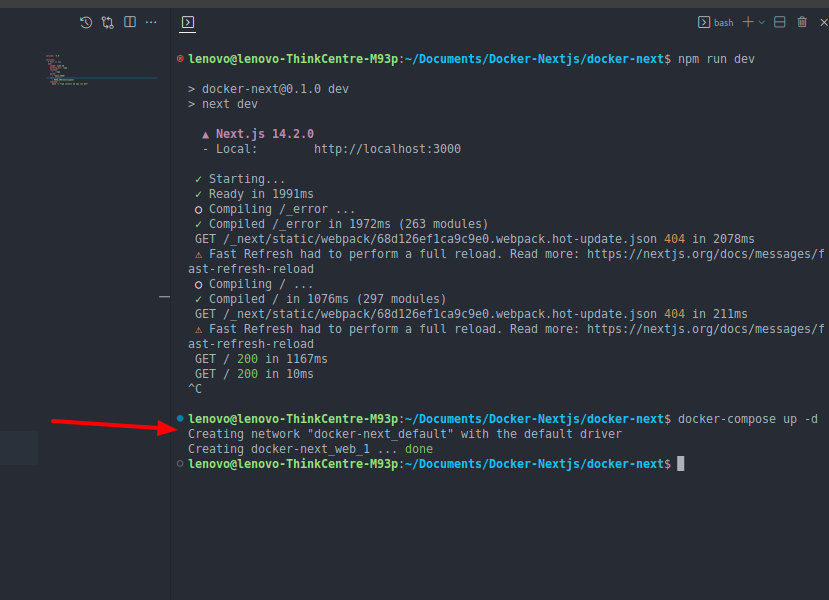
Open Docker and look for the container that matches the name of your application. When you find it, you’ll see a folder inside the container that mirrors the structure of your local project directory.
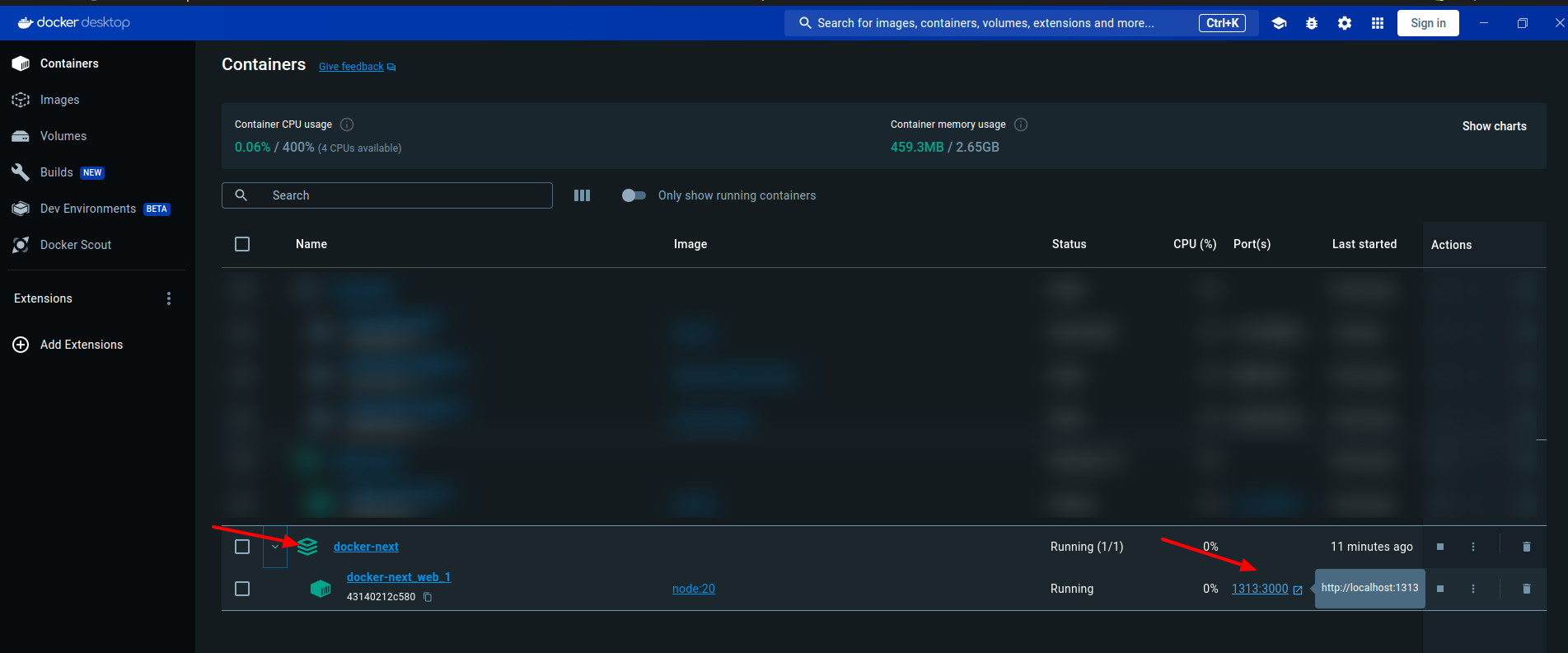
Docker serves as a versatile containerization platform, empowering developers to encapsulate applications and their dependencies into portable units. By containerizing our Next.js application, we ensure consistency across diverse environments, bolstering portability, scalability, and deployment efficiency.
LN Webworks expert team is ready to tailor solutions that meet your every need. Reach out to us now for project excellence and discover how we can help you with your web development projects.
 Other, SaaS Development
SaaS CRMs win on speed. Custom wins on fit and ownership. This isn’t a pitch for either one. Every early-stage SaaS company hits this decision within the first year, usually right after the founder realizes a spreadsheet isn’t a CRM. The default answer is almost always a SaaS CRM: HubSpot, Salesforce, Zoho, sign up in […]
 Other
Most “audits” and “assessments” promise clarity but deliver a sales deck with language that lacks clarity. You book the call expecting evidence about your specific platform, and what shows up is a generic pitch for whichever package is easiest for the firm to sell. That’s the actual reason process transparency matters here, not because a […]
 Other
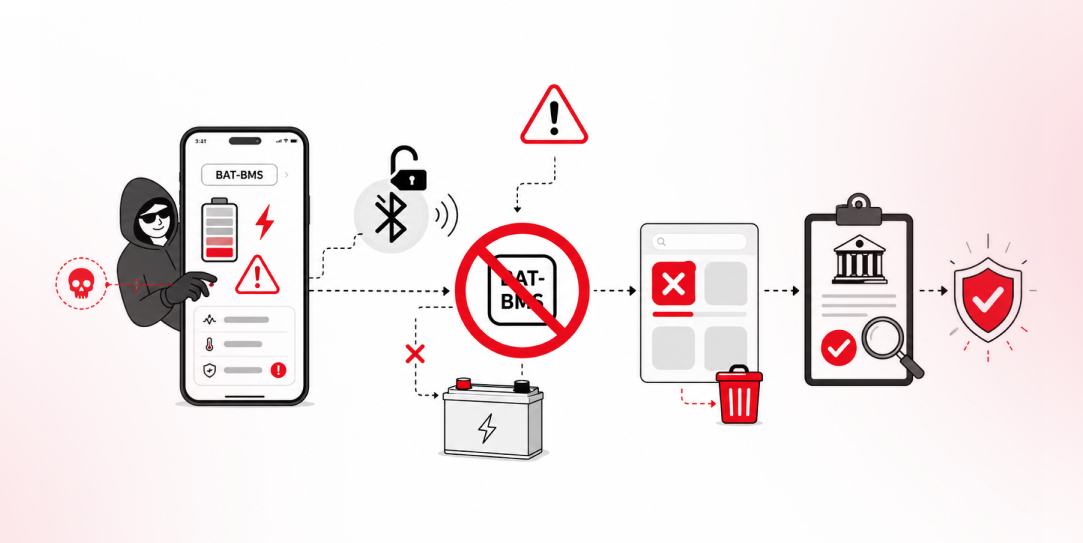
In late June and early July, videos started circulating on Instagram of people walking up to moving e-rickshaws, tapping a phone, and watching the vehicle lose power mid-ride. It spread as a prank trend before anyone fully understood the mechanism. Drivers in Patna (India) reported it first, assuming mechanical failure, until investigators traced it to […]