How To Optimizing SQL Queries: Inner SELECT vs. LEFT JOIN

 Team LN Webworks
·
20 Jul, 2026
Team LN Webworks
·
20 Jul, 2026
In the realm of database querying, optimizing performance is paramount. Whether you are a seasoned database administrator or a budding developer, understanding the nuances of different SQL constructs can significantly impact the efficiency of your queries. Database performance optimization is crucial for ensuring quick and efficient data retrieval.
In this blog post, we will delve into the comparison between two common techniques: using an inner SELECT and employing a LEFT JOIN. We will explore their syntax, functionality, and performance implications through real-world examples.
Before diving into the comparison, let us briefly review the basic concepts behind each SQL construct.
An inner SELECT, also known as a subquery, is a foundational technique when optimizing SQL queries. An inner SELECT refers to a subquery that is executed within another query to refine results. A subquery is a query nested within another query, allowing you to retrieve data based on conditions specified within the subquery itself. The outer query then uses the results returned by the inner SELECT to further filter or manipulate data. Inner SELECT is a query within a query that returns data based on specific conditions.
Inner SELECT provides a method to refine query results by executing within an outer query. This approach can be beneficial for performance when filtering large datasets. Using an Inner SELECT:
SELECT * FROM employees WHERE department_id IN ( SELECT department_id FROM departments WHERE department_name = 'IT' );
A LEFT JOIN is a type of join operation that combines rows from two tables based on a related column. LEFT JOIN refers to a SQL operation that merges records from two tables, preserving all entries from the left table. It returns all records from the left table and any matching records from the right table. When no matching records exist in the right table, the query returns NULL values for those columns.
LEFT JOIN enables the merging of two tables while preserving all records from the left table. This is particularly useful when data completeness is necessary. Using a LEFT JOIN:
SELECT e.* FROM employees e LEFT JOIN departments d ON e.department_id = d.department_id WHERE d.department_name = 'IT';
In this example, the query joins the entire employees table with the departments table before applying the filter. While this preserves data, it can produce a larger intermediate result set than necessary when the goal is simply to filter results, which becomes a significant consideration as dataset size increases.
Mastering how to optimize SQL queries: Inner SELECT vs. LEFT JOIN requires clarity on what each construct does and when each is appropriate. Choosing the right SQL construct enables efficient query performance tailored to your data needs. An inner SELECT executes a subquery within an outer query, filtering results based on conditions defined in the nested statement. This approach often produces a smaller intermediate result set and can improve performance when working with large datasets where only a subset of records is needed.
A LEFT JOIN merges rows from two tables based on a related column, preserving all records from the left table regardless of whether a match exists on the right. This is the correct choice when full record preservation matters, but it can generate larger intermediate result sets when the goal is simply to filter data. Testing both approaches against your actual dataset and reviewing execution plans is the most reliable way to determine which performs better in your environment. Choosing between these two techniques depends on your data volume, indexing strategy, and the specific filtering logic your query requires.
 Other, SaaS Development
SaaS CRMs win on speed. Custom wins on fit and ownership. This isn’t a pitch for either one. Every early-stage SaaS company hits this decision within the first year, usually right after the founder realizes a spreadsheet isn’t a CRM. The default answer is almost always a SaaS CRM: HubSpot, Salesforce, Zoho, sign up in […]
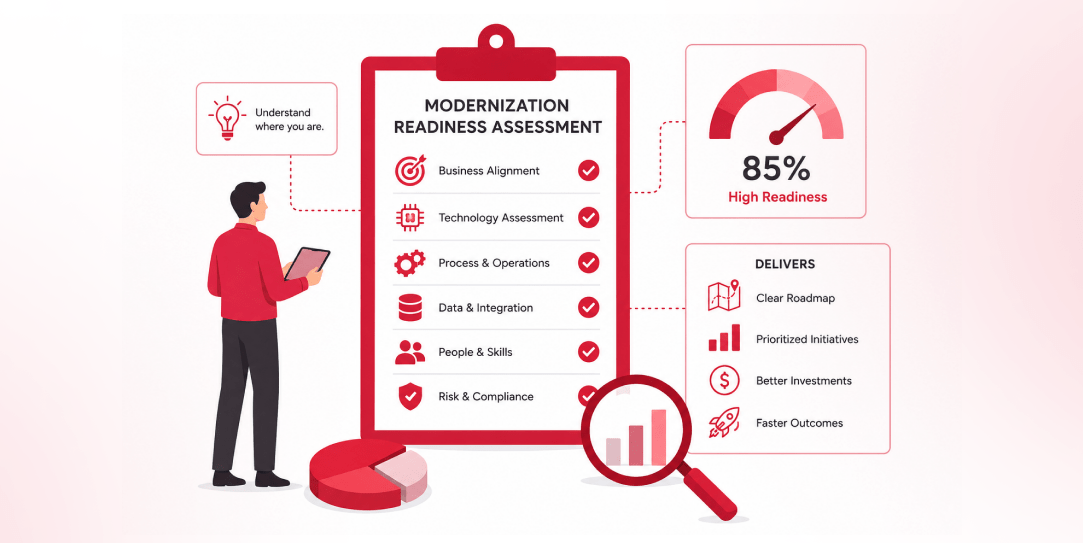 Other
Most “audits” and “assessments” promise clarity but deliver a sales deck with language that lacks clarity. You book the call expecting evidence about your specific platform, and what shows up is a generic pitch for whichever package is easiest for the firm to sell. That’s the actual reason process transparency matters here, not because a […]
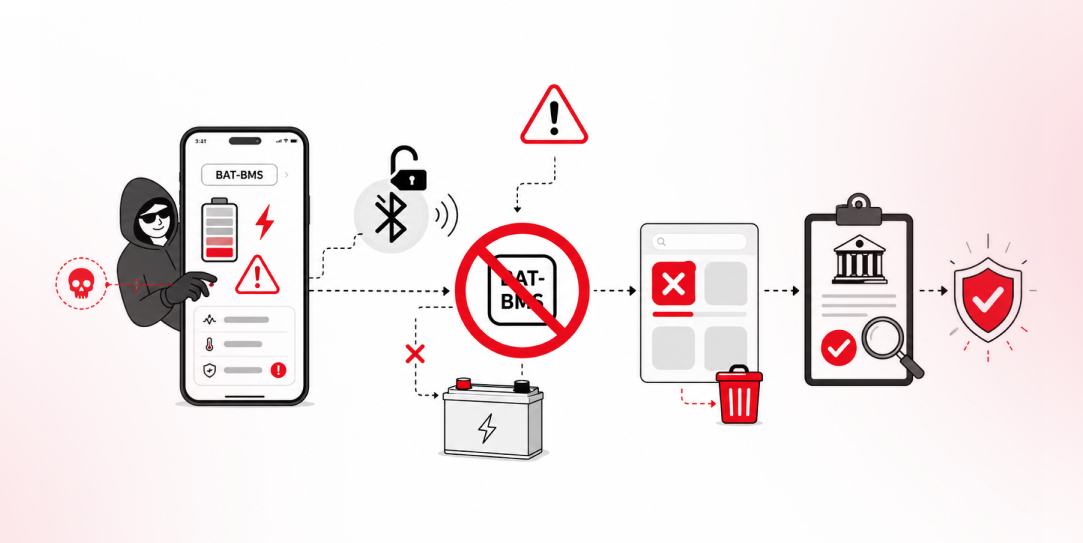 Other
In late June and early July, videos started circulating on Instagram of people walking up to moving e-rickshaws, tapping a phone, and watching the vehicle lose power mid-ride. It spread as a prank trend before anyone fully understood the mechanism. Drivers in Patna (India) reported it first, assuming mechanical failure, until investigators traced it to […]