15 Best Ecommerce Business Ideas

Hem Kant
·
30 Sep, 2026
The best ecommerce business ideas for 2026 include dropshipping, marketplaces, handcrafted products, online courses, and AI ecommerce tools. Low-inventory models like dropshipping and affiliate marketing suit beginners, while marketplaces and software need more upfront investment.
Online business isn’t only about online stores, although they’re a big part of the market. It’s the idea, not the business itself, that turns a startup from rust to gold. Below are 15 ecommerce business ideas worth your time and investment, and what to focus on for each. Looking to build one? Explore our startups services.
Makers, artisans, and small businesses need a place to reach customers. A marketplace lets multiple sellers list products in one searchable platform. With so many marketplaces available, differentiate yours by targeting a niche such as collectors or antique boutiques.
Handmade goods never go out of fashion. You can sell online, through retailers, or at local markets. Start by choosing what to make, such as food items, pet toys, or wood furniture, then focus on quality and a clearly defined target market.
Chatbots give businesses an always-on contact point that answers queries and guides customers to the right products, saving time and money. Stand out with reliable, high-quality performance and distinctive features, such as a unique chat window experience.
A clothing line involves designing products, choosing fabrics, and producing a range you sell through retail stores or your own site. If you’re new to fashion, consider working with a designer or seamstress before manufacturing. Using recycled or deadstock fabrics cuts costs, makes your business more sustainable, and attracts customers looking for unique materials.
A local marketplace lets community members buy and sell products, from local artisans’ work to used household items and clothes. It’s an alternative to generic classified sites and supports local businesses and neighbours from the comfort of home.
Every online business needs software to accept payments and orders. For tech-savvy founders, ecommerce software combines the ecommerce and tech sectors. Focus on security and user-friendliness to deliver the best customer experience.
You can design your own jewellery or run a platform selling pieces from other jewellers. If you’re not ready for your own store, start on a platform like Etsy. Stand out with unique materials or special incentives for customers.
Not every online store sells products that are ethically made or sourced. An ethical marketplace makes it easy for conscious consumers to find and buy responsibly made products.
In dropshipping, you take customer orders online and pass them to a third-party supplier for fulfilment. You avoid inventory management and high overhead, so your work centres on marketing, customer experience, and product curation.
Selling second-hand or vintage items extends product life, which suits eco-minded fashion lovers. The biggest time commitment is sourcing stock from thrift shops, flea markets, and estate sales. You can launch your own site and invest in marketing, or sell on platforms like Depop, Etsy, or Poshmark, though these charge fees.
As online shopping grows, so does demand for mobile shopping apps. Working with e-commerce development companies, you can put customers’ favourite stores within easy reach and make it simpler to buy what they need. An app with your company’s logo on a user’s home screen keeps your brand top of mind. Encourage downloads with app-only rewards such as free shipping, special promotions, or loyalty programs.
Online courses make quality education more accessible and let you turn your expertise into a product. Choose a skill people want to learn and package it into lessons they can access anytime.
AI can personalise shopping by using order history, payment and shipping details, and search behaviour. This improves customer experience and can lift sales. An AI ecommerce startup has a better chance of success if it prioritises security and user experience and integrates with various point-of-sale (POS) platforms.
Ebooks help authors reach new readers and diversify income without printing costs. Demand for easily downloadable ebooks keeps growing, so if you enjoy writing, an ebook business is a simple way to publish your work.
Affiliate marketing means promoting a brand’s products and earning a commission on sales you drive. To succeed, you need a strong online presence on social networks, a well-designed brand image, and an audience that trusts your recommendations.
What are the best ecommerce business ideas to start with?
Popular options include dropshipping, marketplaces, handcrafted products, online courses, and affiliate marketing.
Which ecommerce business is best for beginners?
Dropshipping and affiliate marketing suit beginners because they need no inventory and have low startup costs.
Can I start an ecommerce business without holding inventory?
Yes. Dropshipping and digital products like ebooks and online courses don’t require you to store or ship stock.
What makes an ecommerce business stand out?
A clear niche, quality products, and a distinctive brand, such as sustainable materials or ethical sourcing, help you compete in a crowded market.
The right ecommerce idea combines a clear niche, a defined audience, and a business model that fits your budget. Pick one that matches your skills, define your brand identity, and start small before scaling. Ready to bring your idea to life? Contact our team and we’ll help you build it.

 Other, SaaS Development
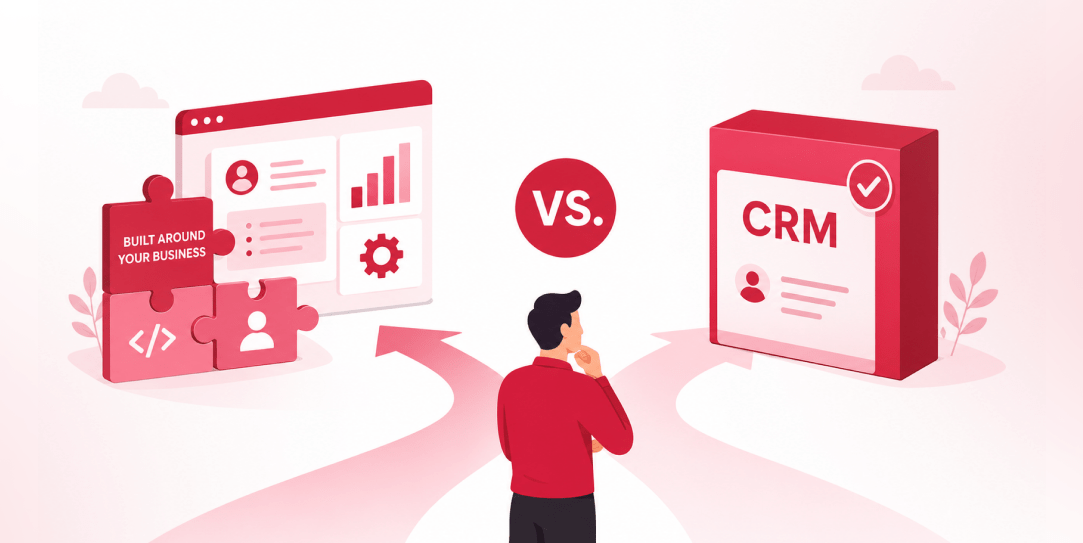
SaaS CRMs win on speed. Custom wins on fit and ownership. This isn’t a pitch for either one. Every early-stage SaaS company hits this decision within the first year, usually right after the founder realizes a spreadsheet isn’t a CRM. The default answer is almost always a SaaS CRM: HubSpot, Salesforce, Zoho, sign up in […]
 Other
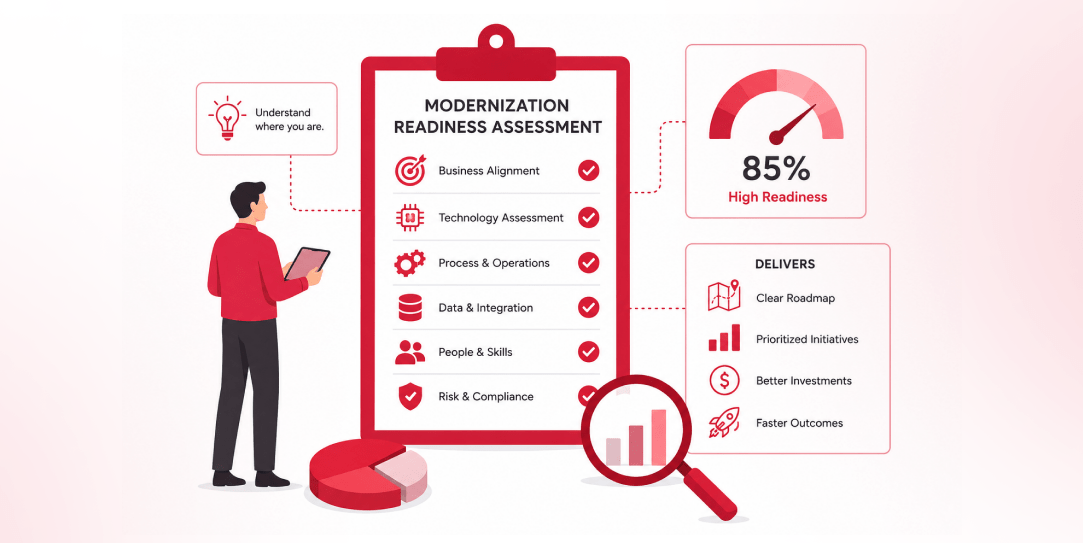
Most “audits” and “assessments” promise clarity but deliver a sales deck with language that lacks clarity. You book the call expecting evidence about your specific platform, and what shows up is a generic pitch for whichever package is easiest for the firm to sell. That’s the actual reason process transparency matters here, not because a […]
 Other
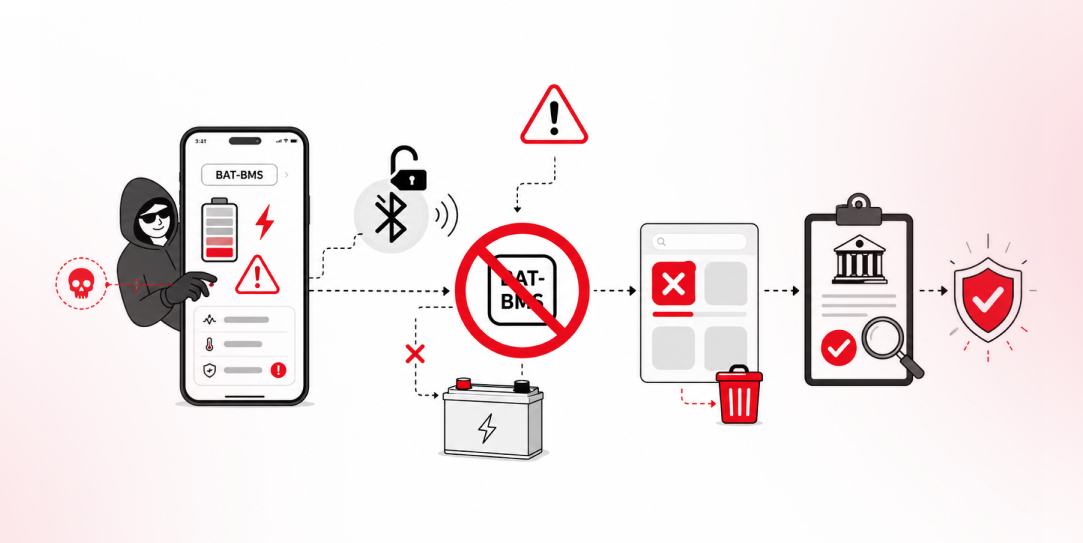
In late June and early July, videos started circulating on Instagram of people walking up to moving e-rickshaws, tapping a phone, and watching the vehicle lose power mid-ride. It spread as a prank trend before anyone fully understood the mechanism. Drivers in Patna (India) reported it first, assuming mechanical failure, until investigators traced it to […]