Does AI Personalization Actually Pay Off in Ecommerce?

Hem Kant
·
10 Sep, 2026
Search “AI personalization ROI” and you’ll find the same handful of numbers everywhere. And trust us, those numbers are interesting at best, and misleading at worst.
40% more revenue. 400% ROI. 5–8x returns.
They all sound impressive. They also contradict each other, sometimes within the same article. The problem isn’t that personalization doesn’t work. It’s that ROI depends heavily on what you personalize, who you personalize for, how you measure it, and what you count as a return.
A 5% lift in conversion can be more valuable to one business than a 40% increase in engagement is to another. And a flashy percentage means very little if the cost of implementing, maintaining, and scaling the AI behind it is left out of the equation.
So we decided not to add another impressive-looking number to the pile.
We tried to keep this asset as honest as your business.
Instead of promising a universal ROI figure, we’ll look at where AI personalization can actually create value, what affects the numbers, which metrics are worth tracking, and where the returns may, and may not, justify the investment.
Here’s a pattern worth noticing. Several sources cite “McKinsey” for a revenue lift number, but the number changes depending on who’s citing it.
|
Source Claims |
Attributed To |
|
40% more revenue |
McKinsey |
|
5-25% revenue lift |
McKinsey |
| 5-15% revenue lift |
McKinsey |
| 20-30% conversion increase |
Unattributed |
Same source, four different numbers. That’s not a research finding. That’s a stat getting copied and reworded until nobody remembers where it actually came from.
The “40% more revenue” claim usually compares fast-growing companies to slow-growing ones. Fast-growing companies do a lot of things well. Personalization is one of them, but it’s not the only one.
Crediting the whole revenue gap to personalization alone is a stretch. It’s correlation dressed up as causation.
Some of the biggest numbers also come from AI vendors selling personalization tools. Their blog posts read like research. They’re actually marketing, built to make their own product look essential.
Strip away the vendor noise, and a more modest, more believable picture shows up.
| The honest range is 5% to 25% revenue lift. Anything claiming 40% or more, without a clear methodology attached, deserves a closer look before you believe it. |
The AI model matters less than people assume. A few things matter more:
Here’s a failure mode vendor case studies skip entirely. A personalization engine confidently recommends a product. The product is actually out of stock.
That’s worse than no recommendation at all. It’s a broken promise, right at the moment a customer was ready to buy. We covered exactly this kind of gap in real-time inventory sync between ecommerce and ERP: personalization only works as well as the inventory data sitting underneath it.
Don’t take a vendor’s case study at face value. Run your own test instead.
If your results land inside that honest range, the investment is probably working. If a vendor promised 40% and you’re seeing 6%, that’s useful information too.
Personalization sits on top of a real technical foundation. Getting the platform right matters more than picking the flashiest AI tool. We covered how to think about that foundation in Shopify versus headless versus fully custom, and the same logic applies here: the tool is only as good as what it’s built on.
Getting that foundation right, then adding personalization deliberately on top of it, is the same platform strategy work we help clients think through before they invest in any AI feature.
If you’re weighing an AI personalization investment and want a straight conversation on realistic ROI, not a vendor’s best-case slide deck, let’s talk it through.
Book a direct conversation with our team and we’ll help you set up a real test.

 AI & Automation
OpenAI released a new flagship AI model on September 3, 2026. It’s called GPT-6 Astra. President Greg Brockman told reporters it marks a “generational leap in capability” and called it the start of the “AGI era.” That’s a big claim. Some of what backs it up is genuinely impressive. Some of it needs a closer […]
 AI & Automation, AI & Enterprise Strategy, Compliance & Governance, Thought Leadership
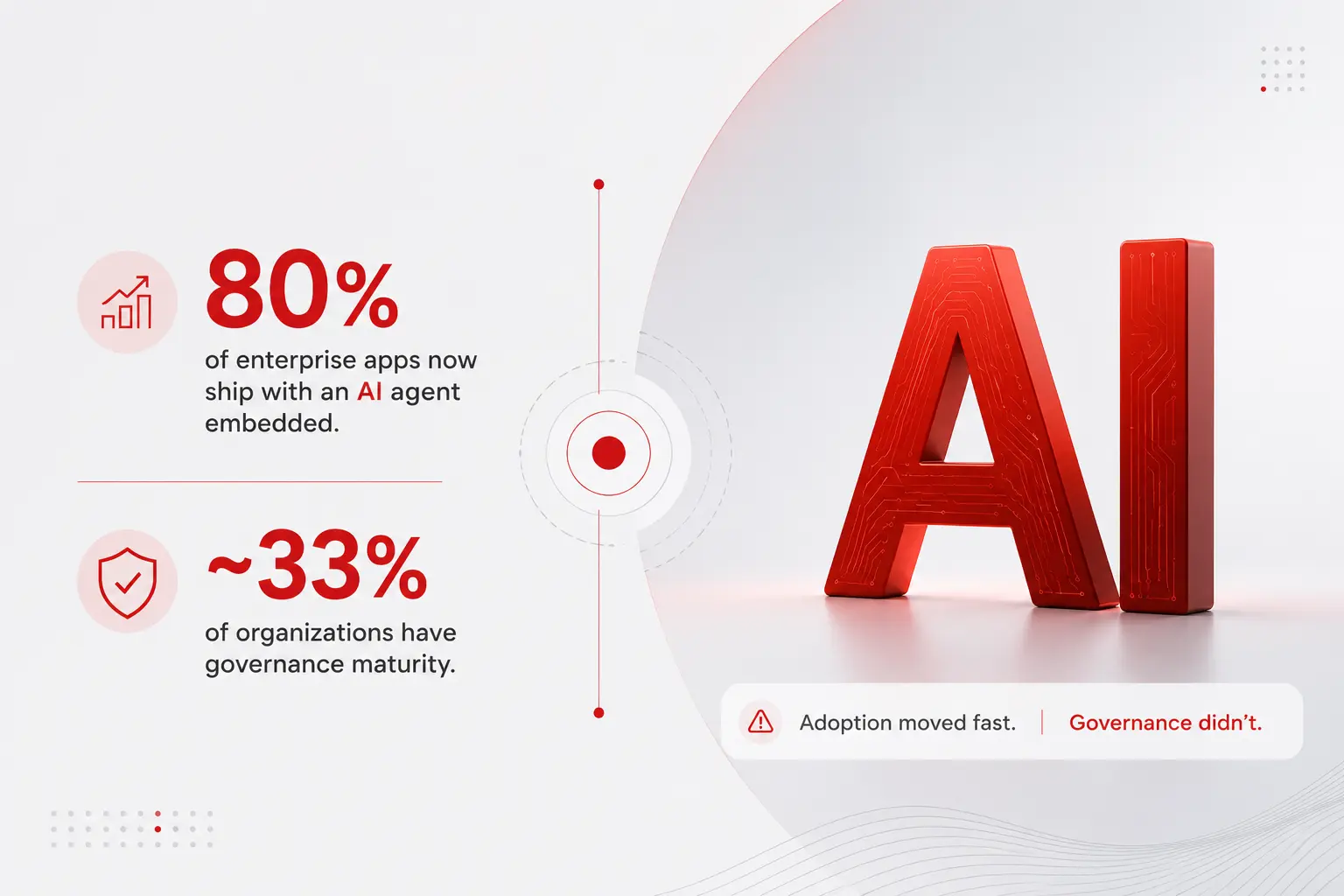
Is agentic AI ready for healthcare and finance is the wrong framing at this point. It is already running in both, at real scale, making decisions that affect real patients and real credit applications. The question worth asking now is narrower and more useful: has the governance around these systems kept pace with how fast […]
 Ecommerce, ERP Integration, Inventory Sync
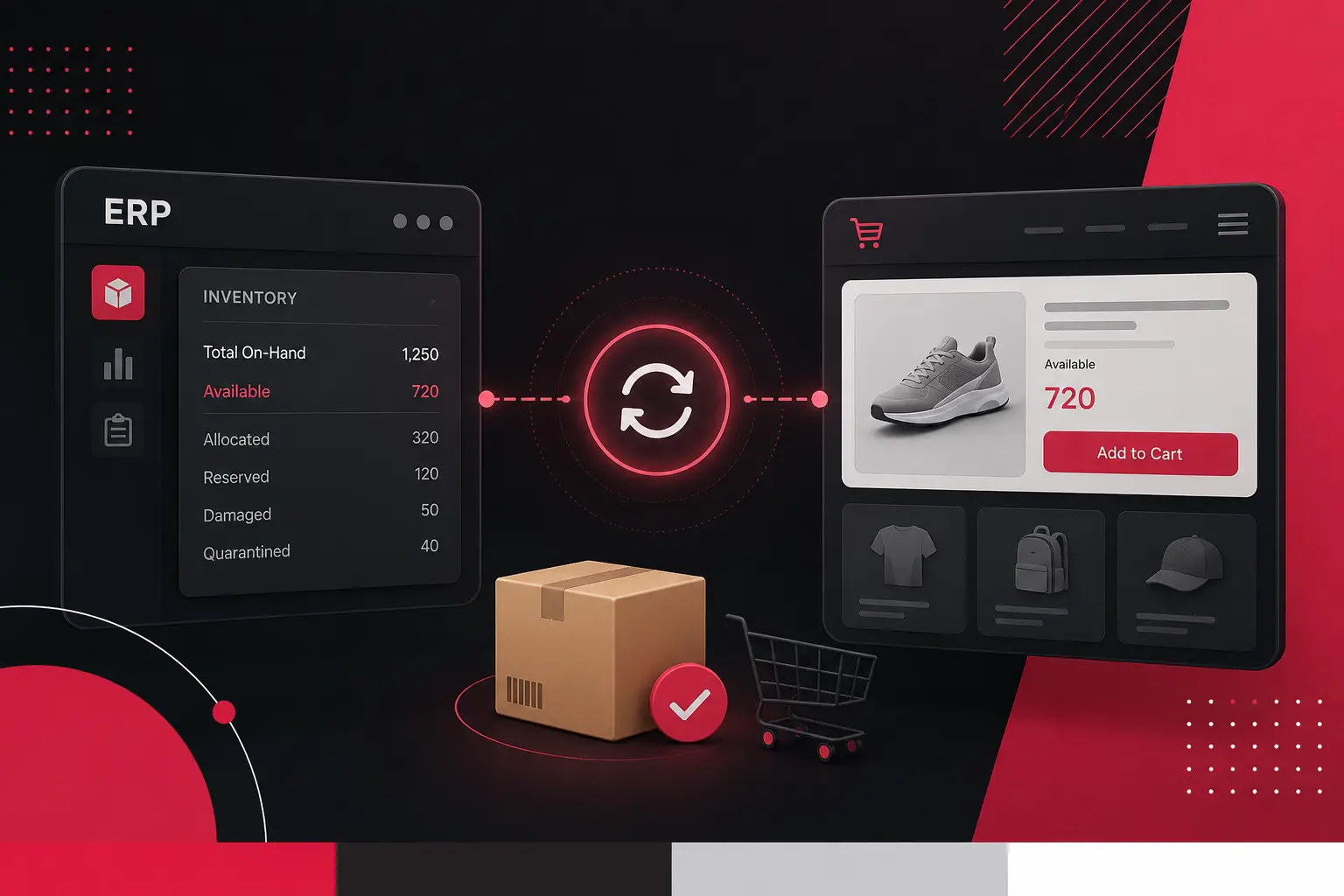
Every scoping conversation about ecommerce-ERP integration starts the same way: sync inventory in real time so the storefront never sells something that is not actually there. It is the right goal, stated slightly wrong. The number that actually needs to move between the two systems is not total inventory, it is available inventory, and the […]