How to Create an Online eCommerce Store or Website?
Jagraj
·
03 Aug, 2026
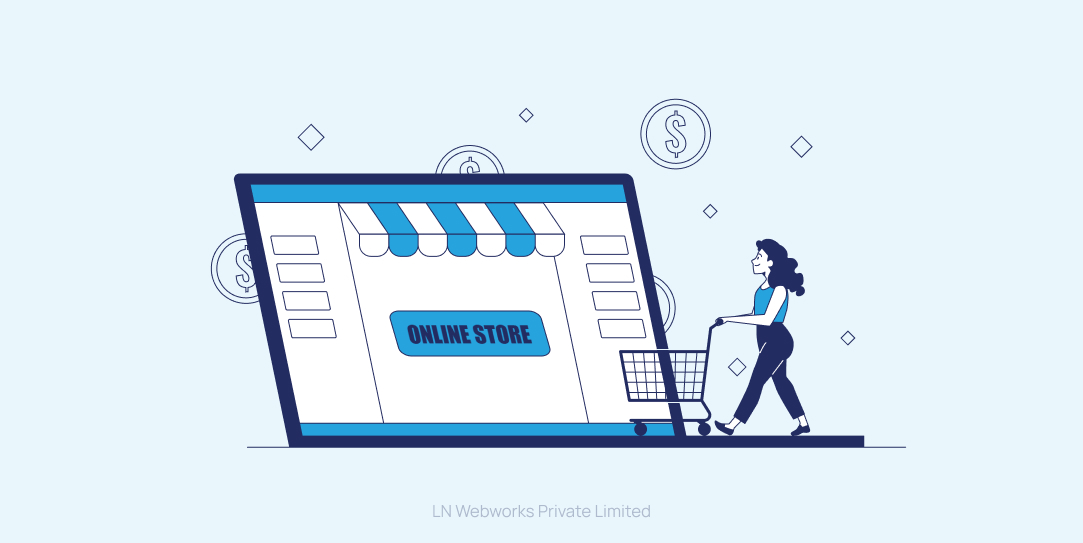
We are the residents of an internet-driven world and no wonder people are more inclined towards online shopping than in-store shopping. According to research, over 2.14 billion people shop online. Besides, 70% of the US population prefers online shopping as it is more convenient. In light of the ecommerce revolution, more and more entrepreneurs are creating online ecommerce websites or stores. Currently, more than 26 million ecommerce websites are available on the internet and more emerge every day.
As an entrepreneur, if you are also planning to join the league by creating an online ecommerce store or website, one thing is certain, to stand apart from the crowd, your website should be nothing less than phenomenal. Developing a splendid online ecommerce store may seem like a daunting task but when you know the right ingredients you are in for effortless success.
Before creating an online ecommerce store or website, it is crucial to take a plunge into the market and understand what the customers need. After all, there is no point in selling something that is not in demand.
Market research refers to the process of gathering, analyzing, and interpreting information about a market, including information about the target audience and competitors. Market research helps you identify the problems bothering consumers and their needs, the earning potential associated with particular products, and the extent of competition you might have to face. All these insights can beacon you on the path toward determining the most profitable niche for your ecommerce store.
So, first of all, get all psyched up to dive into the market and conduct a thorough exploration. There are multitudinous ways to conduct market research such as interviews, focus groups, and competitive analysis. Besides, tools like Google Trends and TrendHunter can also assist you with your market research endeavors.
Depending upon your requirements, you can select the most conducive ways of conducting market research, and pave your way towards establishing a strong foundation for your e-commerce store or website.
After finalizing your niche, it is paramount to ponder over the business model your e-commerce website will focus on. There are five types of business models you can choose from: Business-to-Business (B2B), Business-to-Consumer (B2C), Consumer-to-Consumer (C2C), Consumer-to-Business (C2B), and Government or Public Administration (B2G).
Business models are strategic plans implemented by a company to generate revenue and make a profit from operations. If you wonder how to choose the right business model for your e-commerce store, getting acquainted with all the five can help you make an informed decision.
Ecommerce development platforms enable ecommerce business owners to shape up their websites and sell online. After completing the above-mentioned two steps, it’s time for you to choose a cutting-edge ecommerce development platform. You cannot afford to make a wrong choice at this step as your online store’s long-term success and appeal will be a function of the platform you go for.
Drupal is an open-source content management system known for its flexibility, scalability, and robust security features. According to the current state of affairs, Drupal is the preferred choice of a majority of prestigious organizations worldwide due to its phenomenal features such as top-notch cybersecurity, seamless speed optimization, and mobile compatibility. Lush, Olsson and Gerthel, and Pam Kerr Designs are some world-renowned sites running on Drupal.
If you aspire to move in the footsteps of these eminent websites, Drupal is unarguably the best choice to make.
Hosting and domain name are two integral parts of an ecommerce store or website. In order to intrigue the curiosity of consumers, it is imperative for you to come up with eye-catching hosting and domain names for your e-commerce site. Have you already started pondering over captivating hosting and domain names? If yes, please pause for a second.
Do not jump into the thinking process before getting familiarized with the parameters you should consider while devising the names. It is advisable to go for a unique yet easy name that consumers can memorize in one go. Choosing a domain extension with close proximity to your industry is another crucial consideration you cannot overlook. Besides, do not forget to make your domain name mobile friendly as a majority of consumers engage in online shopping through their smartphones.
After finalizing your hosting and domain name, you’ll have to decide on the templates. Some factors to consider in this regard are mobile-friendliness, the extent of customization available, and SEO friendliness.
To cook the perfect recipe for an ecommerce site, it is crucial to embed all the required ingredients. There are some indispensable elements your ecommerce store or website will require for its basic functioning such as a search bar, wishlist, reviews, shopping cart, payment gateways, shipping options, and product list.
Ensure that your site possesses all these elements without fail. Besides, do not forget to create an easy breezy user interface. Everything should be served right in front of your visitors. They shouldn’t have to spend their time searching for things as it can have disastrous consequences. For instance, if a customer has already decided to make a purchase but cannot find the payment gateway, they are likely to abandon their cart.
No matter how phenomenal your products are, if your ecommerce store doesn’t give an unmatchable performance, you are in for disaster. After all, if your site doesn’t function well, no one is going to spend their time exploring it, and hence, your products won’t even be discovered.
Website performance refers to the speed, stability, and reliability of a website, affecting user experience and search engine rankings. Loading speed is a prominent factor that contributes a fair share in deciding your site’s overall performance. Research suggests that 1 in 2 visitors abandon a site that doesn’t load within 6 seconds. This revelation is indicative of the degree of impact your site’s performance can have on your ecommerce business.
So, analyzing the performance of your website before getting it live is imperative. Wondering what factors to consider when it comes to website performance, the following list will aid you with the process.
Once your online ecommerce store or website is live and running, it is time to publicize it. If your target audience doesn’t know who you are, how are you going to attract them? Right marketing strategies can help you attract swarms of visitors and accomplish thriving success in no time.
According to research, 4.9 billion people are using social media today. By leveraging the power of social media marketing, you can connect with such an enormous customer base. Content marketing is also highly potent when it comes to prompting customers to respond to the call to action.
No doubt, we live in a technologically advanced world, but traditional marketing methods continue to retain their charm and efficacy. Research suggests that even today, SMSs enjoy an open rate of 98% to 99%. Given that, it is wise not to underestimate the power of traditional marketing practices.
The world of e-commerce business is overcast with the clouds of ferocious competition which continue to intensify further every single day. As we live in an internet-driven world whether you like it or not, as an ambitious entrepreneur you’ll have to jump into the arena of e-commerce to future-proof your business.
When it comes to overpowering competition, designing a phenomenal ecommerce store or website is the key. Customers cannot escape the allure of a nimble, captivating, user-friendly, and secure website.
The 7 stepping stones mentioned above will beacon you on the right path to building a phenomenal website. If you find yourself stuck at any point in your journey, feel free to contact LN Webworks, known for offering valuable assistance in terms of ecommerce website development. Get in Touch Now.

 Other, SaaS Development
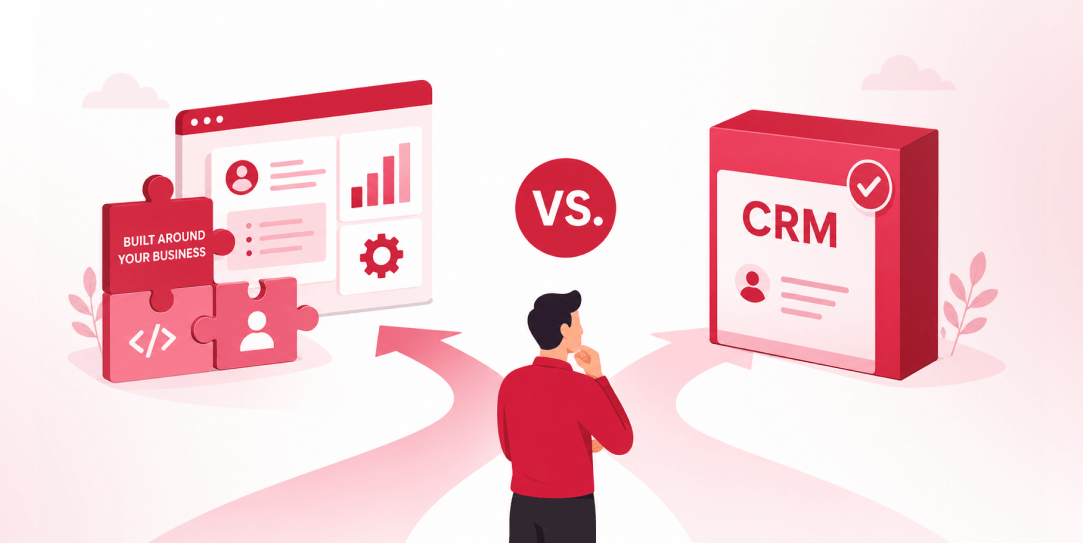
SaaS CRMs win on speed. Custom wins on fit and ownership. This isn’t a pitch for either one. Every early-stage SaaS company hits this decision within the first year, usually right after the founder realizes a spreadsheet isn’t a CRM. The default answer is almost always a SaaS CRM: HubSpot, Salesforce, Zoho, sign up in […]
 Other
Other
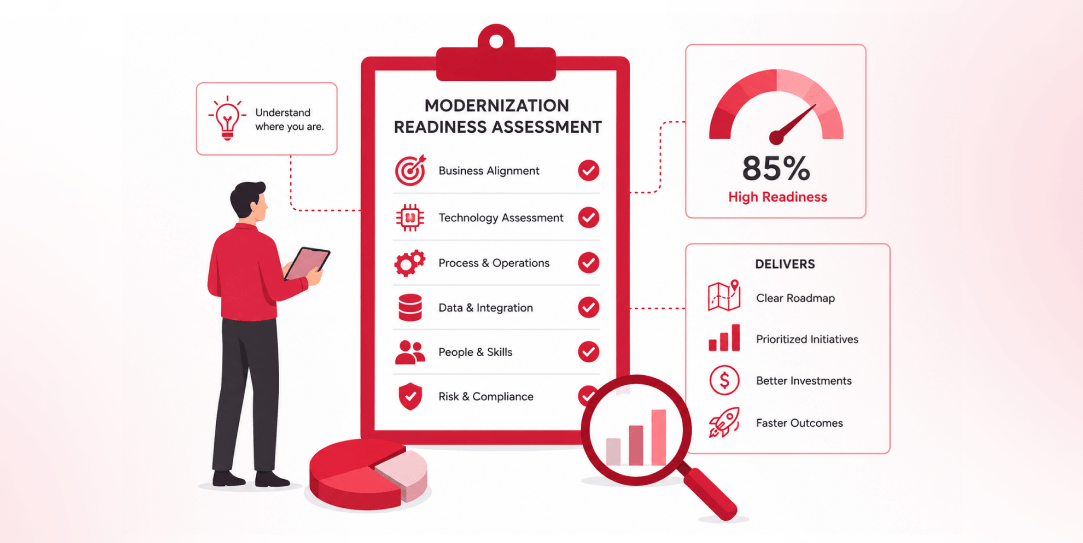
Most “audits” and “assessments” promise clarity but deliver a sales deck with language that lacks clarity. You book the call expecting evidence about your specific platform, and what shows up is a generic pitch for whichever package is easiest for the firm to sell. That’s the actual reason process transparency matters here, not because a […]
 Other
Other
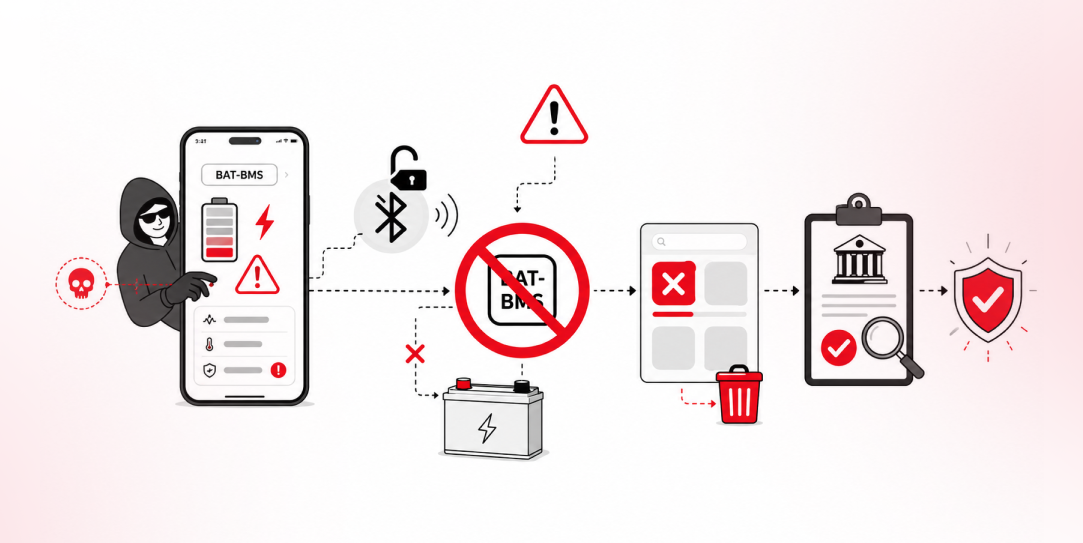
In late June and early July, videos started circulating on Instagram of people walking up to moving e-rickshaws, tapping a phone, and watching the vehicle lose power mid-ride. It spread as a prank trend before anyone fully understood the mechanism. Drivers in Patna (India) reported it first, assuming mechanical failure, until investigators traced it to […]