Comprehensive Guide On Web App Frameworks In 2024

LN Webworks
·
25 Sep, 2026
The role that web frameworks play in the single constant in a web development roadmap. These powerful technologies are the unsung heroes of all the websites, online platform, and interactive web apps we use today.
But first, you need to know what a framework is and how a web app uses it, before indulging into the significance of these frameworks.
A web or web app framework is a pre-assembled collection of software tools, libraries, and best practices that aid the overall web app development process.
It manages several activities and provides an organized method for arranging code, improving development efficiency and maintainability. This simplifies developing websites and online apps by streamlining the web development process.
Because the web app framework provides a uniform development process, using one can ensure that the result has the qualities of scalability, stability, and maintainability.
When it comes to web app framework popularity there are several reasons. Web app frameworks are popular because they offer a methodical approach to creating and managing intricate online applications. They provide:
Tools are pre-built parts that facilitate quick creation.
Using reusable code can significantly reduce the time and effort required for programming.
Updating and debugging are made easier by the well-organized code structure.
A lot of frameworks come with built-in defenses against frequent breaches.
In 2024, any web app framework is regarded as a crucial component of advancement because of the rising standards of other software, applications, and technology. Because of this, they are in high demand everywhere and can quickly assist in creating software that is easy to understand, engaging, and functional. Let’s examine the top ‘web app frameworks 2024’ suitable for all kinds of projects.
A free and open-source JavaScript framework perfect for developing UI for single-page applications. Numerous activities, including dynamic and straightforward operations, online and mobile applications, and creative software, are made possible by the framework.
The platform is designed to solve complicated problems and optimize software performance.
React, often known as ReachJS or React.js, is widely recognized in the IT industry. It is an open-source JavaScript interface library that makes the process of designing original UI elements easier. Some major corporations, including Facebook, have endorsed the concept. It can serve as a foundation for single-page or mobile application development.
Another challenger for the title of the greatest front-end web app framework in 2024 is Angular. Angular was developed by Google and is based on TypeScript. The goal of development is to close the gap between the rapid advancement of technology and the traditional methods that yield outstanding outcomes.
Despite technological advancements, the first front-end platform is still widely used and useful in 2024. The framework reduces the need for developers to write complex JavaScript code by giving them a lightweight and easy-to-use environment to work in. In the event of inquiries or problems, a sizable community is constantly supportive.
An MTV-based framework built with Python. The platform’s primary objective is to offer a tool that will make it easier to construct intricate websites and database-controlled apps. The emphasis is on quick development, little code, and element pluggability and reusability.
Front-end frameworks primarily address customer-side interactivity and the UI, which further supports front-end testing.
They are essential for creating responsive, dynamic, and aesthetically pleasing web applications. Prominent instances of frameworks are Angular, Vue.js, React, and Ember.js. For a wider look beyond frameworks alone, see our roundup of 14 popular frontend technologies for developers.
The main purpose of back-end frameworks is to concentrate on the server-side functionality of web applications. They are in charge of the web apps’ strong security, performance, and data management.
A few well-known backend frameworks are Django, Express.js, Ruby on Rails, ASP.NET, and Spring Boot.
If you haven’t yet explored any of the web app frameworks included in this article, they are all excellent choices to research. The best course of action is to just start exploring the framework, understand the principles, and construct demo apps of interest if you would like to know more about how one works.
As a last note, it is important to emphasize that the industry is changing quickly and that studying different frameworks can only help developers better grasp what constitutes a solid framework.
At LN Webworks, Our experts are ready to guide you in selecting the suitable web framework that will enhance your website’s functionality to new heights. Schedule a consultation today!

 Other, SaaS Development
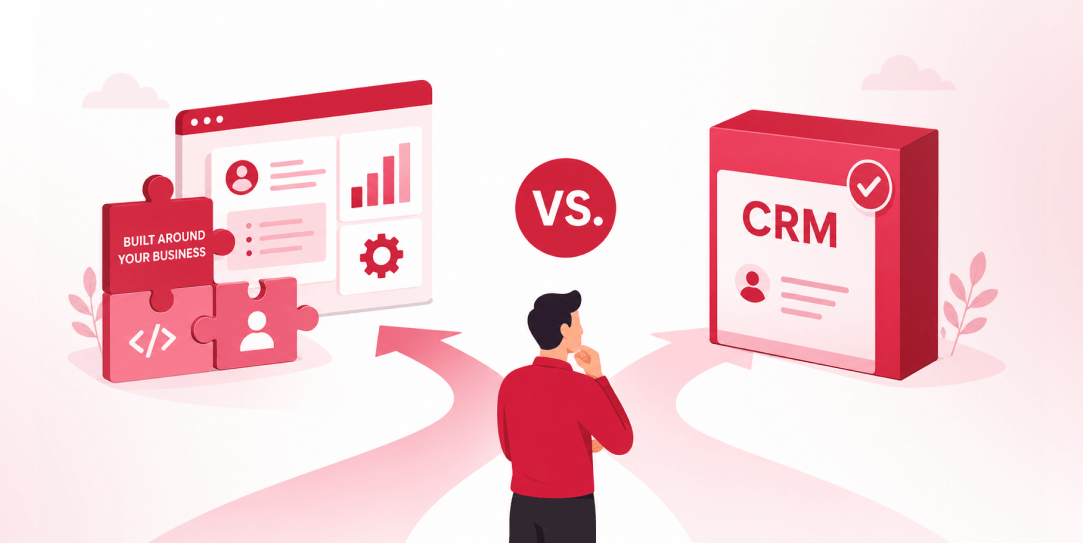
SaaS CRMs win on speed. Custom wins on fit and ownership. This isn’t a pitch for either one. Every early-stage SaaS company hits this decision within the first year, usually right after the founder realizes a spreadsheet isn’t a CRM. The default answer is almost always a SaaS CRM: HubSpot, Salesforce, Zoho, sign up in […]
 Other
Other
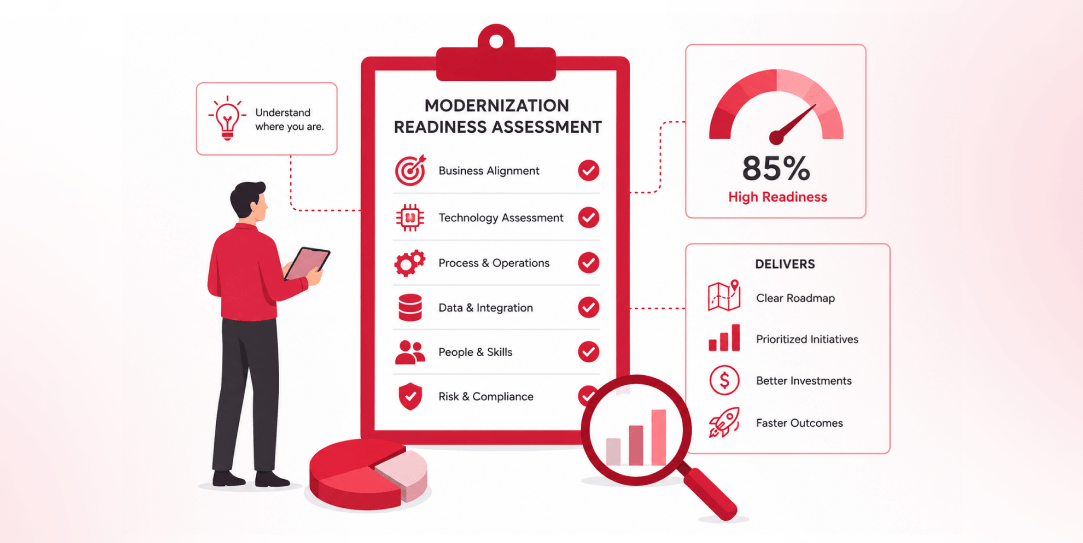
Most “audits” and “assessments” promise clarity but deliver a sales deck with language that lacks clarity. You book the call expecting evidence about your specific platform, and what shows up is a generic pitch for whichever package is easiest for the firm to sell. That’s the actual reason process transparency matters here, not because a […]
 Other
Other
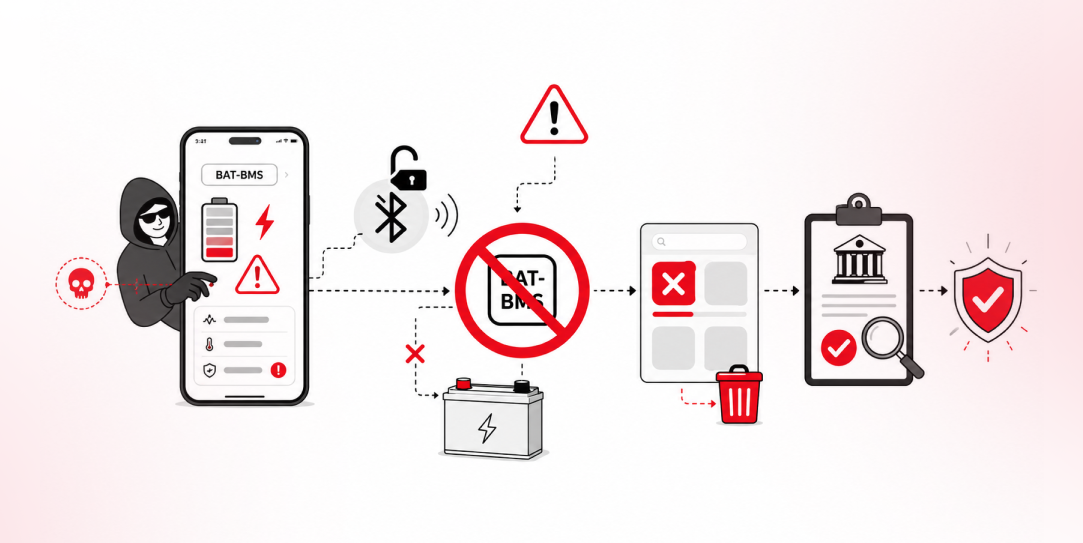
In late June and early July, videos started circulating on Instagram of people walking up to moving e-rickshaws, tapping a phone, and watching the vehicle lose power mid-ride. It spread as a prank trend before anyone fully understood the mechanism. Drivers in Patna (India) reported it first, assuming mechanical failure, until investigators traced it to […]