What to Ask a Platform Partner When Your Traffic Model Just Broke
Hem Kant
·
06 Aug, 2026
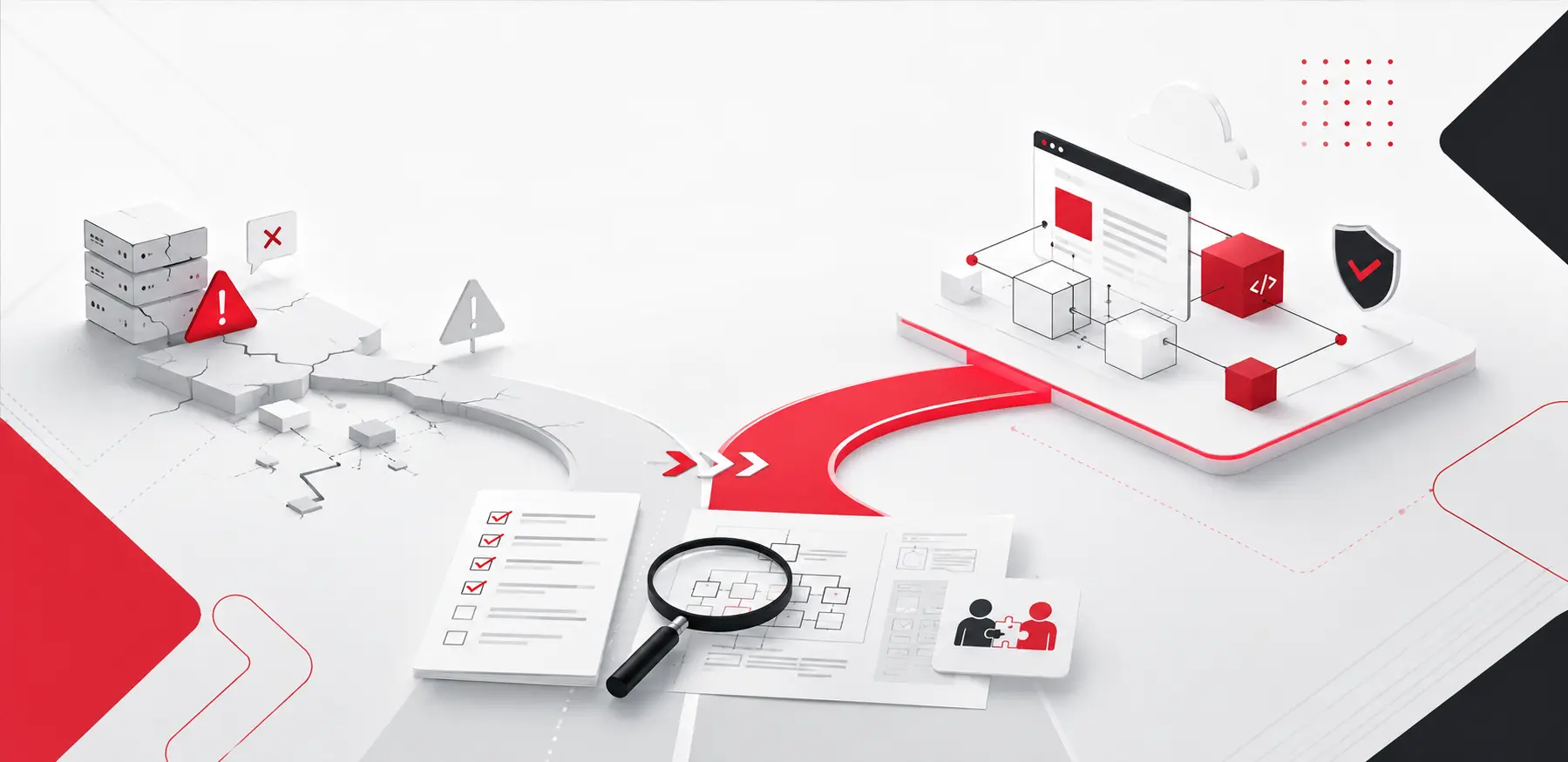
Something breaks, and it breaks in a way that makes the old plan useless. A piece goes viral, and the site buckles under the load. A migration that was supposed to happen quietly during a slow week gets rushed forward because the old platform cannot hold up any longer.
Or nothing dramatic happens at all, referral traffic that used to arrive steadily from search just starts thinning out, month after month, because the way people find content changed, and the platform never adapted.
However it shows up, the result is the same. You are suddenly looking for a new platform partner, usually faster than you would like, and usually a little wary of ending up right back where you started, with a different logo on the invoice.
That wariness is not irrational. Most publishers who go looking for a new technology partner have already been burned by one. A proposal that sounded thorough turned into six months of vague updates. The team that pitched the project was not the team that built it. A fixed quote turned into a string of change orders nobody saw coming.
So the real question is not which vendor has the nicest case studies. It is the questions that actually tell you, before you sign anything, whether you are about to repeat the same mistake.
Not every version of this problem looks the same, and it is worth being specific about which one you actually have, because it changes what a partner needs to be good at. A traffic spike that crashes your infrastructure is a scaling and architecture problem.
A referral collapse from search or AI answer engines is closer to a content and metadata problem. A stalled migration is as much a project management and communication failure as a technical one.
Naming which one you actually have, before you talk to anyone, keeps the conversation grounded instead of turning into a generic pitch about modernization in general.
Most publishers respond to this moment by requesting proposals from two or three agencies and comparing price and timeline. That comparison feels rigorous, but it barely tells you anything, because almost any agency can write an impressive proposal.
What it does not show you is how that agency actually behaves once the contract is signed, when something does not go according to plan, which, on a real project, it eventually will. The questions below are built to surface that, before you have committed to anything.
Ask them to walk you through exactly how they would diagnose your problem, specifically yours, before anyone touches a line of code.
A partner worth hiring can describe, in plain language, what the first two weeks would actually look like: what they would examine, what they would ask your team, and what they would bring back to you.
If the answer is a generic discovery phase lifted from every other proposal you have received, that is not a diagnosis; that is a template.
Ask who is actually doing the work. The person pitching you is frequently not the person building for you, and that gap is where a lot of projects quietly go sideways. Ask for the names and backgrounds of the people who will be on the project day to day, not just the account lead who ran the pitch meeting.
Ask what happens when the fix does not go as planned. Every real platform project hits something nobody anticipated: a dependency that behaves differently in production, data messier than the sample set suggested, a stakeholder who never actually signed off on something everyone assumed was settled.
A partner with a real process can describe how they surface that kind of problem and what they do next. A partner without one will tell you it usually goes smoothly.
Ask how they price the unknowns, not just the known scope. A fixed quote on a platform rebuild is either narrow in scope or hides assumptions somewhere. Ask directly what happens to the price if the diagnosis turns up something bigger than expected, and get that answer in writing before you sign anything.
Ask what you keep control of. Some partners hand back a system your team can actually operate and extend. Others build something only they can touch, which quietly turns a single project into a permanent dependency. Ask specifically who has access to what once the project ends, and what documentation and training come with the handoff.
Ask for one reference where a project went wrong. Every agency has a client who will say only good things. Ask instead for a reference where the project hit a real problem, and ask that client how it actually got resolved. How a partner handles a bad moment tells you more than how they handle a good one.
SAVE THIS FOR YOUR NEXT VENDOR CALL
|
Skipping this evaluation rarely saves time. It just moves the real diagnosis to month three, after the invoice is already running, when a partner finally admits the scope was bigger than the fixed quote assumed.
By then, switching costs more than doing it properly the first time would have, both in money and in the traffic you lost while nobody was actually fixing anything.
We built our own process around most of these questions being asked to us first, largely because we watched enough media and publishing teams get burned by agencies that could not answer them clearly.
None of the six questions above is complicated, and that is sort of the point. A partner who is confident in their process will answer all of them without much hesitation, often before you finish asking.
A partner who gets vague, defensive, or redirects straight to the case studies on their website is telling you something important about what the actual engagement will feel like. Ask before you sign, not after the first invoice.
If your traffic model just broke and you want a straight answer on what actually happened and what it would take to fix it, we are glad to walk through it with you. Bring the six questions with you.

 Legacy Modernization, Platform Strategy
Key Takeaways Modernization is a set of decisions, not a rewrite. For each system you choose one of five moves: keep, wrap, move, rebuild in slices, or retire. Start with a business reason you can write in one sentence, then map what you have before you touch any code. Change small slices while old and […]
 Platform Strategy
The firm that writes your software owns it, unless your contract says otherwise. That is the starting point under US copyright law for software built by an outside firm, and the Copyright Office’s own guidance explains why. It is easy to miss, because nothing in a pitch, a proposal, or an invoice ever brings it […]
 Digital Transformation, Platform Strategy
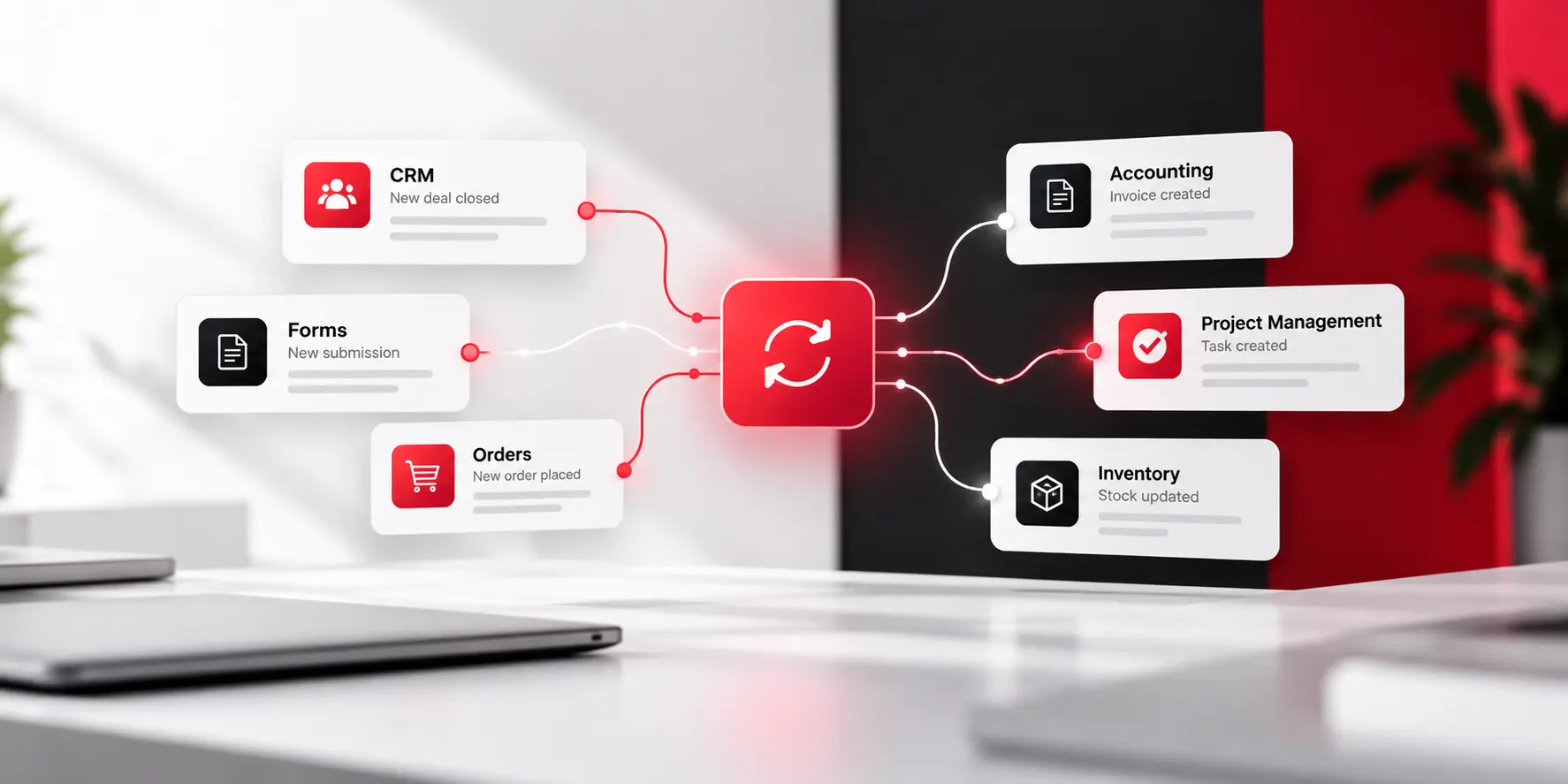
Picture the same Tuesday morning, a few months from now. Someone closes a deal in the CRM. The billing record updates itself in the background. Nobody opens a second tab. Nobody retypes a single detail. That is not a fantasy. It is what actually happens once this problem gets fixed, and it is a smaller […]