Integration Readiness Checklist Before You Sign a New Enterprise Deal
 gagan kumar
·
20 Aug, 2026
gagan kumar
·
20 Aug, 2026
gagan kumar
·
20 Aug, 2026
gagan kumar
·
20 Aug, 2026
An enterprise deal usually gets signed by the people least equipped to know whether it is technically achievable. That is not a criticism of sales; it is how the roles are supposed to work.
But a contract that promises a specific integration timeline, a specific uptime guarantee, or a specific data migration, without engineering confirming any of it first, is a commitment made on faith.
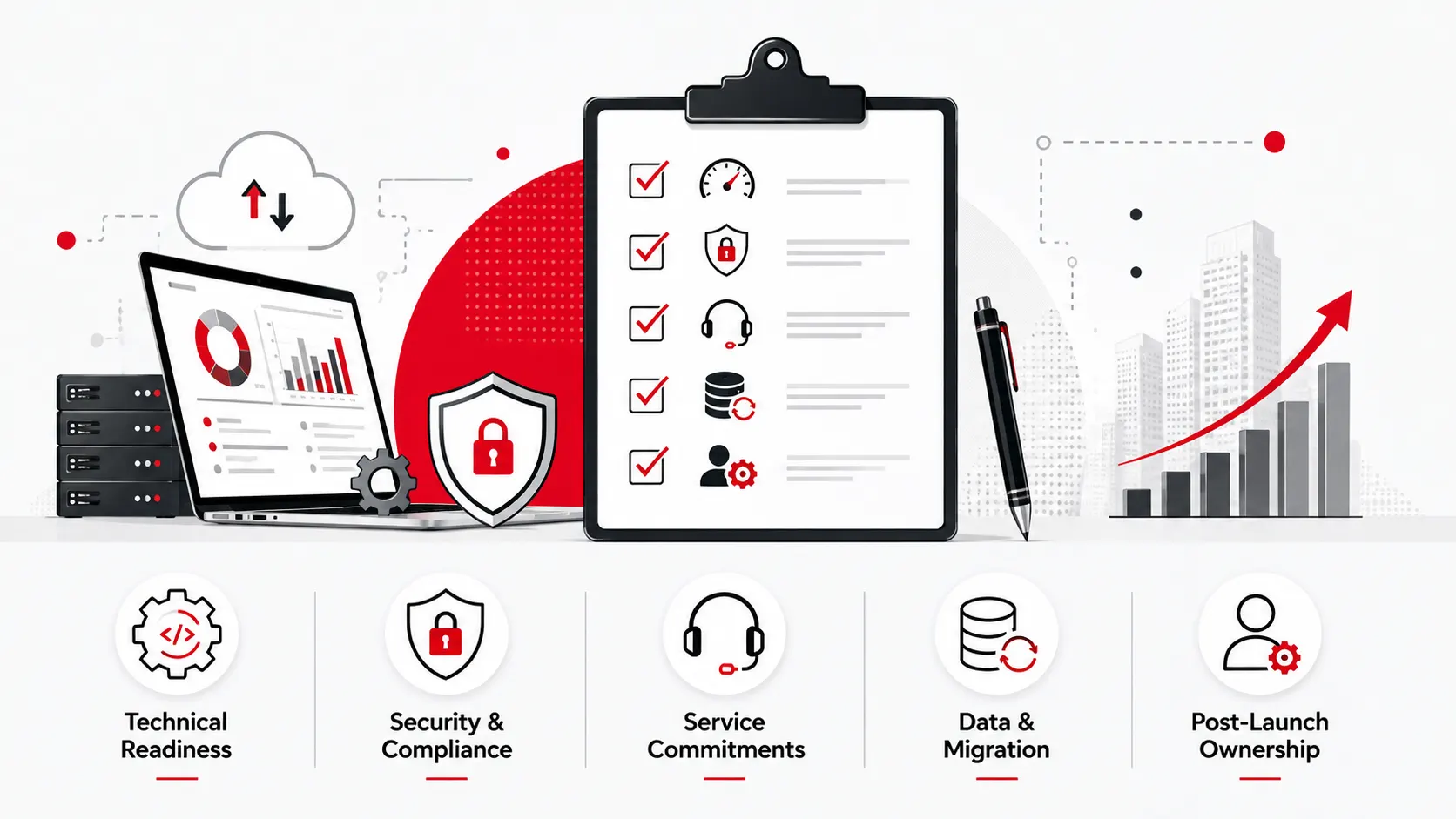
This checklist is what should get run before the signature, not discovered afterward when the delivery date is already fixed.
1. Rate limits and infrastructure can absorb the client’s expected volume
Not the volume in the sales deck, the volume the client will actually generate once fully onboarded, including any batch or bulk operations they have mentioned in passing.
2. The integration pattern is understood, not assumed
Real-time API calls, webhooks, and batch file transfers are three different engineering problems. Confirm which one the client actually needs before quoting a timeline for any of them.
3. Credential scoping and access control are planned, not improvised
Know what the client’s integration will actually need to read and write before granting access broader than that.
4. Required certifications actually exist
SOC 2, ISO 27001, HIPAA, or whatever the client’s security review will ask for. A certification that is “in progress” is not a certification a signed contract can promise.
5. Data residency and processing requirements are confirmed
Some enterprise clients, particularly in regulated industries or specific regions, require data to stay in a specific jurisdiction. Confirm this before signing, not during implementation.
6. A data processing agreement template is ready to go
Legal review of a DPA can take weeks on its own. Starting that conversation after signing adds real delay to a timeline that is already contractual.
7. The promised uptime and support response times are actually achievable
Check this against current infrastructure and current team capacity, not against what sounds competitive in a proposal.
8. Escalation paths for integration-specific incidents are defined
A general support SLA does not automatically cover who gets paged when this specific client’s integration breaks at 2 a.m.
9. The real volume and condition of data to be migrated has been reviewed, not estimated
A sample of the client’s actual data, not a description of it, is the only reliable way to know what migration will really involve.
10. A rollback plan exists if the migration does not go as expected
Confirm this before the migration starts, not while it is already failing.
11. Someone specific owns this integration once it is live
Not “the team,” a named person or role, documented, so schema changes get checked against it, and monitoring does not quietly lapse once the launch excitement fades.
12. The process for future change requests from this client is defined
Enterprise clients rarely stay static. Decide now whether change requests go through a formal scoping process or get absorbed informally, because informal is how scope creep starts.
None of these items are exotic. Most sales and engineering teams already know they matter. What actually happens is that deal timelines compress the review into an afterthought: the contract gets signed against a rough estimate, and the specific technical review that should have shaped that estimate happens after the deadline is already fixed.
Rate limits that cannot absorb the client’s real volume, security requirements nobody confirmed in advance, data migration scope that was guessed rather than sampled- all of it surfaces during implementation instead of during scoping, at which point the fix is a renegotiated timeline nobody wanted to have.
The checklist above is not a slowdown. Running it properly usually takes a few days, well inside a normal enterprise sales cycle, and it is the difference between a deadline the team can actually hit and one that was optimistic the moment it was written down.
It is also the same discipline behind the governance work in how a growing SaaS platform should govern its APIs: rate limits, scoped credentials, and a clear ownership model are not things you improvise per client; they are the infrastructure that makes a “yes” to a new enterprise deal actually safe to give.
The teams that run this checklist consistently tend to share one habit: they treat it as a standing step in the sales process, not a special review reserved for unusually large deals.
A mid-size contract with a tight integration timeline can strain a team just as badly as a marquee enterprise logo can, and the checklist does not know the difference between the two. Making it routine, rather than something someone remembers to ask for occasionally, is what actually keeps it from getting skipped under deadline pressure.
If you want a second set of eyes on a specific enterprise deal before you sign it, that conversation is worth having early. Book a Discovery Call, and we will help you stress-test the commitment before the contract does it for you.
 Legacy Modernization, Platform Strategy
Key Takeaways Modernization is a set of decisions, not a rewrite. For each system you choose one of five moves: keep, wrap, move, rebuild in slices, or retire. Start with a business reason you can write in one sentence, then map what you have before you touch any code. Change small slices while old and […]
 Platform Strategy
The firm that writes your software owns it, unless your contract says otherwise. That is the starting point under US copyright law for software built by an outside firm, and the Copyright Office’s own guidance explains why. It is easy to miss, because nothing in a pitch, a proposal, or an invoice ever brings it […]
 Digital Transformation, Platform Strategy
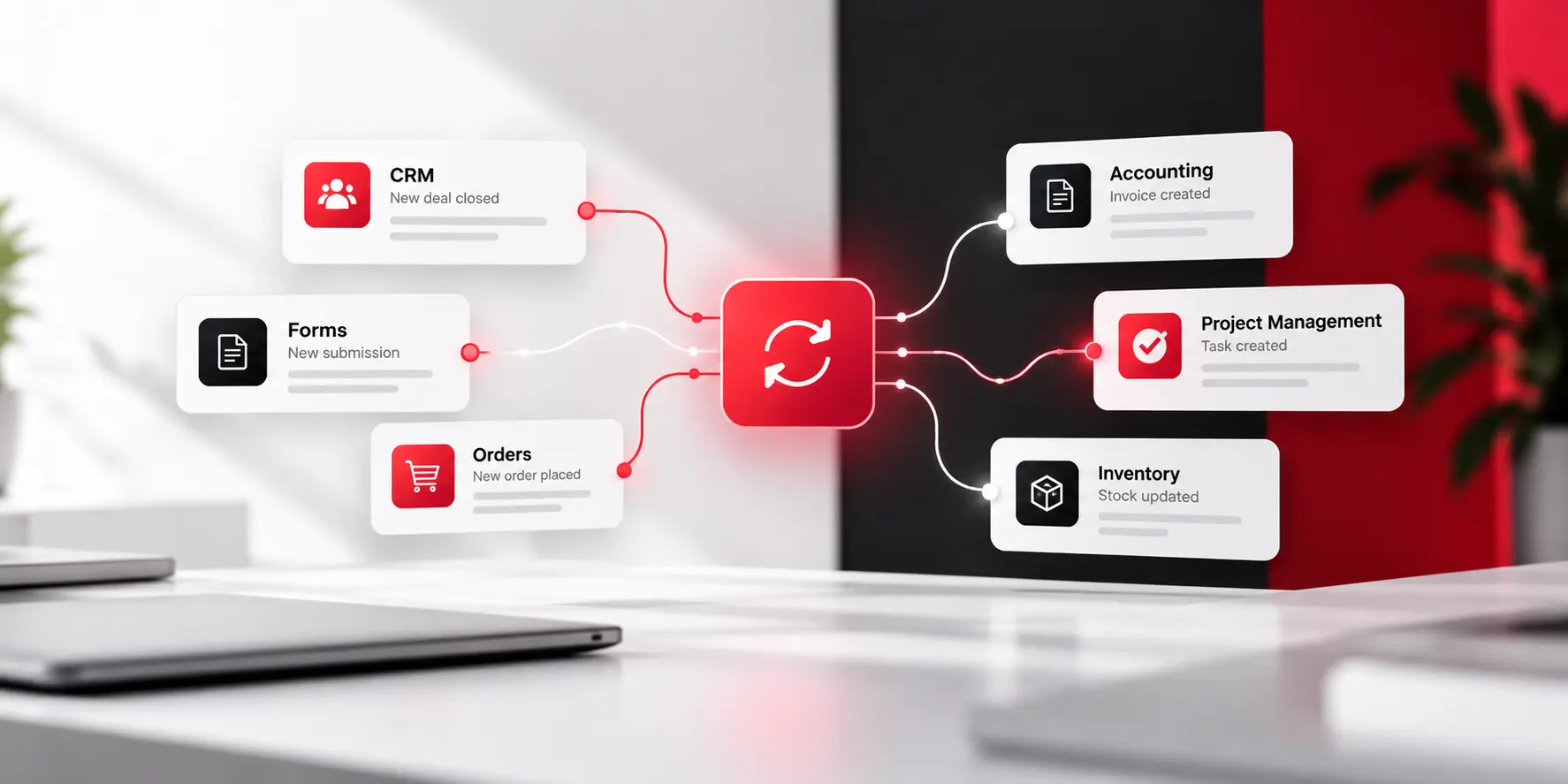
Picture the same Tuesday morning, a few months from now. Someone closes a deal in the CRM. The billing record updates itself in the background. Nobody opens a second tab. Nobody retypes a single detail. That is not a fantasy. It is what actually happens once this problem gets fixed, and it is a smaller […]