Best Headless ECommerce Platforms In 2025
 Khushboo Arora
·
29 Jun, 2026
Khushboo Arora
·
29 Jun, 2026
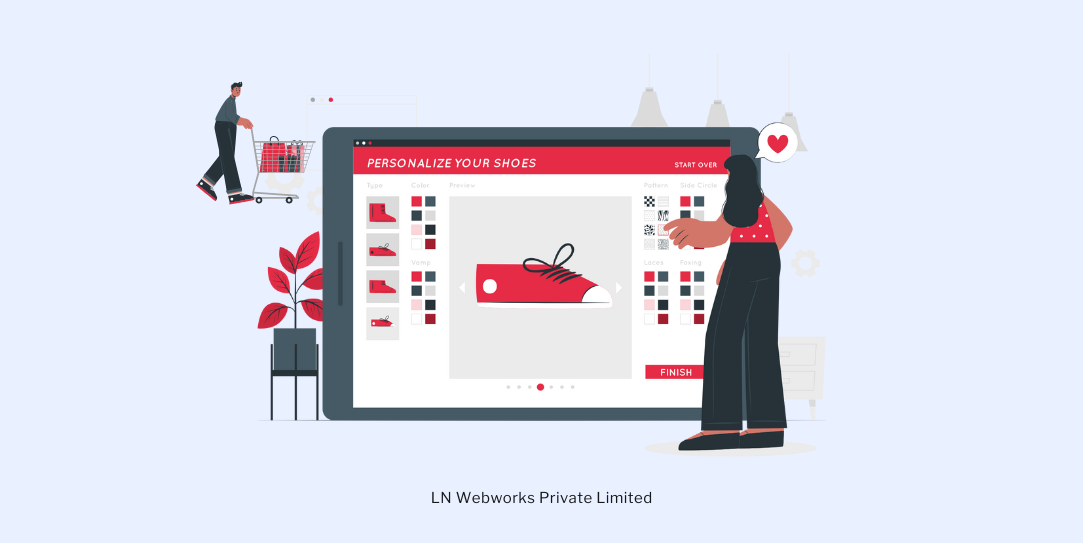
Can you think of a world where your online store can adapt to any device, any screen, and any customer interaction seamlessly? Well, it’s possible. All you need to do is ditch the traditional web platforms and embrace the world of headless eCommerce platforms.
eCommerce is here to stay and this can be proven by numbers as well. As per Statista, global retail eCommerce sales will cross more than $6 billion for the first time in 2024. This does not end here. By 2025, eCommerce sales will reach more than $8 billion. Thus, choosing the right eCommerce platform is a big decision.
In this blog, we’ll delve deeper into the best headless CMS for eCommerce that provides businesses with the flexibility to create unique online shopping experiences.
These platforms enable you to make alterations to the customer-facing side of your eCommerce store without having to touch the administrative back-end processes controlling shopping carts, shipping orders, and tax calculations.
So, let’s get started and understand the concept, benefits, and some of the best headless CMS for eCommerce.
What is a Headless eCommerce Platform?
A headless eCommerce platform separates the frontend presentation layer from the back-end functionality. This decoupling provides these platforms flexibility and customization in how your online store looks and feels.
Headless CMS tools offer more flexibility and scalability to design the customer-facing portion of your platform while maintaining a robust back-end as compared to the traditional platforms.
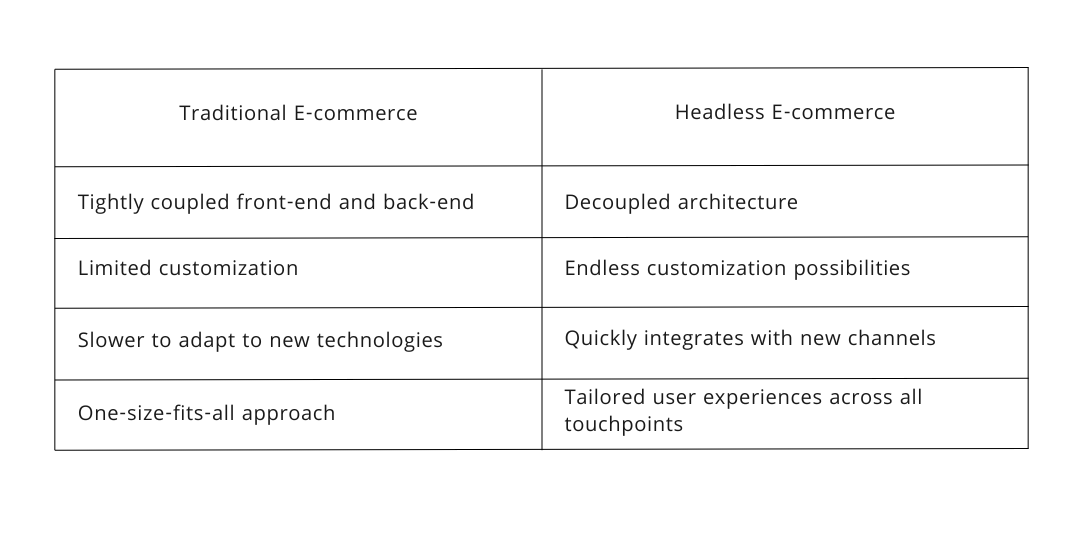
In a traditional eCommerce platform setup, the back and front ends are tied together. Thus, any minor change you make in the front end would require some back-end tinkering as well. This is where headless CMS takes charge by letting you control all the aspects of your site’s back-end and publish content across platforms.
Difference Between Traditional and Headless eCommerce Platforms
Here are the major points of difference between these two eCommerce platforms-
Benefits of Using Headless eCommerce Platforms
Below mentioned are some of the advantages of using headless eCommerce platforms-
1. Improved speed and performance
In the world of online shopping, every second counts for your customer. Headless architecture decouples the frontend presentation layer from backend operations. This enables faster load times and easy navigation which reduces bounce rates and cart abandonment significantly.
To get the most out of your headless platform, also consider optimizing your ecommerce site performance from the ground up.
2. Enhanced Omnichannel capabilities
Today, all customers expect a seamless experience across all channels, such as mobile apps, social media platforms, live chat, etc.
Headless eCommerce enables you to push content and products to any frontend, which maintains brand consistency while enabling channel-specific optimizations.
3. Scalability
It is essential to opt for a platform that can grow with you. With the headless eCommerce tool, your backend remains secure and stable while you make changes in the frontend.
This separation allows for better scalability and handling of traffic spikes during peak seasons without breaking a sweat.
4. Unparalleled flexibility and customization
Using headless eCommerce, you have complete freedom to create unique, brand-specific experiences across multiple touchpoints. You are no longer confined to using brand-specific templates or rigid designs.
Furthermore, it also enables you to do quick A/B testing, personalization, and localization, letting you stay ahead in the competitive eCommerce landscape. Personalization becomes far more powerful on a headless setup -here’s how top brands use it to drive repeat purchases.
5. Software integrations
Headless eCommerce platform provides you with the option to integrate various other software into your eCommerce site that enables you to take benefit of new opportunities to expand your business.
Best Headless CMS for eCommerce
Choosing the right platform for your business can be an overwhelming task. To make it easy, we have mentioned some of the best headless cms for eCommerce, along with their feature, pros, and cons-
1. Adobe Commerce
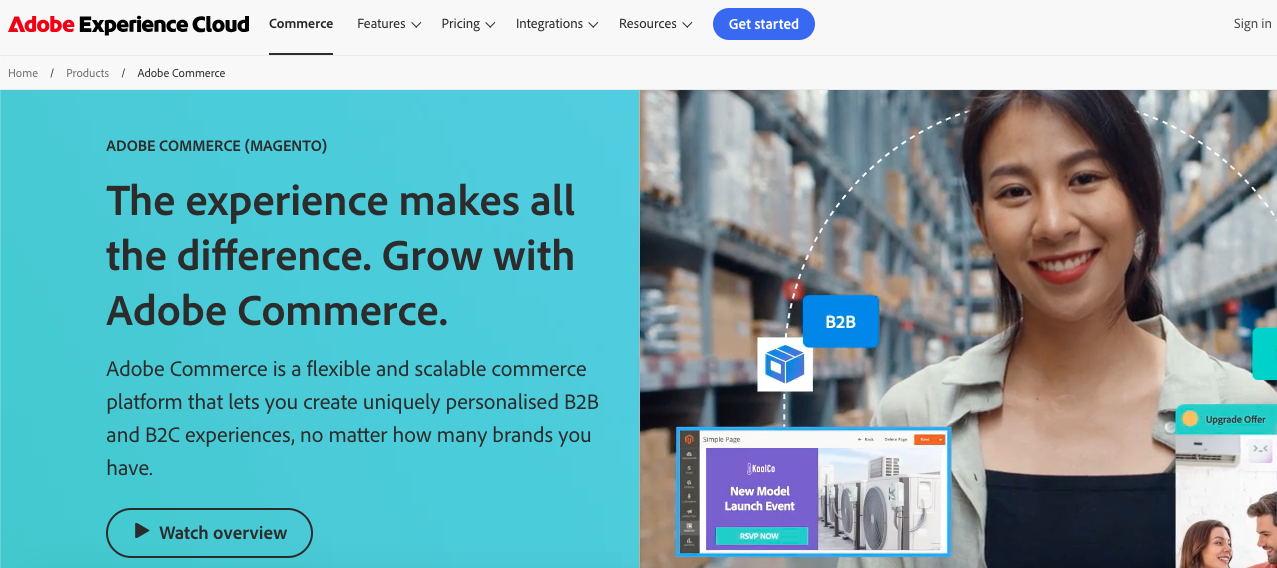
Adobe Commerce was initially known as Magento. It is an open-source solution with advanced content management features. You can host it both on-premise or cloud-hosted as a Platform-as-a-Service solution known as Adobe Commerce Cloud.
Features:
- Offers flexibility so that anyone can make changes to the platform to meet their particular requirements
- Provides a seamless experience across mobile, desktop, and even in-store interactions
- It’s Adobe Sensei AI analyzes customer behavior to offer personalized product recommendations
Pros:
- Enables you to create progressive web applications using the PWA Studio
- It’s scalable SaaS version integrates with Adobe products such as Marketo, Experience Manager, and Adobe Creative Cloud
Cons:
- It’s powerful, but not always beginner-friendly
- Relatively expensive than some alternatives, especially when factoring in hosting and development costs
2. Shopify
Shopify is one of the best eCommerce SaaS platforms, with over 1.75 million live stories. It offers extensive API support, advanced automation tools, handles PCI compliance, security, advanced commerce features and customizable checkout experiences.
Features:
- Offers over 8,000 integrated apps to add additional features to your eCommerce store
- Shopify’s powerful API allows developers to build custom storefronts using any programming language or framework.
- Renders Level 1 PCI DSS compliance to process debit and credit card
Pros:
- Excels in handling high-volume transactions
- Robust back-end options, such as high-speed performance, omnichannel selling, etc
Cons:
- May take longer to set up compared to traditional e-commerce solutions
- Lacks multi-vendor functionality
3. BigCommerce
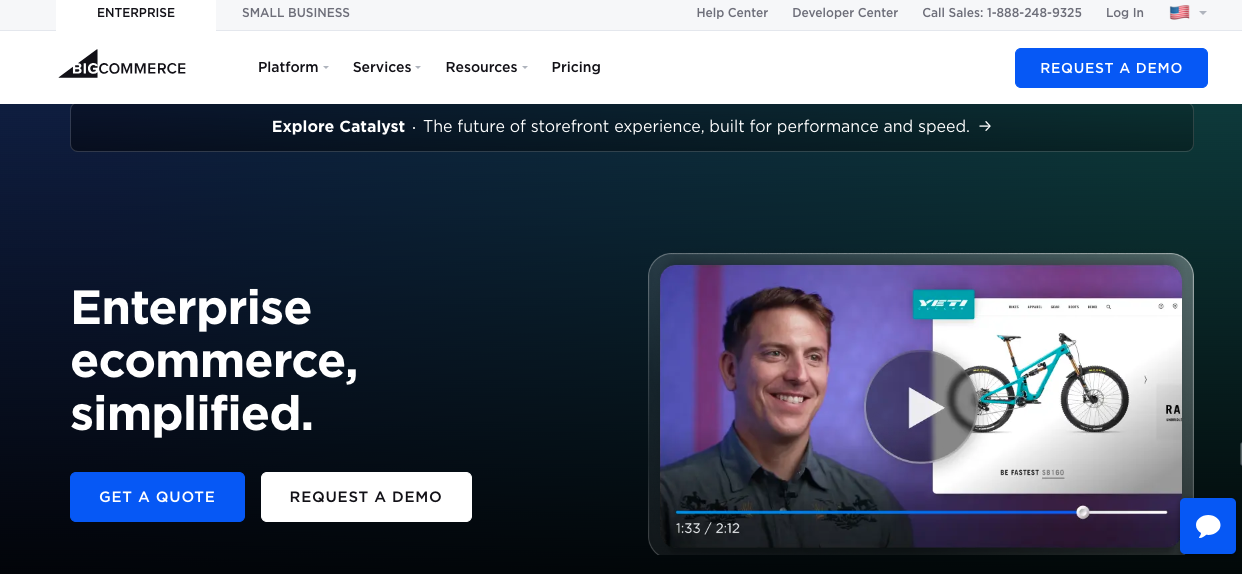
BigCommerce is an open SaaS eCommerce platform best suited for mid-market and enterprise brands. This platform comes with advanced SEO tools and multi-channel selling features, plus it is also known for being safe and secure. It also offers various advanced functionalities for growing your business, such as multi-storefront, B2B Edition, and BOPIS.
Features:
- Allow adding unlimited physical or digital goods into the catalog
- Come with a drag-and-drop page builder with customizable themes and built-in mobile responsiveness
- Provides omnichannel selling support
Pros:
- Offers round-the-clock support
- Supports tools for payments, inventory, and marketing
Cons:
- Does not offer multi-language support
- Not recommended for highly customized workflows
4. Salesforce Commerce Cloud
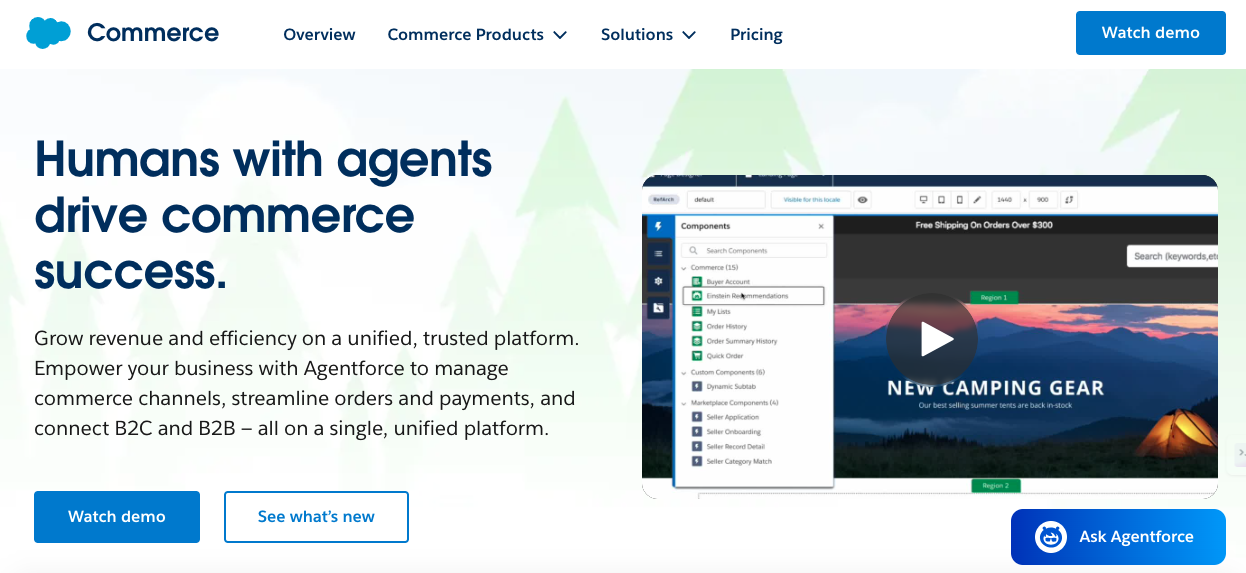
Salesforce Commerce Cloud was formerly known as Demandware. It offers numerous AI-driven features and comprehensive integration with the Salesforce ecosystem. This platform lets businesses control their sales in digital and physical channels with one sole solution.
It’s API-focused approach creates seamless frontend user interfaces along with maintaining flexibility with the back-end features.
Features:
- It’s Einstein AI feature helps you deliver hyper-personalized shopping experiences
- Customer 360 feature can manage customer data across marketing, sales, and service
- Offers automatic and flawless upgrades without interrupting business processes
Pros:
- Seamlessly connects online and offline experiences
- Supports multiple currencies and languages
Cons:
- Small businesses might find the platform’s capabilities excessive
- Very expensive as an implementation, this tool in your organization can easily cost around 250k
5. Commercetools
Commercetools is one of the best headless cms for eCommerce where the frontend and backend of an application are separated, and they communicate through an API. This makes it a quick and easy set up that does not need any highly skilled developers to get a store up and running.
Features:
- Its architecture is based on the MACH philosophy (Microservice-based, API-first, Cloud-native, and Headless.
- Enables you to create or upgrade your infrastructure quickly and seamlessly
- Leverages the full power of cloud computing by offering scalability, reliability, and global reach
- Offers robust tools for creating personalized shopping experiences based on customer data and behavior
Pros:
- Provides full API support; you would not need SQL
- Offers built-in multi-language and multi-currency support
Cons:
- You would need a development team to build and maintain the site
- Relatively expensive to update and maintain
6. Fabric
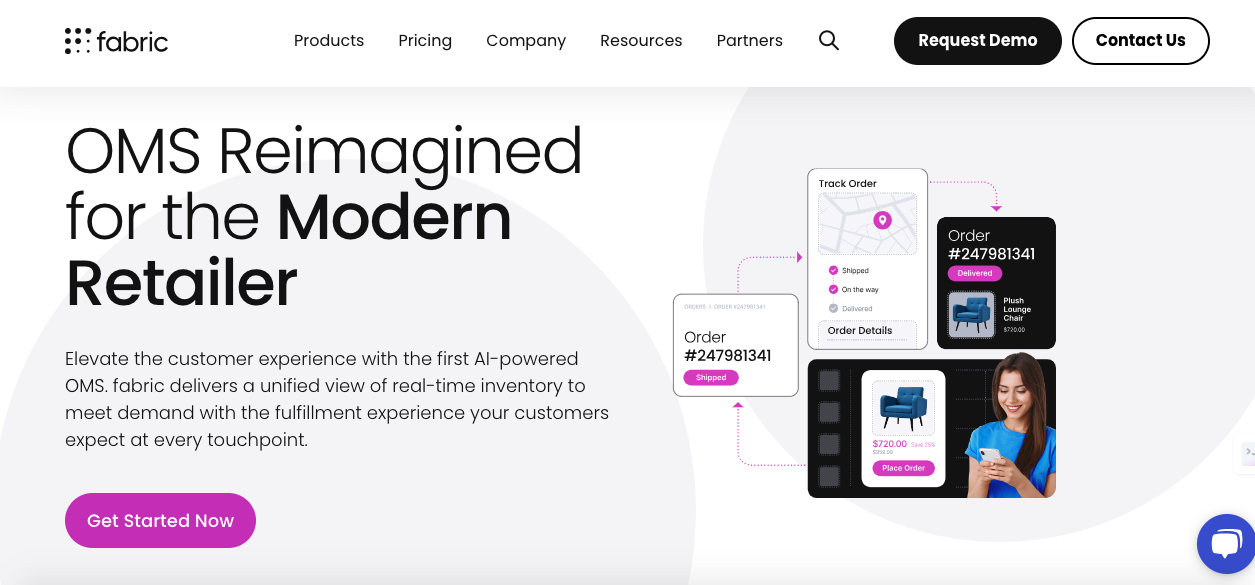
Fabric is a flexible platform designed especially for modern eCommerce operations. Using this platform you can optimize your customer’s journey, starting from merchandising to fulfillment, without using developer resources.
It’s robust API ecosystem ensures seamless integration with any frontend framework, giving developers the freedom to create unique shopping experiences.
Features:
- Each component of the eCommerce stack is modular, enabling businesses to adopt what they need
- It lets you personalize eCommerce experiences such as adding products to a cart, verifying promotions, and retrieving huge amounts of data
- Offers the option to take orders from numerous channels
Pros:
- It’s headless architecture complies with GNC’s strategic omnichannel methodology
- Secure and scalable eCommerce platform
Cons:
- Reporting capabilities aren’t that great
- It is not compatible with mobile deployment
Summing Up
As we look towards 2025, the eCommerce landscape will demand solutions that are not just powerful but also adaptable and future-ready. This is what these best headless cms for eCommerce do for you.
Whether you’re a startup or an established brand aiming to stay ahead of your competitors, headless platforms offer the best features and infrastructure to turn your vision into reality.
You can also leverage the expertise of website development companies while setting up the eCommerce platform, as they can bring a wealth of technical knowledge, illuminating the path forward. Furthermore, opting for web development services can also help create harmony between your existing systems and your new headless platform.
FAQs
What to look for in a headless eCommerce platform?
Check out these points while choosing a headless eCommerce platform-
- Integration capabilities
- Content modeling capabilities
- Payment gateway integration
- Workflow enhancements architecture
- Customer support
- Security
- Cost
Which CMS supports headless eCommerce integrations?
Some of the best CMS that support headless eCommerce integrations are-
- Contentful
- Adobe experience manager
- Amplience
- Acquia
- Kentico
Author