Best AI Tools for Ecommerce to Grow Your Business in 2026
LN Webworks
·
06 Jul, 2026
Running an ecommerce business means juggling an endless list of product uploads, inventory, support, personalization, page speed, marketing, and SEO. What has changed since 2024 is not the list, but who is doing the work.
AI has evolved from merely drafting product descriptions to becoming an operator that resolves support tickets end to end, adjusts pricing in real time, and is even beginning to complete purchases itself. Here’s our refreshed take on the best AI tools for ecommerce 2026, the ecommerce AI trends 2026 worth watching, and what to actually look for before adding another tool to your stack.
AI refers to Artificial Intelligence, which is the simulation of human intelligence processes by machines, especially computer systems. A few numbers tell the story:
The takeaway: AI tools are not just saving your team time anymore. They are deciding whether your products get found and selected by the AI agents your customers are starting to shop through.
The old checklist still holds integration, scalability, ROI but two questions matter more than they did in 2024.
Does it integrate with your stack?
CMS, CRM, ecommerce platform, analytics check compatibility first.
Does it act, or just report?
The strongest tools in 2026 resolve tickets, update orders, and adjust campaigns on their own not just hand you a dashboard.
Can it scale?
It should hold up during peak traffic without needing replacement a year in.
Does it solve your actual bottleneck?
Support automation, personalization, forecasting, and content are different problems. Do not buy a generalist tool for a specific one.
Is your product data ready for it?
Even the best AI tool is blind if your catalog is not structured well enough for it or an AI shopping agent to read.
Shopify Magic & Sidekick Built into Shopify at no extra cost. Generates product descriptions and email copy, edits product images, drafts Inbox replies. Sidekick runs store tasks discount codes, sales trend analysis, theme tweaks from plain language requests. Not the strongest in any one category, but the fastest starting point if you’re already on Shopify.
Klaviyo AI Still the dominant AI email and SMS platform for ecommerce. Predicts next purchase dates, flags churn risk, and runs abandoned cart, welcome, and win back flows automatically. Email remains the highest ROI marketing channel for most stores, and Klaviyo is the reason why.
Fin and similar AI support agents Customer facing AI has matured the most since 2024. Fin resolves support end to end refunds, address updates, tracking by connecting directly to order and fulfillment systems, not just answering FAQs. Judge it on resolution rate, not response speed.
Yotpo Discover A genuinely new category: tracking and improving how your brand shows up inside AI generated answers. As generative answers replace results pages, this is becoming its own discipline AEO (Answer Engine Optimization) or GEO.
Jasper AI Still a solid pick for scaling content descriptions, blog posts, ad copy with brand voice training from your own assets. A reliable workhorse now, not a novelty. Still needs a human pass for accuracy.
Wisepops Onsite personalization that’s moved past “recommend similar products” into real time abandonment prediction, scoring each session and stepping in at the moment of highest drop off risk.
Prisync Automated competitor price tracking and demand forecasting. Two of the highest ROI, most under-adopted AI categories right now most brands have gone all in on support and personalization and left pricing manual.
Agentic commerce refers to the use of AI agents to perform shopping activities on behalf of consumers, such as discovering, comparing, and purchasing products. This trend did not exist in the 2024 version of this post, and now it shapes almost every AI decision in ecommerce.
Instead of a shopper browsing your site directly, an AI agent inside ChatGPT, Google’s AI Mode, Microsoft Copilot, or Perplexity handles the discovery, comparison, and increasingly the checkout on the customer’s behalf.
Why it matters right now:
What it means for your store: Being findable now overlaps with being executable by a machine. That means clean, accurate product, pricing, and inventory data because AI agents skip incomplete listings far more readily than a human ever would.
Start with your actual bottleneck, not a vague goal. “Improve customer service” is not one; “we’re losing 10 hours a week to repetitive tickets” is.
Look at total cost, not just the subscription. Implementation time, training, and clean data all factor in a lot of AI tools underperform simply because the underlying product data is not ready for them.
Favor tools that talk to each other. The best stacks in 2026 are not the ones with the most tools they’re the ones where data actually flows between them.
And do not skip AI search visibility. A strong content and support stack will not matter if your product pages are not structured well enough for AI agents to read and recommend them.
In 2024, AI tools mostly saved time on content and answered customer questions. In 2026, the winners are the tools that act on their own and the brands whose product data is clean enough for AI agents to find, understand, and recommend. A growing share of shopping decisions now start, and increasingly end, inside an AI conversation rather than on your homepage.
Getting ready for that shift takes more than new software it means rethinking how your website, content, and product data are structured from the ground up.
LN Webworks helps ecommerce businesses build websites and content strategies designed for how customers and AI agents discover and evaluate products today. Contact LN Webworks for a personalized, AI ready strategy.

 Other, SaaS Development
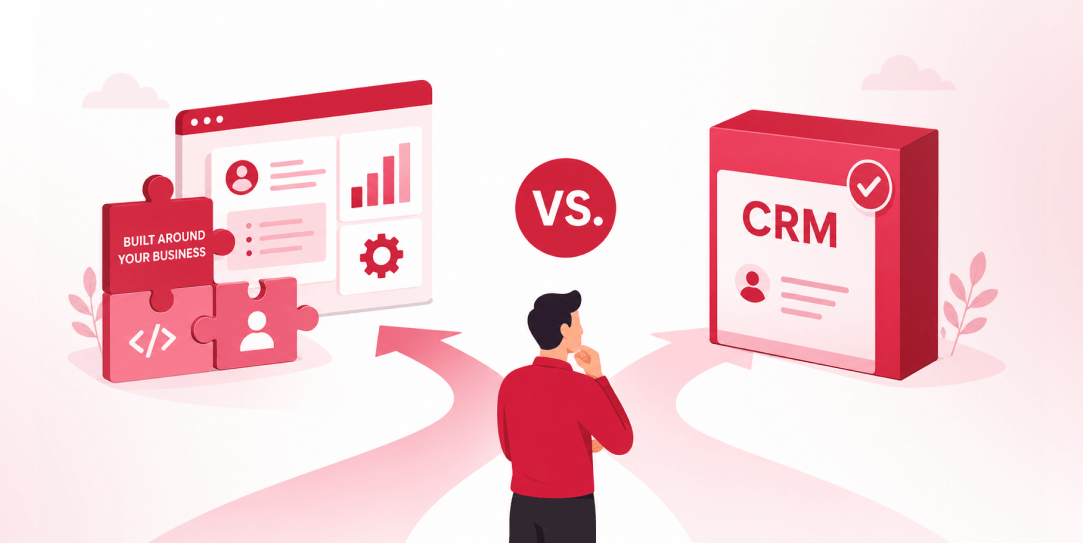
SaaS CRMs win on speed. Custom wins on fit and ownership. This isn’t a pitch for either one. Every early-stage SaaS company hits this decision within the first year, usually right after the founder realizes a spreadsheet isn’t a CRM. The default answer is almost always a SaaS CRM: HubSpot, Salesforce, Zoho, sign up in […]
 Other
Other
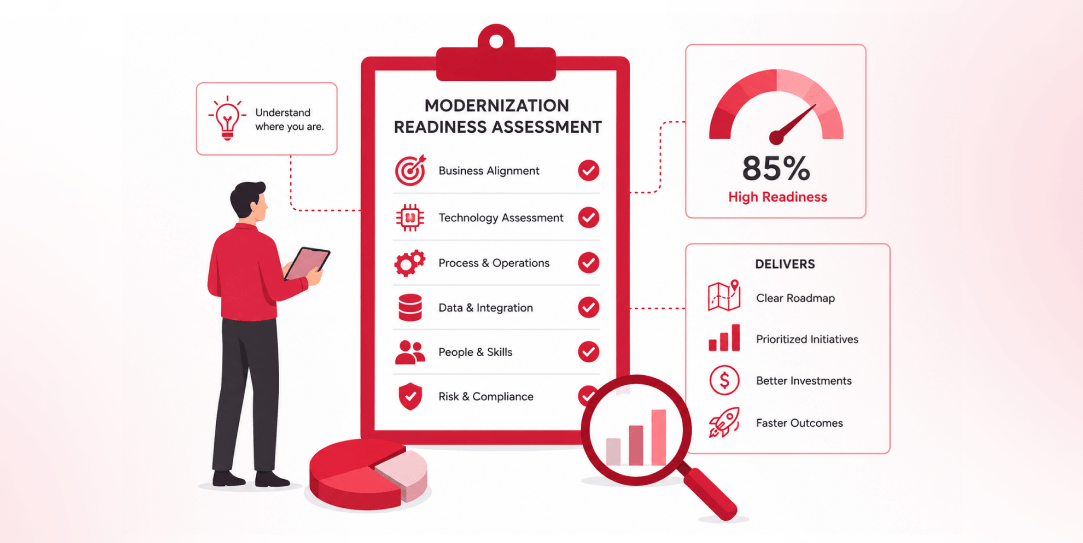
Most “audits” and “assessments” promise clarity but deliver a sales deck with language that lacks clarity. You book the call expecting evidence about your specific platform, and what shows up is a generic pitch for whichever package is easiest for the firm to sell. That’s the actual reason process transparency matters here, not because a […]
 Other
Other
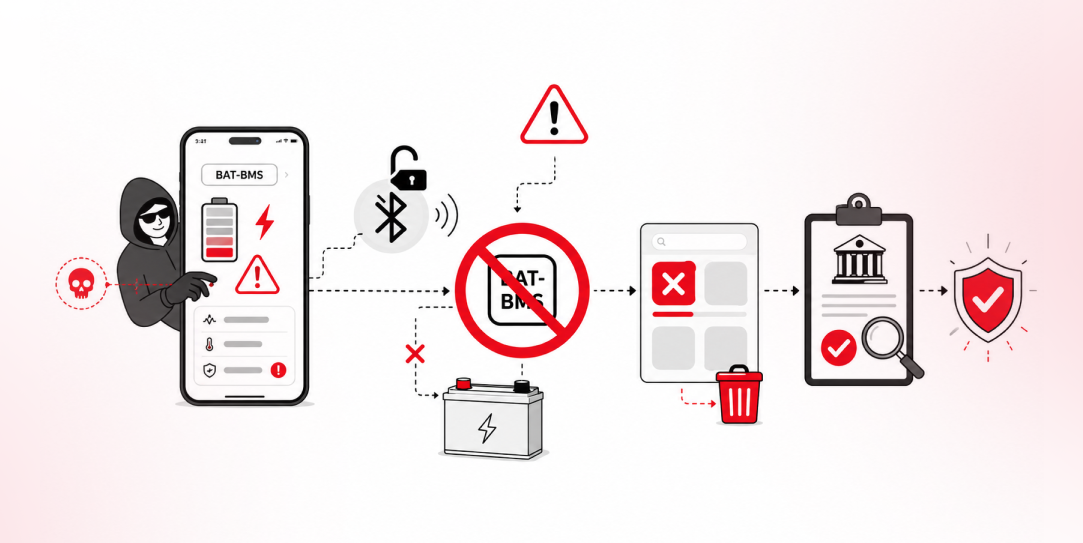
In late June and early July, videos started circulating on Instagram of people walking up to moving e-rickshaws, tapping a phone, and watching the vehicle lose power mid-ride. It spread as a prank trend before anyone fully understood the mechanism. Drivers in Patna (India) reported it first, assuming mechanical failure, until investigators traced it to […]