
Heritage Radio Network
Modernizing a Content-Rich Radio Platform Without Losing Its Editorial Flexibility
Modernizing a Content-Rich Radio Platform Without Losing Its Editorial Flexibility
Heritage Radio Network
Media & Publishing
Drupal Migration · CMS Development · Component-Based Development · Website Development
Drupal 8 · Paragraphs · React · Node.js · Knapsack Cloud · Vagrant · Pantheon
The organization also wanted stronger backend capabilities and a component-based approach that would allow editors to build pages using reusable content components. The implementation had to work within a React and Node.js-based component environment rather than relying on conventional Drupal theming.

Content types and Paragraphs were introduced to provide the structure needed for the component-based experience while preserving Drupal’s strengths as a content-rich CMS.
Content Architecture
Component Collaboration
Structured Content
React-Based Rendering
Environment Deployment

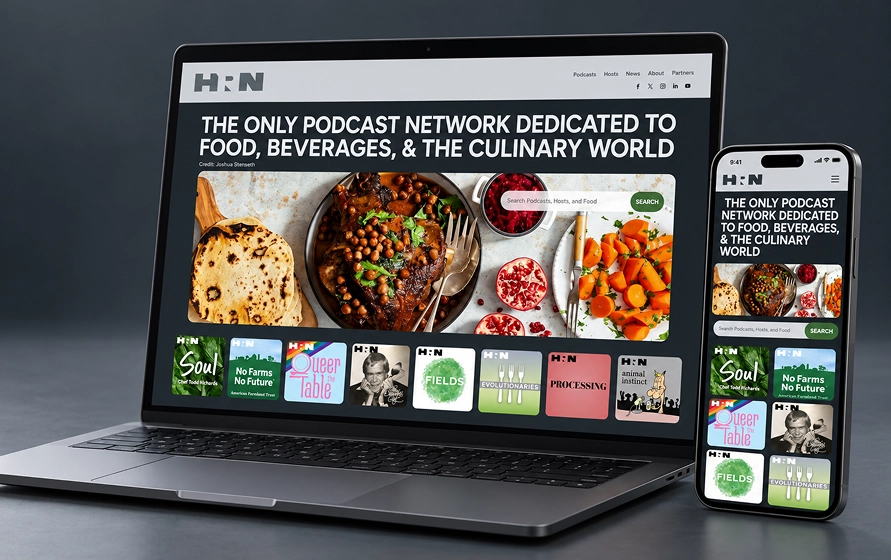


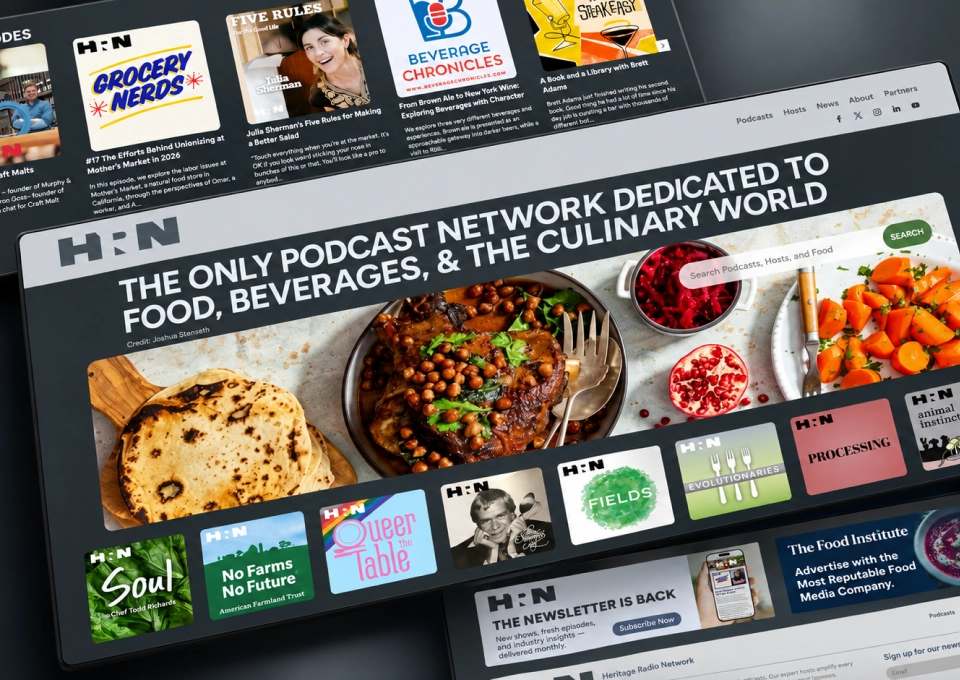
Drupal was selected because Heritage Radio Network’s website was highly content-driven. The implementation combined Drupal’s content-management capabilities with an external component system to support the desired editorial experience.
We have created the sitemap and established the required content and page structure.
We have worked with the Knapsack team to define and build the required reusable components.
We have moved the existing Drupal content structure into the new Drupal 8 implementation.
We have configured the development environment with Vagrant and deployed the container to Pantheon.
The migration gave Heritage Radio Network a Drupal 8 foundation designed around reusable components and structured content while preserving its role as a content-rich media platform.
Reusable components provide editors with more flexibility when creating pages.
Content types and Paragraphs support a more organized editorial architecture.
The platform moved from Drupal 7 to Drupal 8.
The website could work with the required React, Node.js, and Knapsack component environment.
“The new foundation gives ACG greater control over how its global digital ecosystem evolves.”
Global pharmaceutical manufacturing

Is your content platform holding your editorial team back?
Start a Conversation