Understand
Review business goals, current systems, users, and functionality.

We use PHP techstack when a digital experience needs server-side functionality, database-driven features, or custom logic within an existing or new web platform.
Build websites that respond to user actions and display relevant, database-driven content.
Develop browser-based applications around data, user needs, and operational workflows.
PHP supports established content management systems and custom functionality built around publishing needs.
Build or extend backend workflows for products, orders, customers, and payment processes.
Improve older applications and connect them with modern tools while accounting for existing business requirements.
PHP supports the backend functionality that makes websites and applications interactive, connected, and useful.

Build websites with database-driven content, interactive features, and dynamic user experiences.
Develop tailored functionality around business workflows, operational needs, and user requirements.
Connect websites and applications with external systems for seamless data exchange.
Extend content platforms with custom features, flexible layouts, and streamlined publishing workflows.
Build functionality around structured data, user interactions, and efficient information management.
Support product catalogues, order management, payment processing, and customer workflows.
Refine existing code, address technical limitations, and improve application performance.
Maintain and extend applications as business requirements, technologies, and user needs evolve.
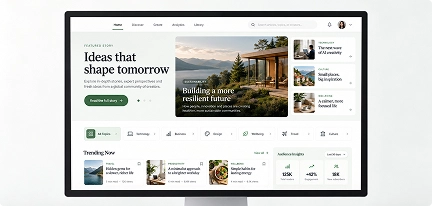
Deliver dynamic content and custom functionality for business needs.

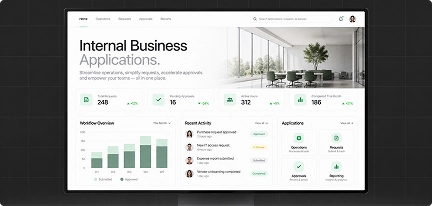
Provide secure access to information, accounts, and workflows.
Support publishing, structured content, and custom editorial features.
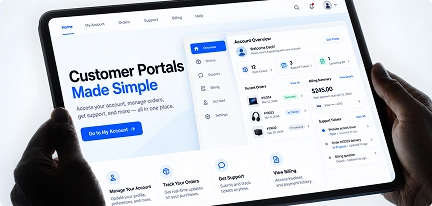
Connect product experiences with order, payment, and customer functionality.
Build practical tools around data management and repetitive processes.
 Laravel / Symfony
 Drupal / WordPress
 MySQL / PostgreSQL
 React / Vue
 REST APIs
 Redis / queues
 Cloud and web servers
We identify your techstack requirements first, choose an appropriate implementation approach, and validate the functionality and integrations the application depends on.
Review business goals, current systems, users, and functionality.
Define the architecture, data structures, and integration requirements.
Build the application features and backend functionality.
Check functionality, compatibility, security, and critical workflows.
Deploy the solution and improve it as business needs change.
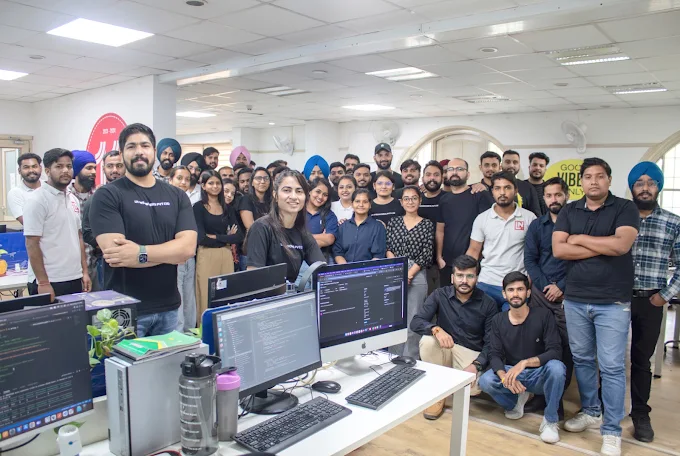
We customize where it matters.The implementation reflects actual requirements instead of adding unnecessary complexity.
We consider the wider stack. Databases, frontend interfaces, APIs, and hosting are considered alongside PHP.
We respect existing systems.Modernization plans account for current functionality and business continuity.
We prioritize maintainability.Clear structure helps applications remain manageable as they evolve
“LN Webworks provided reliable and flexible web maintenance and Drupal support throughout our long-term engagement. Their team was always willing to adjust their approach when something wasn’t working, going above and beyond to meet expectations. They were open to feedback, quick to resolve concerns, and maintained strong communication through email and virtual meetings. Their adaptability and collaborative mindset truly set them apart.”

VP of Web, Hawke Media
“LN Webworks transformed our telehealth service by building a custom Drupal platform that significantly improved accessibility and patient engagement. Their collaborative approach ensured smooth implementation, and the resulting platform—complete with a rich library of health resources—has been a major success and has greatly improved our operational efficiency.”

CEO, Marengo
“LN Webworks genuinely cares about our satisfaction. Whenever something isn’t right, they address it quickly and work through challenges with a problem-solving mindset. Their customer-oriented approach and smooth workflow have made them a reliable long-term partner for our website.”

CEO, Atollon
“LN Webworks is truly an expert team. They demonstrated deep knowledge of Drupal, were flexible and quick to respond, and maintained a high level of customer care throughout the project. The new SEO-friendly site and tailored e-commerce forms have directly contributed to improved visibility and a higher conversion rate.”

CEO, VisaGate
PHP is a server-side programming language used for websites, web applications, APIs, and dynamic functionality.
Yes. PHP can power applications with custom workflows, data handling, authentication, and integrations.
Yes. Platforms such as Drupal and WordPress use PHP and can be extended to meet specific requirements.
Yes. APIs and integration logic can connect PHP applications with suitable external platforms.
Yes. Work may include code improvements, feature development, integration updates, and modernization.
PHP is a programming language, while Laravel is a framework built with PHP that provides conventions and tools for application development.

Tell us about your project, and let's explore how PHP can support your application, integrations, and evolving business needs.
Discuss Your Project