How to Leverage Staff Augmentation to Scale Your Software Development Team

Deepak
·
05 Nov, 2026
Almost every business now runs on software, and the ability to scale your development team quickly can decide how well you compete. Building an in-house team often means long hiring cycles, high costs and a shortage of specialized skills. Staff augmentation for software development, also called software development team augmentation, offers a faster route: you bring skilled professionals into your team for as long as you need them, without hiring them full time.
Augmented staff work alongside your current team to add capacity and finish projects faster. This approach also reduces costs such as salaries and benefits for permanent hires. Startups can access skilled talent affordably, and larger companies can handle several projects at once. This guide explains how staff augmentation works and how to use it to scale your team, step by step.
Staff augmentation, often called team augmentation, is a way for a company to bring in external professionals for the short or long term. The people you add can be developers, QA engineers, DevOps specialists, designers or other IT experts, depending on what your project needs. They join your team, follow your processes, use your tools and report to your managers.
It is often confused with outsourcing, but the two work differently. In traditional outsourcing, you hand an entire project to another company, which manages the work and is responsible for delivering it. With staff augmentation, you stay in charge: you set priorities, review the work and guide the people you bring in. Many companies use both, depending on the project.
Staff augmentation works especially well when:
Companies are choosing staff augmentation because it is a faster and more flexible alternative to permanent hiring. Its main benefits are:
Permanent hiring involves sourcing, several interview rounds, offers and notice periods. With staff augmentation, your partner already has a pool of vetted professionals, so you skip much of the long recruitment cycle and can bring people on board quickly.
IT staff augmentation services help you find experts who cover the specific gaps in your current team, such as cloud, mobile, security or a particular framework, without searching for scarce talent on your own.
Traditional hiring comes with recruitment, training, benefits and infrastructure costs. Staff augmentation reduces many of these, and you pay for the capacity you need, when you need it. For very long engagements, compare the total cost with a full-time hire.
Adding skilled people to the team speeds up delivery, as long as they are onboarded well and the work is clearly defined. You can also scale the team down once the project is complete.
Staff augmentation delivers the most value when you approach it with a clear plan. Follow these steps.
Before adding outside staff, assess what your team can and cannot do. Look at strengths, weaknesses, workload and the areas that need support. Once you know the gaps, you can decide what kind of talent to bring in, including the skills, experience level and number of people you need.
Be clear about your goals, tasks and deadlines. This helps you decide whether you need help for a short period or a longer one, and it avoids confusion when you start looking for the right people. Write down deliverables and milestones so everyone knows what success looks like.

Every staff augmentation company is different. Choose one with a good reputation and a wide pool of skilled professionals. Before you decide, ask:
Look for a trusted partner such as LN Webworks that can help you find the right people quickly.
Once you have chosen a partner, focus on candidates who fit your project. Review resumes carefully and interview them yourself. Evaluate technical skills as well as soft skills such as communication, ownership and teamwork, which matter a lot for remote collaboration.
Make the first days easy for new team members so they can contribute from the start:
Make sure your existing team and the augmented staff work well together. Use tools such as Jira and Slack to stay organized and connected. Hold regular meetings, agree on overlapping working hours if people are in different time zones, and document decisions so knowledge does not sit with one person.
Track how augmented staff perform on code quality, deadlines and teamwork, and check whether they need support. Ongoing feedback keeps everyone aligned with your goals. Before a contract ends, ask for documentation and a proper handover so the knowledge stays with your team.
Staff augmentation is growing, and it is likely to stay useful for many companies. It lets you hire skilled people from anywhere in the world, so you are not limited to the talent in one city. Tools such as AI-assisted candidate screening, collaboration platforms and secure remote access make distributed teams easier to build and manage. As remote work becomes standard, strong communication, clear processes and good security practices will matter more than ever.
At LN Webworks, we understand how much the right team matters for business growth. We match you with skilled IT professionals who fit your needs, whether you need a single developer or a full team, so your project moves forward smoothly. Learn more about our staff augmentation services.
A skilled software team is the backbone of a successful business, and staff augmentation helps you strengthen it with the right talent. You can hire for the short or long term, with full flexibility over communication and remote work. With a trusted partner such as LN Webworks, you can speed up development and deliver better results.

 Other, SaaS Development
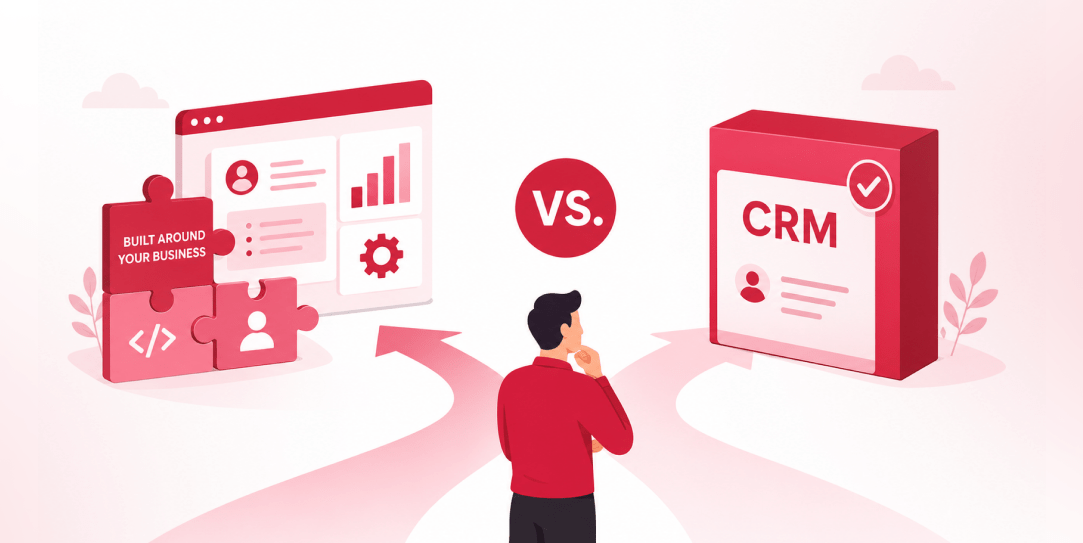
SaaS CRMs win on speed. Custom wins on fit and ownership. This isn’t a pitch for either one. Every early-stage SaaS company hits this decision within the first year, usually right after the founder realizes a spreadsheet isn’t a CRM. The default answer is almost always a SaaS CRM: HubSpot, Salesforce, Zoho, sign up in […]
 Other
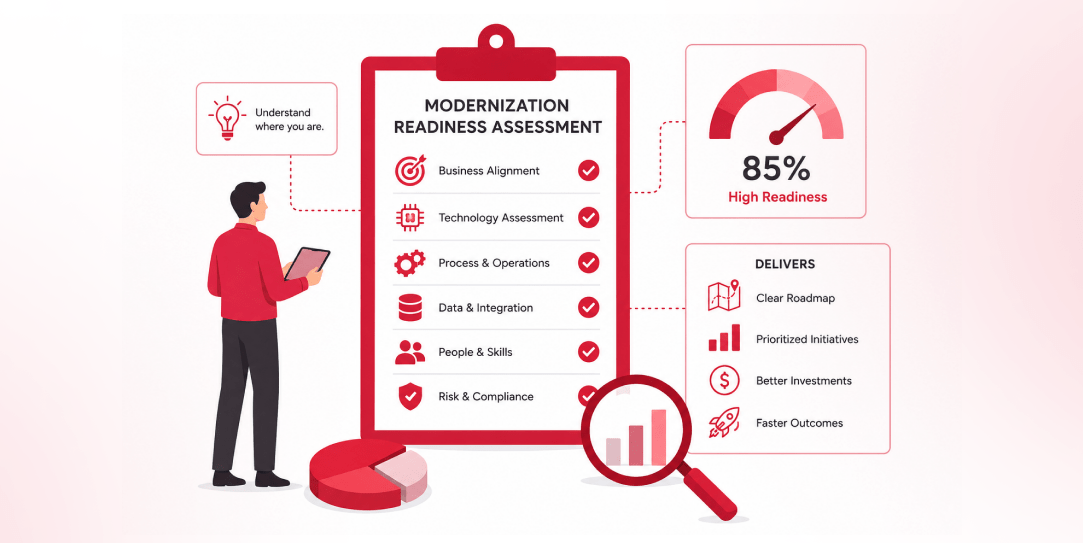
Most “audits” and “assessments” promise clarity but deliver a sales deck with language that lacks clarity. You book the call expecting evidence about your specific platform, and what shows up is a generic pitch for whichever package is easiest for the firm to sell. That’s the actual reason process transparency matters here, not because a […]
 Other
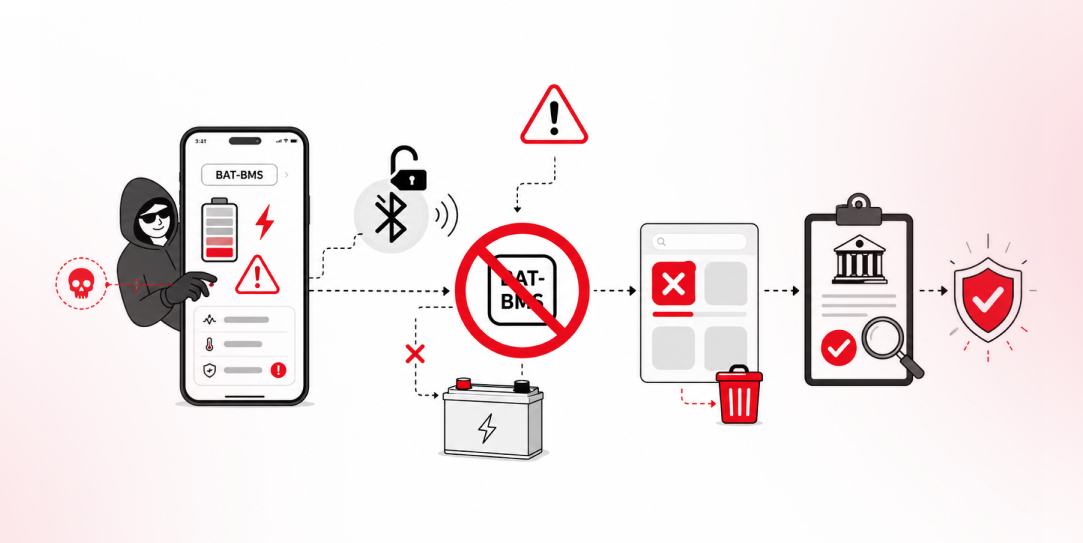
In late June and early July, videos started circulating on Instagram of people walking up to moving e-rickshaws, tapping a phone, and watching the vehicle lose power mid-ride. It spread as a prank trend before anyone fully understood the mechanism. Drivers in Patna (India) reported it first, assuming mechanical failure, until investigators traced it to […]