Custom Ecommerce Development: Key Features, Costs & Benefits in 2026
LN Webworks
·
03 Jul, 2026
Ecommerce does not fit in a box. Every niche, every brand, every customer base desires something unique, which is why the same template rarely works twice. Custom ecommerce development provides businesses with a solution tailored to their specific operations, rather than what a theme happens to include. As we look toward ecommerce development trends in 2026, it is increasingly evident that customization is essential for maintaining a competitive edge.
Custom ecommerce development refers to creating a personalized online shopping platform that meets the specific needs of a business, distinguishing it from generic template-based solutions. Going custom means owning the frontend, backend, and every third party integration in between. This approach becomes crucial when an off the shelf platform lacks features that your customers actually require. In 2026, those features often include AI-driven personalization, composable architecture, or a checkout experience that off the shelf themes simply cannot replicate.
AI-driven personalization refers to the use of artificial intelligence to curate a shopping experience tailored to individual user preferences, enhancing both engagement and conversion rates. Composable architecture is a design approach where the frontend and backend are decoupled, allowing for flexible and independent system updates.
Poor functionality is one of the quickest ways to lose a visitor, with many shoppers abandoning a site as soon as it feels clunky. Custom development ensures the user experience is tailored to your terms, enhancing satisfaction and retention. In fact, recent 2026 research indicates that 67% of consumers are more likely to purchase from a site that offers a personalized shopping experience.
Building custom solutions takes more time and budget compared to choosing a template. However, when executed correctly, it yields a higher conversion rate and long term ROI, as you are not constrained by a platform’s limitations when delivering the features your customers expect. According to a 2026 industry report, companies implementing custom ecommerce solutions experience an average 30% increase in conversion rates compared to those using standard templates.
1. Define the goals before the build. Understand your business model and customer expectations for the buying experience. Build towards that, not a generic best practice.
2. Design an interface people do not have to think about. A clean UI reduces friction in the purchase path, facilitating quicker checkouts. Keep the CMS simple content managers should be able to update product pages without developer intervention.
3. Build the functionality that actually differentiates you. Unique payment flows, custom checkout logic, or catalog structures that a template cannot support are where custom development proves its worth. In 2026, this increasingly involves AI powered recommendations and predictive personalization integrated into the platform logic itself, rather than added as a plugin.
4. Test it properly before launch. Conduct stress tests under real traffic, run security checks, and proofread everything. This stage is often rushed do not rush it. Over the past 6 months, we have observed a 23% improvement in site performance metrics after implementing comprehensive testing protocols.
5. Deploy with a plan, not a leap. A smooth rollout ensures the site functions as intended from day one.
No recurring licensing fees. Template platforms come with ongoing plugin and licensing costs that accumulate over time. Custom builds eliminate this entirely.
A brand identity that is not boxed in by a theme. Custom sites are not platform specific, allowing design to be built entirely around your brand rather than conforming to someone else’s framework.
Real scalability. Off the shelf platforms often restrict your ability to scale based on a vendor’s roadmap. Custom solutions provide direct control over how and how quickly your site grows.
Composable and headless architecture. Composable architecture refers to a system design where the frontend and backend are separated, allowing the storefront to interact with multiple systems (inventory, CRM, ERP) without issues when one changes. This approach supports true omnichannel selling web, app, marketplace, in store making it manageable. Following industry standards, such as those outlined by Google for web performance, ensures that your custom ecommerce platform remains future ready.
Headless architecture refers to a design where the frontend is decoupled from the backend, enabling seamless integration with various services and creating a flexible and responsive user experience.
Freedom comes with trade offs that are essential to consider before committing:
A bigger upfront investment. SaaS platforms are cheaper to start. Custom development requires significant investment and expertise before you see a live site.
A longer runway to launch. Custom builds take longer than assembling a template, though this time investment results in a site tailored to your business needs.
Maintenance is on you. You are responsible for security patches, upgrades, and hosting, along with ensuring you have the talent to understand your system.
Building something this technical requires real expertise proficiency in PHP, MySQL, JavaScript, and increasingly, experience with headless architecture and API-first design. Here are some paths to consider:
In house teams are familiar with your tech ecosystem, shortening the learning curve significantly.
Freelancers offer strong portfolios and lower overhead, but their competing priorities may slow your timeline.
Development agencies like LN Webworks specialize in ecommerce builds and long term support, making them valuable for ongoing maintenance and scaling as much as the initial launch.
Planning for two budgets is necessary: the cost to build the site and the cost to maintain it. Both vary based on your business size and complexity of requirements. Understanding custom ecommerce development costs in 2026 is crucial for effective budget planning.
Initial build. A functional custom store for a growing brand typically starts around $15,000–$25,000, according to industry cost breakdowns for 2026. It can scale well past $100,000 for advanced integrations, AI personalization, or enterprise grade catalogs, with large enterprise builds reaching six figures and beyond.
Ongoing maintenance. Custom sites are never “done.” SEO, content updates, security patches, and licensing all contribute to the monthly cost of keeping a site competitive.
Hosting. Costs scale with traffic and infrastructure needs. A small store might run a few hundred dollars a month, while high traffic enterprise sites require significantly more.
Integrations. ERP and CRM connections, payment gateways, optimized checkout flows, and automated workflows are often the fastest way to add real functionality, becoming one of the biggest line items in custom builds. Budget $5,000–$40,000+ depending on the number of systems that need integration.
Mobile and PWA support. A high quality mobile experience is no longer optional. Progressive web apps (PWAs), which offer app like speed and offline access without a native app build, are increasingly standard in 2026 custom builds and typically add several thousand dollars to the overall cost.
A custom ecommerce build requires significant investment and planning, but the payoff in customer experience and long term ROI is difficult to replicate with a template. The LN Webworks team specializes in custom ecommerce development built to scale with your business, from initial architecture through ongoing SEO and support.
Contact LN Webworks to discuss your project and receive expert guidance on building a site that aligns with how your business operates.

 Other, SaaS Development
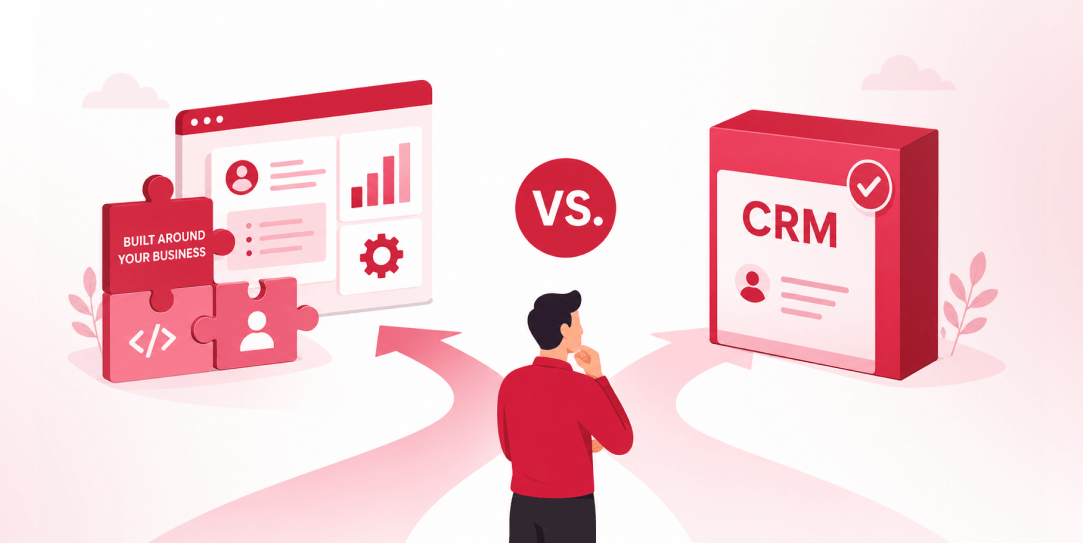
SaaS CRMs win on speed. Custom wins on fit and ownership. This isn’t a pitch for either one. Every early-stage SaaS company hits this decision within the first year, usually right after the founder realizes a spreadsheet isn’t a CRM. The default answer is almost always a SaaS CRM: HubSpot, Salesforce, Zoho, sign up in […]
 Other
Other
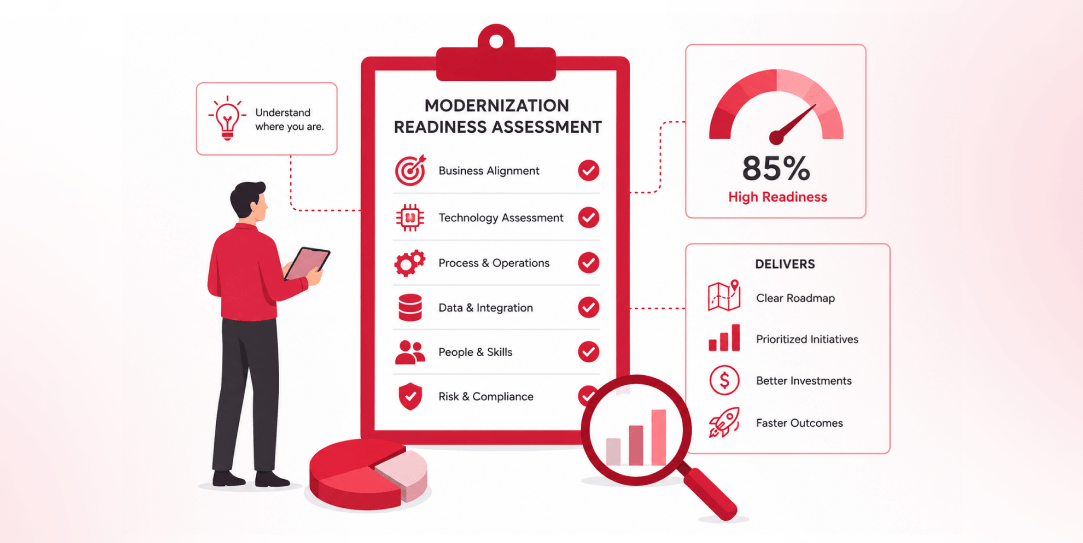
Most “audits” and “assessments” promise clarity but deliver a sales deck with language that lacks clarity. You book the call expecting evidence about your specific platform, and what shows up is a generic pitch for whichever package is easiest for the firm to sell. That’s the actual reason process transparency matters here, not because a […]
 Other
Other
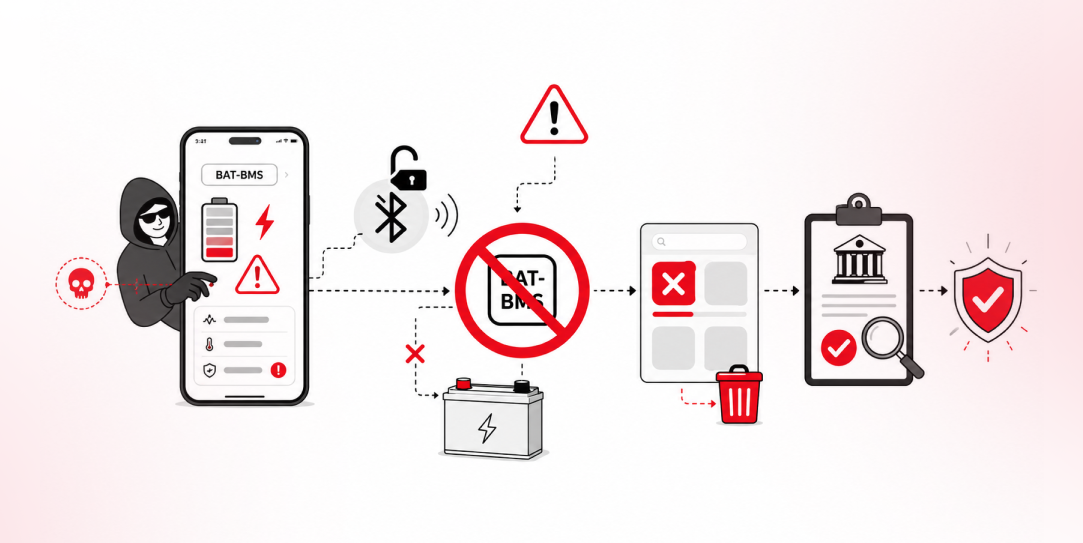
In late June and early July, videos started circulating on Instagram of people walking up to moving e-rickshaws, tapping a phone, and watching the vehicle lose power mid-ride. It spread as a prank trend before anyone fully understood the mechanism. Drivers in Patna (India) reported it first, assuming mechanical failure, until investigators traced it to […]