Top 8 API Integration Tools in 2024
LN Webworks
·
17 Sep, 2025
We are in the middle of 2024 and already introduced to AI but there is much more to know about AI digital development. Here comes the term API (Application programming interface) . It works as a source of improvement and creativity. Let’s explore what API means and how API integration helps businesses in many ways.
API helps apps bring together and communicate to perform efficiently. They are beneficial in bringing apps together to perform functions by sharing data and performing definite processes. Looks simple and interesting right? Let’s drop into the digital transformation with the help of different tools that can help you with the application programming interface.
API (Application programming interface) is used to connect multiple software programs. API can help in exact information and quality sharing, it is recommended that all businesses must integrate APIs that connect their applications and systems to other applications.
API holds a lot of importance especially when it comes to saving costs. While improving productivity and mobility API can help you in saving prices.
API (Application programming interface) integration tools are known for speed and organization. They can help you provide knowledge and let you gain experience in creating these platforms.They hold importance when saving time and money and creating tools from scratch.
Platforms for API integration work as essential links, and ease communication between many components such as files, CRM, legacy, and central systems, payment, pipelines, SaaS apps, and security tools. They make connections possible, expedite processes, compile information and company logic, and provide you with more command over many systems.
Other benefits of using API integration tools:
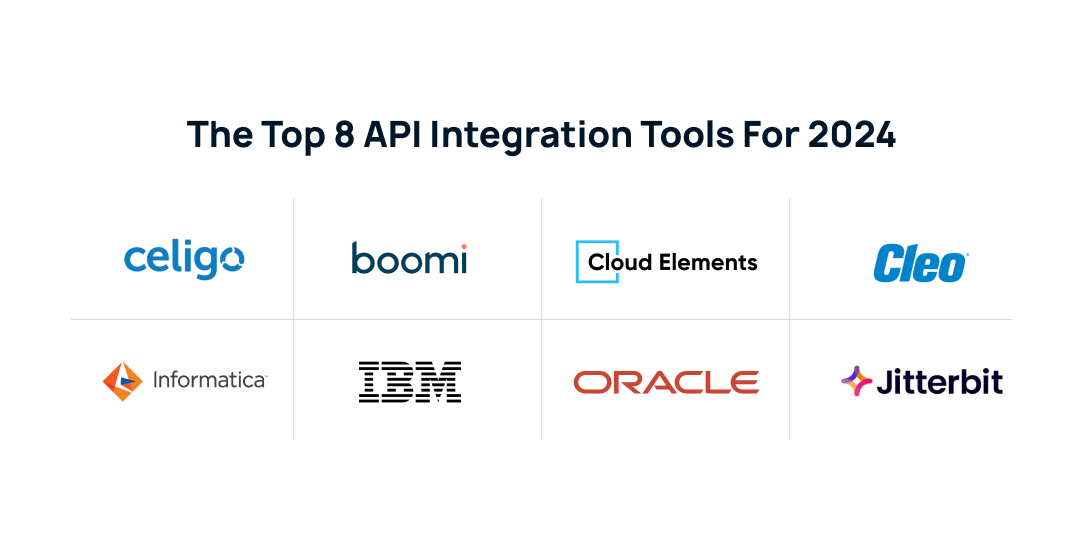
Integrator.io is the name of the integration platform as an online service that Celigo provides. The application also allows users to build their library of independent, reusable integration flows by providing prepared integration templates that are offered on the marketplace.
Boomi is a prominent supplier within the automation and networking domain. AtomShere, the flagship product of boomi, facilitates the integration procedures between on-premises systems, cloud platforms, and software-as-a-service apps.
Elements is a product from Cloud Elements that integrates API and has pre-built connectors. Regardless of an application’s backend, Cloud Elements was created to improve the overall developer experience.
Using a range of connectors and APIs, enterprises may connect to SaaS and business apps through the Cleo integration cloud. The tool may be deployed in multiple ways and automatically accepts, transforms, and integrates all B2B kinds of data from any source to any destination.
For various organizational use cases, Informatica offers both on-premises and cloud deployments of their data integration toolkit. Offering comprehensive flexible integration and governance functionality.
IBM provides a range of unique data integration solutions for almost all organizational use cases, including on-premises and cloud departments. Additionally, IBM offers a range of prebuilt interfaces and services.
Oracle provides a wide range of data integration capabilities for both on-premises and cloud deployment, supporting conventional and contemporary use cases.
jitterbit provides API transformation and cloud data integration services. Jitterbit Harmony, the company’s flagship product, enables enterprises to plan, implement, and oversee the full integration lifecycle.
Your company’s operations can be significantly enhanced by implementing API integration tools. Selecting the appropriate solution will increase productivity, reduce waiting times, and boost the effectiveness of your digital services.
If you’re seeking an agency to guide you through implementing the right strategy, consulting with Team LN experts will help you utilize the right one at the right time.

 Other, SaaS Development
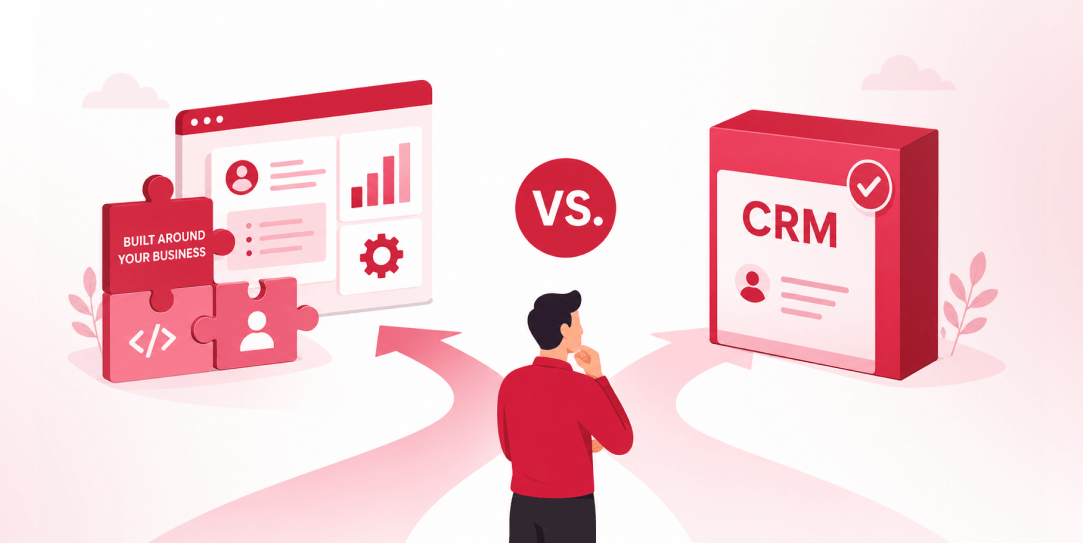
SaaS CRMs win on speed. Custom wins on fit and ownership. This isn’t a pitch for either one. Every early-stage SaaS company hits this decision within the first year, usually right after the founder realizes a spreadsheet isn’t a CRM. The default answer is almost always a SaaS CRM: HubSpot, Salesforce, Zoho, sign up in […]
 Other
Other
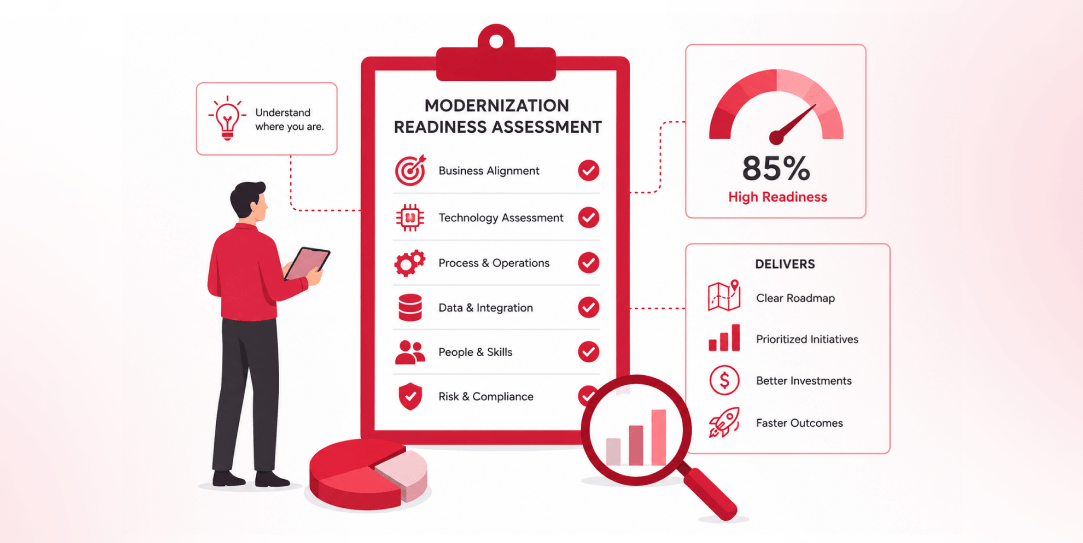
Most “audits” and “assessments” promise clarity but deliver a sales deck with language that lacks clarity. You book the call expecting evidence about your specific platform, and what shows up is a generic pitch for whichever package is easiest for the firm to sell. That’s the actual reason process transparency matters here, not because a […]
 Other
Other
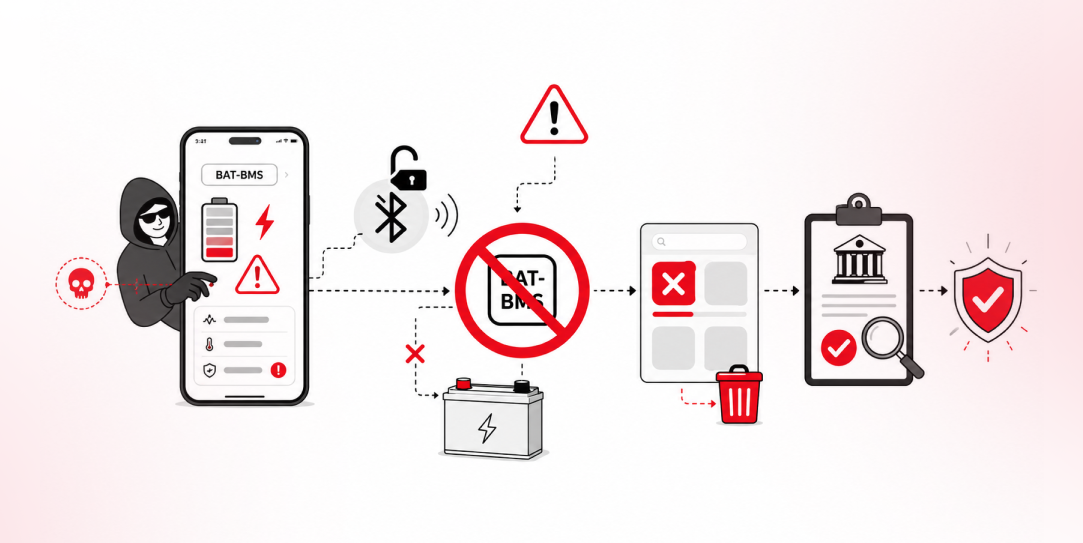
In late June and early July, videos started circulating on Instagram of people walking up to moving e-rickshaws, tapping a phone, and watching the vehicle lose power mid-ride. It spread as a prank trend before anyone fully understood the mechanism. Drivers in Patna (India) reported it first, assuming mechanical failure, until investigators traced it to […]