What Is Full Stack Development? A Complete Guide
Khushboo Arora
·
23 Sep, 2026
Planning to become a tech wizard who can build web applications from scratch? If this is what you are aiming at, you are in the right place.
To learn the concept of website building you need to understand the concept of full-stack development.
As you embark on this exciting full-stack development journey, remember that every expert was once a beginner. So, give yourself some time, stick to this blog post by scrolling to the bottom, and make the process of building web applications, including both the front-end (user interface) and back-end (server-side logic), easy.
Let’s get started and understand full-stack web development in detail!
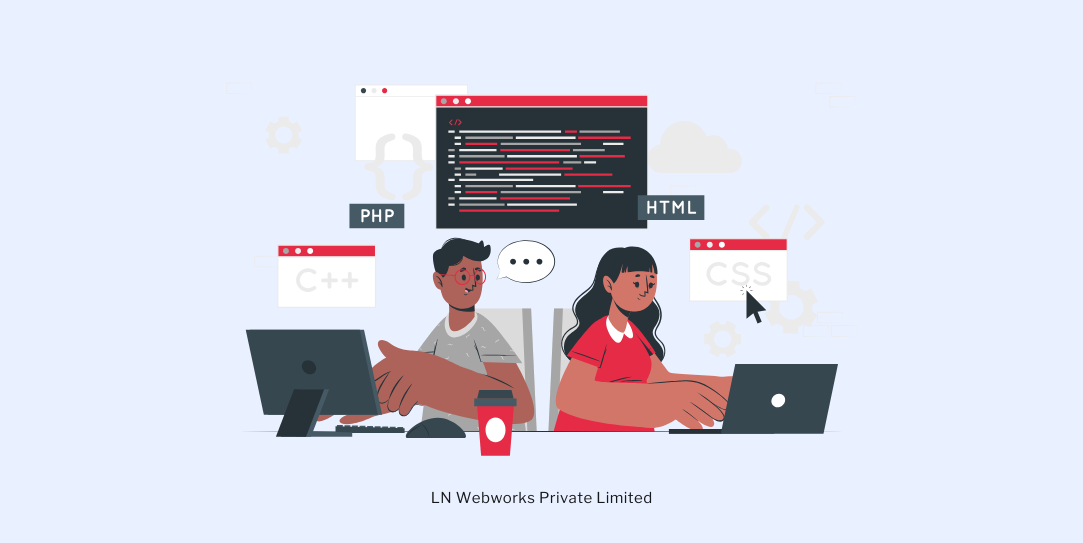
Full stack development is the process of developing both the front-end and back-end of applications. Front-end, or the client side, includes building an easy-to-navigate user interface and ensuring the website functions properly across different web browsers. Some of its primary components include HTML, JavaScript, and CSS.
On the contrary, the back-end, often known as the server side, handles the application workflows that run in the background, such as processing data, communicating with applications, API development, etc. Some of its common languages include Python, Java, PHP, Ruby, etc.
Thus, full-stack development refers to website or web app development projects that require a single full-stack web developer who can handle both the front-end and back-end tasks. They’re the ultimate problem-solvers, bridging the gap between beautiful user interfaces and powerful server logic.
Having said that, full-stack developers include designing, testing, and deploying a website from scratch to end.
Here are some of the advantages that make full-stack development a must for both developers and businesses alike-
Imagine a person who can speak multiple languages—this is what full-stack development feels like. It makes you the master of both worlds, i.e front-end and back-end. See that versatility in action in our breakdown of building a Goibibo-inspired travel app. This versatility provides you with the confidence to handle diverse projects, communicate effectively across different teams, and understand the big picture of software development.
A full-stack developer is hired for all types of projects, eliminating the need for additional developers. The full-stack developers possess all the necessary skill sets, which reduces the need for multiple specialized developers and increases project efficiency and turnaround time.
A full-stack developer is like a tech detective with a toolkit for every scenario. Their in-depth understanding of the system architecture and know-how of numerous coding languages lets them identify any issues or conflicts that other developers might miss. They also can optimize the entire system, not just the components.
Because of complete knowledge of all the full-stack coding, tools, and technologies, full-stack developers can provide you with a well-rounded solution with fewer bugs and higher efficiency.
This comprehensive knowledge fuels creativity to design a more intuitive user interface and create innovative solutions that bridge front-end and back-end flawlessly. These professionals are also skilled in database management and debugging.
A great web application is a result of deploying various technologies, frameworks, and tools while implementing a consistent and logical layout with intuitive navigation. It includes both front-end and back-end development.
Whether it’s building dynamic and interactive user interfaces, leveraging robust features, or embracing simplicity and flexibility, full-stack web developers are well-versed in a wide range of tools.
Let’s know about these two technologies (front-end and back-end) for full-stack development.
Front-end development focuses on the client-facing side of development. It involves creating interactive and visually appealing user interfaces. This process includes everything from designing to how users navigate the website.
This fundamental structure of the website is created using languages that improve the structure, style, and overall visual appeal of the web pages. Here are some of the languages that are used for front-end development-
Back-end development can be defined as ‘behind the scene’ magic that powers web applications. It maintains the exchange of information between the front-end and server running the webpage, which users don’t directly see but is essential for the functionality of the platform.
It optimizes data processing for faster load times and ensures a seamless user experience even when there is high traffic on the site.
The primary objective of back-end developers is to control what the clients can see and ensure visitors can easily find what they need and have a positive interaction with your site. The developer does this by ensuring that the server is up and running, plus all the other components of the server are functioning properly.
Furthermore, back-end development involves efficient storage and retrieval of vast amounts of information.
Here are some of the languages that are used for back-end development-
Full-stack frameworks provide developers with a comprehensive set of tools and libraries to handle both front-end and back-end development seamlessly. Alongside your framework choice, your version control platform matters just as much — see our breakdown of GitHub vs GitLab for scalable DevOps. Using these frameworks, developers can minimize the time taken to design new applications.
These frameworks offer a reusable set of components such as libraries, compilers, debuggers, and APIs, supporting software security and much more.
Let’s, now learn about the popular frameworks that full-stack web developers use-
Launched in 2005, Ruby on Rails today is one of the most advanced server-side scripting languages. The highlighting part of this framework is that it facilitates both front-end and back-end development.
It is also known for its Convention over Configuration (CoC) and Don’t Repeat Yourself (DRY) principles. This platform comes with all the elements required for creating a website application, such as routing, simplifying database interactions, and promoting clean, maintainable code.
Django provides you with a robust, high-level framework that helps developers build websites quickly. It is a python-based web application framework that is a collection of modules that facilitate the process of website building.
This platform provides everything that a developer requires to stay ahead in their industry. Plus, it handles much of the configuration itself, which enables developers to focus solely on application development.
Spring Boot is an open-source Java framework offered by Spring. It is used to create enterprise Java applications that include web-based and micro-services applications. This platform focuses majorly on simplifying the initial set-up and web development process.
It provides a faster way to run both simple and web-based applications. The primary objective of Spring Boot is to minimize efforts in website development, unit testing, and integration test time.
Laravel is a free, open-source PHP framework with expressive, elegant syntax for building web applications. Its clean and intuitive syntax focuses on making web development tasks faster. It aims to take the pain out of development by easing common tasks used in many web projects.
This platform offers features such as ORM, routing, and authentication, which make web app development and maintenance seamless.
Listed below are the four tech stacks making full-stack development effortless:
Launched in 1995, today, the LAMP stack powers more than 40% of all websites on the internet. The word Lamp stands for Linux, Apache, MySQL, and PHP as together they make this stack. Its Apache server manages the requests and then transfers the dynamic ones to PHP. After that, PHP interacts with databases if required. Then, it sends the HTML output to Apache so that it can be delivered to the user.
MEAN stack uses JavaScript across the entire application and consists of MongoDB, Express.js, Angular, and Node.js. Here is its functionality- angular processes requests through Express.js, gets the data from MongoDB, and returns JSON data to Angular. Subsequently, it responds to the user in the browser.
LEMP stack uses four open-source technologies, which are Linux, Nginx, MySQL, and PHP. The process starts with Nginx managing the HTTP requests and directing them to PHP for further processing. After that, PHP interacts with MySQL and sends the request back through Nginx to the user.
MERN stack is quite similar to MEAN, it just replaces Angular with React. React components trigger API calls to the Express server. Express routes handle these requests, interacting with MongoDB as needed. Data flows back to the React front-end, updating the UI in real-time.
All set to start your full-stack web development journey? Here is how you can make it easy by following these steps:
To make it even more straightforward, you can take the help of a website development company, as with years of experience, they can craft beautiful, functional websites across various industries. Along the way, though, you’ll likely run into some common web development challenges here’s how to tackle them.
Their website development services are exceptional, as most of them offer round-the-clock support and ongoing maintenance to ensure your digital storefront is always open for business.

 Other, SaaS Development
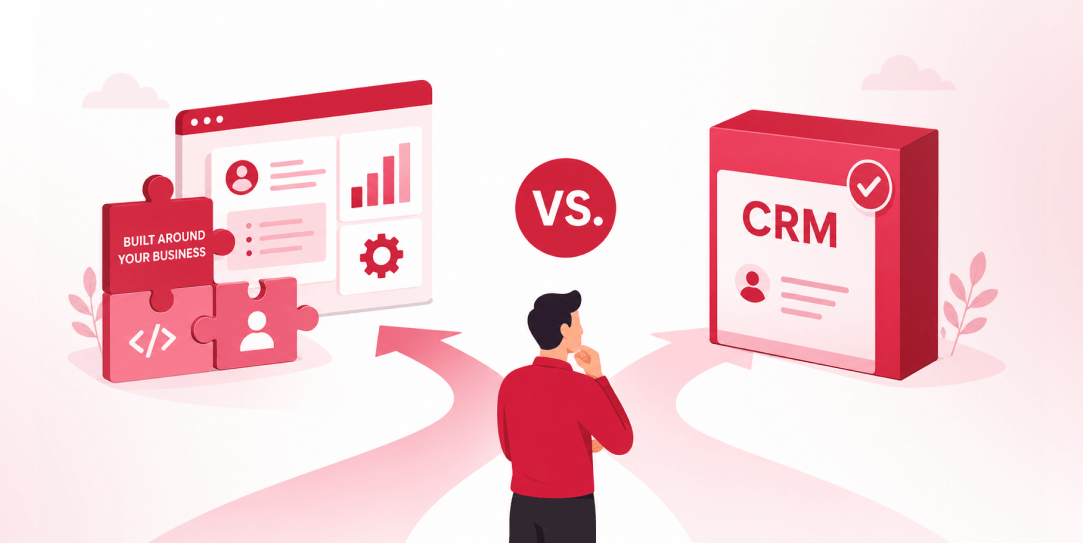
SaaS CRMs win on speed. Custom wins on fit and ownership. This isn’t a pitch for either one. Every early-stage SaaS company hits this decision within the first year, usually right after the founder realizes a spreadsheet isn’t a CRM. The default answer is almost always a SaaS CRM: HubSpot, Salesforce, Zoho, sign up in […]
 Other
Other
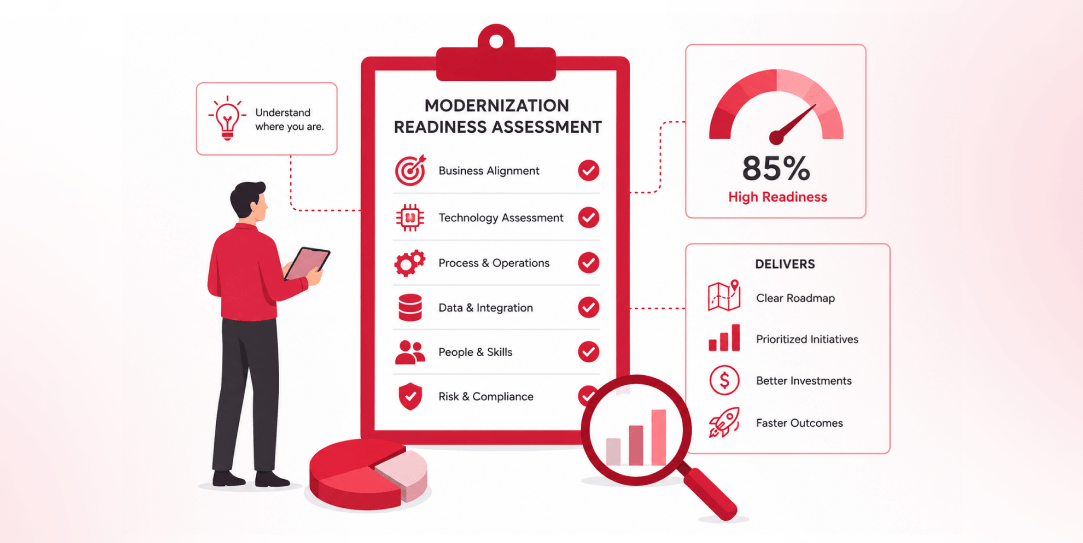
Most “audits” and “assessments” promise clarity but deliver a sales deck with language that lacks clarity. You book the call expecting evidence about your specific platform, and what shows up is a generic pitch for whichever package is easiest for the firm to sell. That’s the actual reason process transparency matters here, not because a […]
 Other
Other
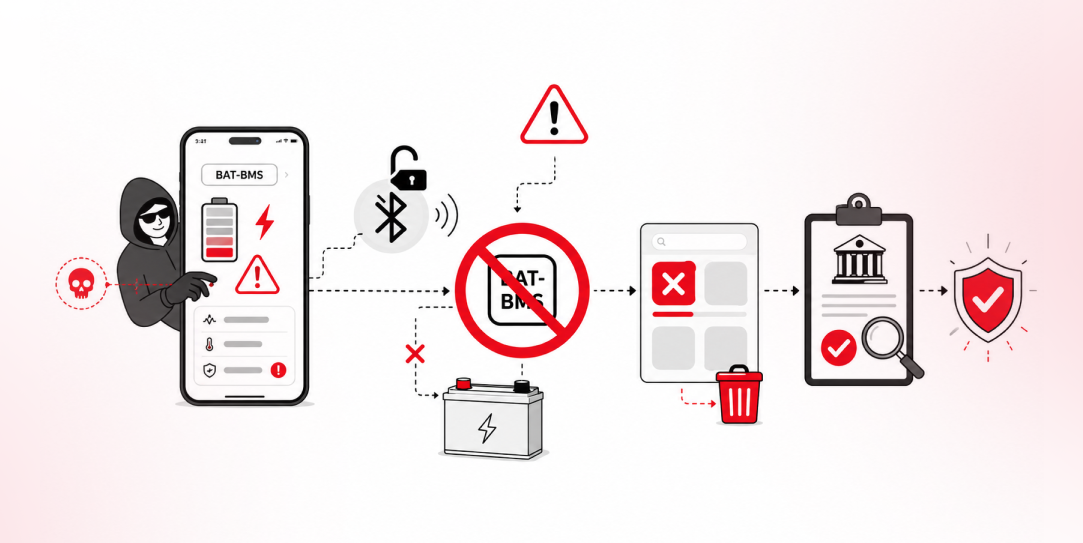
In late June and early July, videos started circulating on Instagram of people walking up to moving e-rickshaws, tapping a phone, and watching the vehicle lose power mid-ride. It spread as a prank trend before anyone fully understood the mechanism. Drivers in Patna (India) reported it first, assuming mechanical failure, until investigators traced it to […]