Top 10 Best Full stack development languages
Khushboo Arora
·
22 Sep, 2025
Dreaming of a high-paying career as a full-stack developer? Mastering front-end and back-end development can skyrocket your earnings potential!
Gaining expertise in full-stack development languages will allow you to pick diverse projects and tasks, from designing user interfaces to optimizing database queries.
A report from the U.S. Bureau of Labor Statistics (BLS) anticipates that the overall employment of web developers and digital designers is projected to grow 8 percent from 2023 to 2033, faster than the average for all occupations. This clearly highlights the ever-increasing roles and responsibilities of full-stack developers in the tech industry.
Therefore, mastering the right languages will definitely help you transform and streamline your workflow and enhance your project’s efficiency.
Without any further ado, let’s understand more about a full-stack developer and the features of some of the best full-stack development languages.
A full-stack developer is a professional who can take care of all aspects of the web development process, including front-end and back-end development. Their tasks include managing databases, building user-facing websites, applications, and APIs, and ensuring seamless interaction between the user interface & the server.
Here are some basic skills required to become a full-stack developer-
Let’s explore some of the best full-stack development languages along with their features-
JavaScript is one of the most widely used languages as it can run directly in web browsers and is versatile for both front-end and back-end development. Developers mainly use it to manage the behaviour and user experience of websites.
JavaScript is one of the fundamental technology of the World Wide Web, that works in affiliation with HTML and CSS.
Features:
Python is an open-source, well-known programming language used for back-end web development. Its comprehensive libraries and frameworks support some of the most famous advanced technologies, such as Data Science, Machine learning, and AI.
Its readability, versatility, and simplicity make it super accessible for newbies and seasoned devs alike. Python uses frameworks like Django, Bottle, and Flask, which help simplify back-end development, making coding faster and more efficient.
Features:
Java is one of the best programming languages, especially when it comes to building full-stack apps. It is a high-level, object-oriented programming language that offers vast libraries and frameworks. Its write-once, run-anywhere philosophy and mature ecosystem make it a perfect fit for building enterprise-level web applications.
Features:
Ruby is a dynamic and expressive full-stack language that simplifies web development tasks and promotes efficient code organization. It focuses majorly on programmer productivity and powerful frameworks, making it ideal for creating all-in-one web applications.
Its clean and human-readable syntax makes it one of the easiest languages to learn, especially for people who are new to programming.
Features
PHP is a server-side scripting language majorly used for developing dynamic and complex websites. It is one of the most widely used languages because of its integration with various well-known content management systems (CMS) like WordPress, Joomla, Drupal, etc.
Features:
This well-known language was developed by Microsoft. C# is one of the most robust and multi-tasking languages, that uses a syntax that’s similar to other C-derived languages, such as C++.
Even after being a recently developed and released language, it has witnessed wide recognition because of its strong integration with the Microsoft ecosystem, including the widely used .NET framework.
Features:
The actual name of this language was GoLang, which is now popularly known as Go. Although this language is not that massive, still, its speed, concurrency, and simplicity are much better than the other well-known languages.
It is a complied language developed by Google, encompassing much of the same functionality as C and C++ but with simpler syntax.
Features:
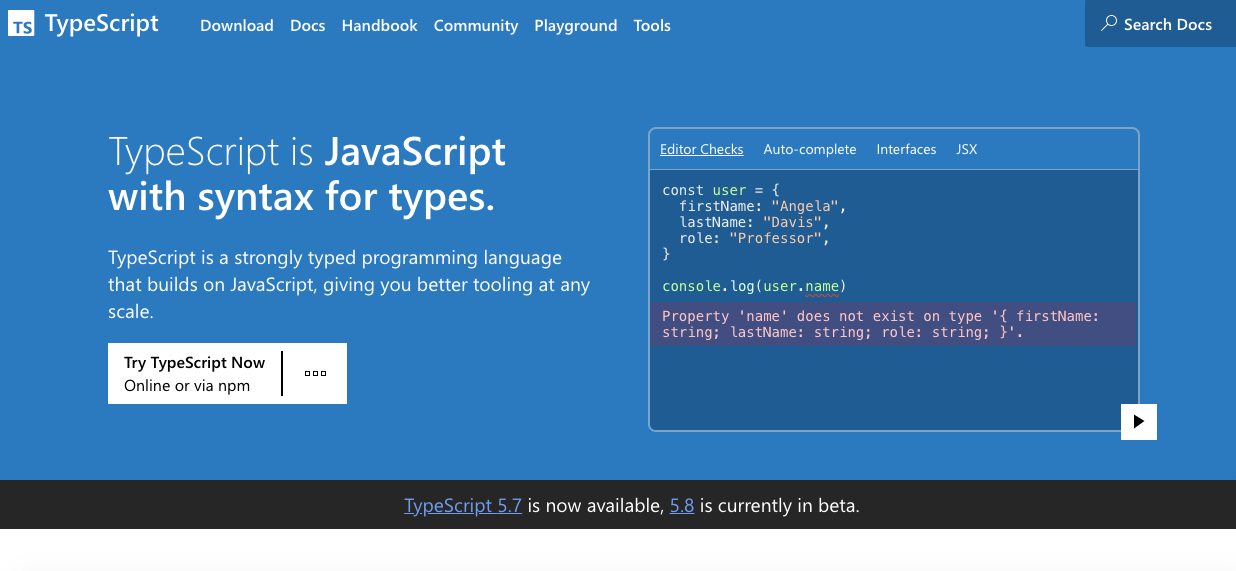
Features:
Kotlin is a modern language for full-stack development. It cuts down on boring boilerplate codes and makes data maintenance easy. JetBrains and Google back this language and focus on developer experience and interoperability with Java. This enables easy operation on the Java Virtual Machine (JVM) without any obstacles.
Features:
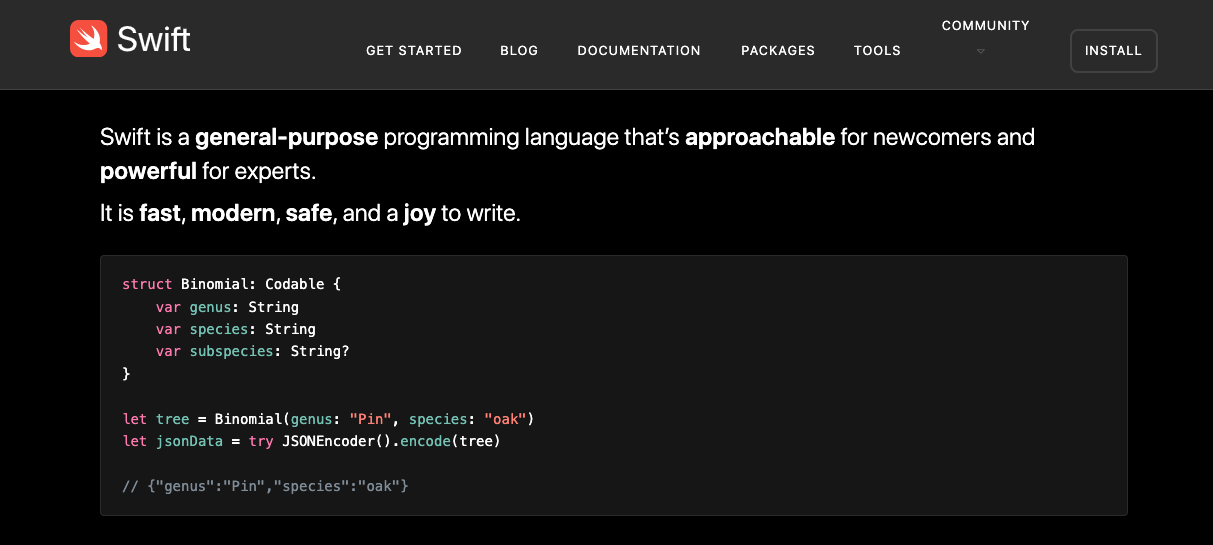
Developed by Apple, Swift was launched to code their products and technologies exclusively. Today, it has become a go-to language for creating modern iOS, iPadOS, macOS, watchOS, and tvOS applications. Its modern design, readable syntax, performance optimization, and safety features make it a favorite among developers.
Features:
Some of the factors to consider while choosing the full-stack development language are:
These are some of the best full-stack development languages you can choose based on your unique business needs, budget, target audience, and the type of software development you want to opt for.
As you dive into these languages, you’ll discover your own preferences and strengths.
Remember, a well-maintained website can significantly improve your search engine rankings! Thus, it is better to opt for a website development company as they not only create digital experiences but also open new revenue streams and ensure your online presence stays fresh and relevant.

 Other, SaaS Development
SaaS CRMs win on speed. Custom wins on fit and ownership. This isn’t a pitch for either one. Every early-stage SaaS company hits this decision within the first year, usually right after the founder realizes a spreadsheet isn’t a CRM. The default answer is almost always a SaaS CRM: HubSpot, Salesforce, Zoho, sign up in […]
 Other
Other
Most “audits” and “assessments” promise clarity but deliver a sales deck with language that lacks clarity. You book the call expecting evidence about your specific platform, and what shows up is a generic pitch for whichever package is easiest for the firm to sell. That’s the actual reason process transparency matters here, not because a […]
 Other
Other
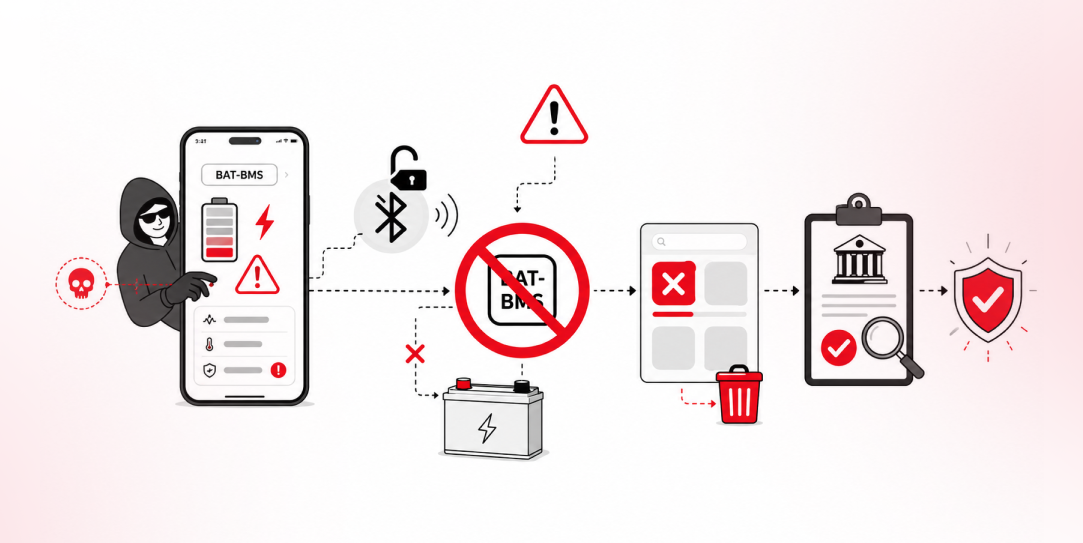
In late June and early July, videos started circulating on Instagram of people walking up to moving e-rickshaws, tapping a phone, and watching the vehicle lose power mid-ride. It spread as a prank trend before anyone fully understood the mechanism. Drivers in Patna (India) reported it first, assuming mechanical failure, until investigators traced it to […]